
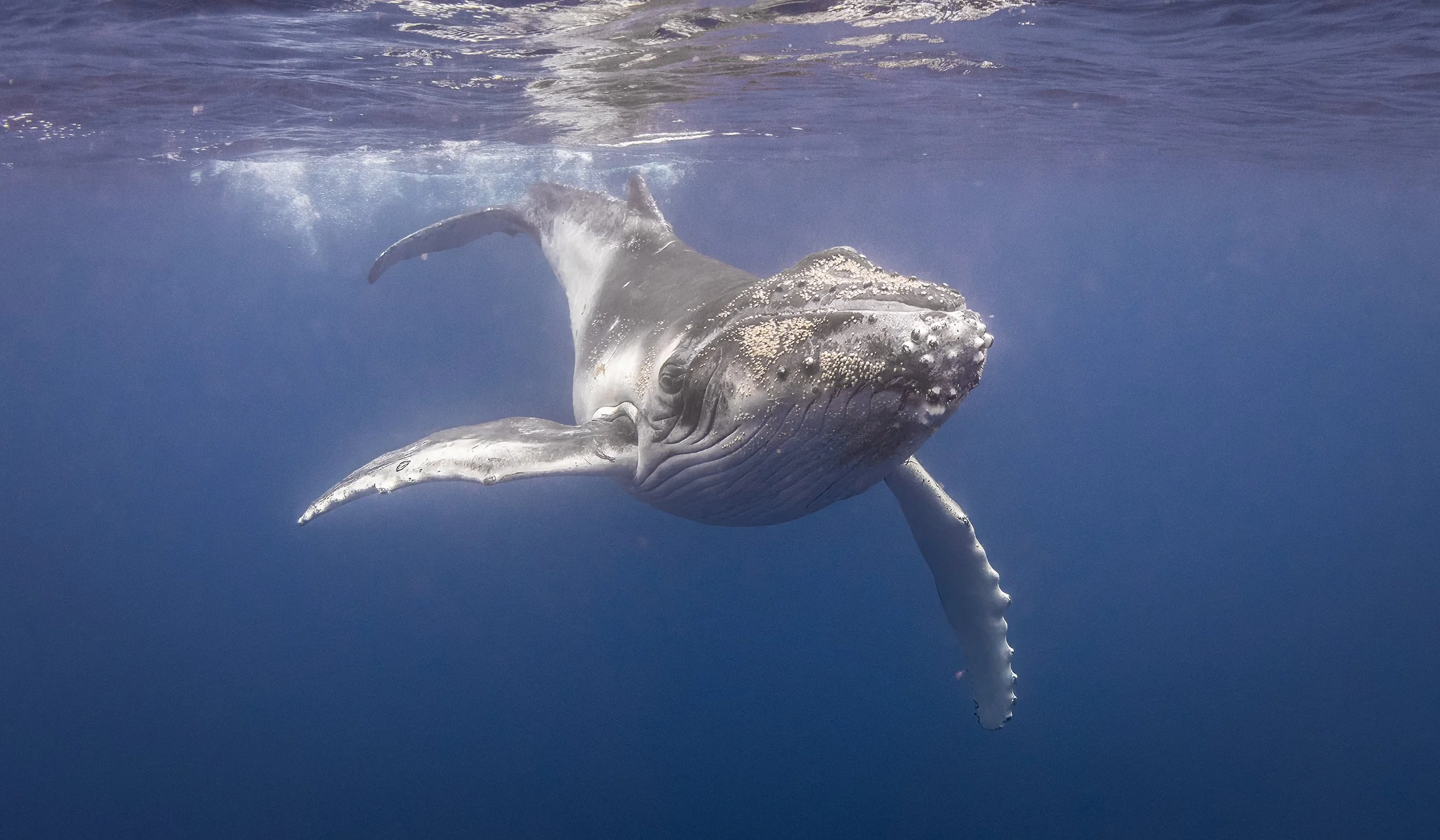
Humpback Whale Calf
It’s a fair question.
And honestly, it’s one I think about all the time.
Because the truth is, most wildlife wants nothing to do with us.
When you’re out there, and if you really paying attention, you see it.
Actually, you will feel it.
Animals move away. They change direction. They disappear.
And if you’re being honest with yourself… you know you were the intrusion.
So where does that leave us?
For me, it comes down to one thing:
How the encounter happens.
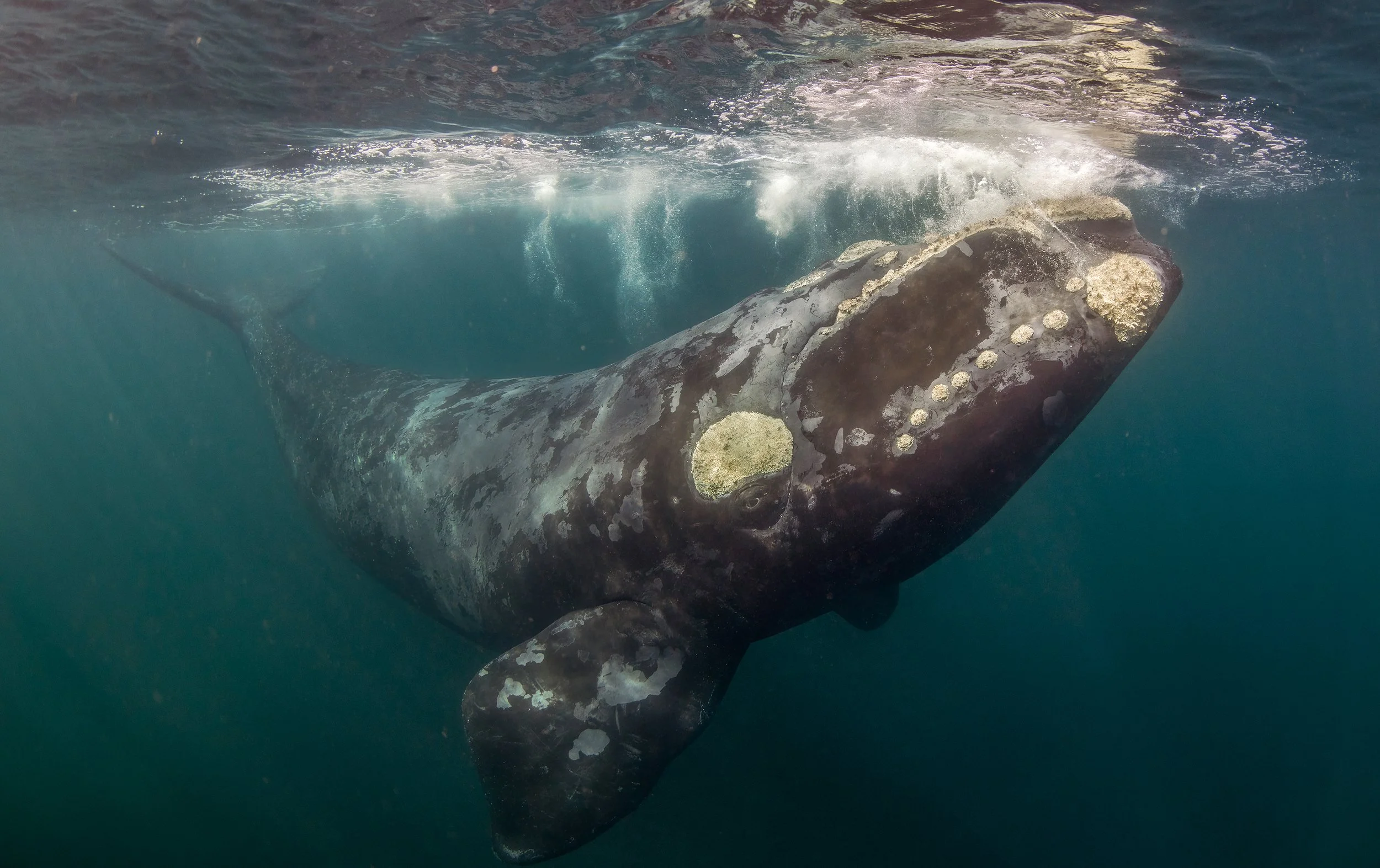
Right Whale. Image captured under permit.
There’s a big difference between:
chasing.. forcing.. manipulating
vs.
waiting.. observing.. letting the animal decide if it wants to approach you.
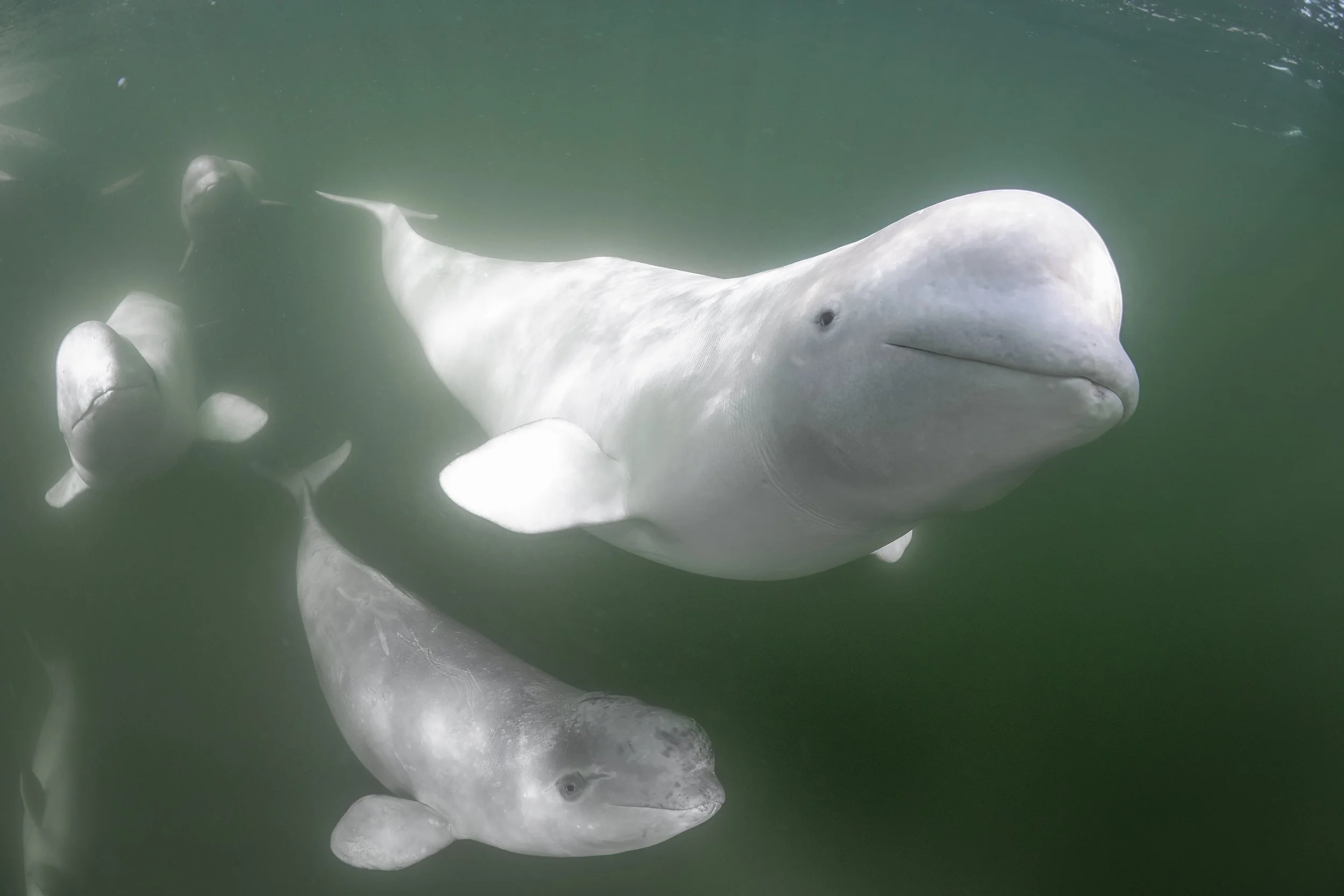
Beluga whale mom and calf
I have experienced both sides.
There are days when the whales don’t want us there.
And you feel it the second you hit the water.
The whale turns and swims off.
Or kicks into another gear and disappears.
Or it just drops straight down and is gone.
You didn’t touch it. You didn’t chase it. You didn’t do anything wrong.
But it still left.
And those moments stay with you.
Not in a good way.
You get back on the boat, and it feels off.
Because you know that the whale didn’t want you there.
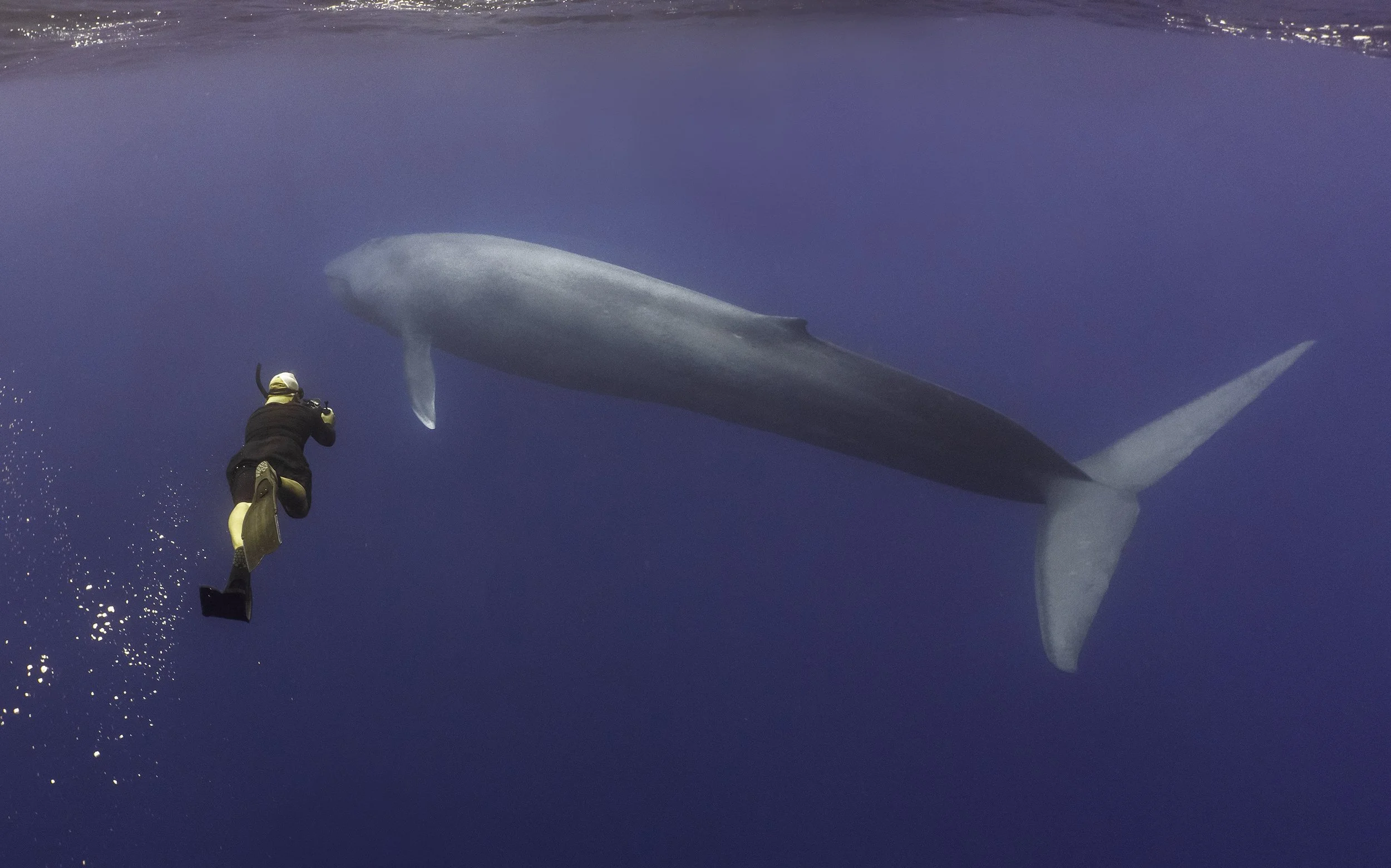
Blue Whale
Those encounters don’t feel good.
They feel heavy.
And honestly, they should.
Because there is always a line we cross as wildlife enthusiasts… and the whale told you no.
And on those days the only right thing to do is listen.
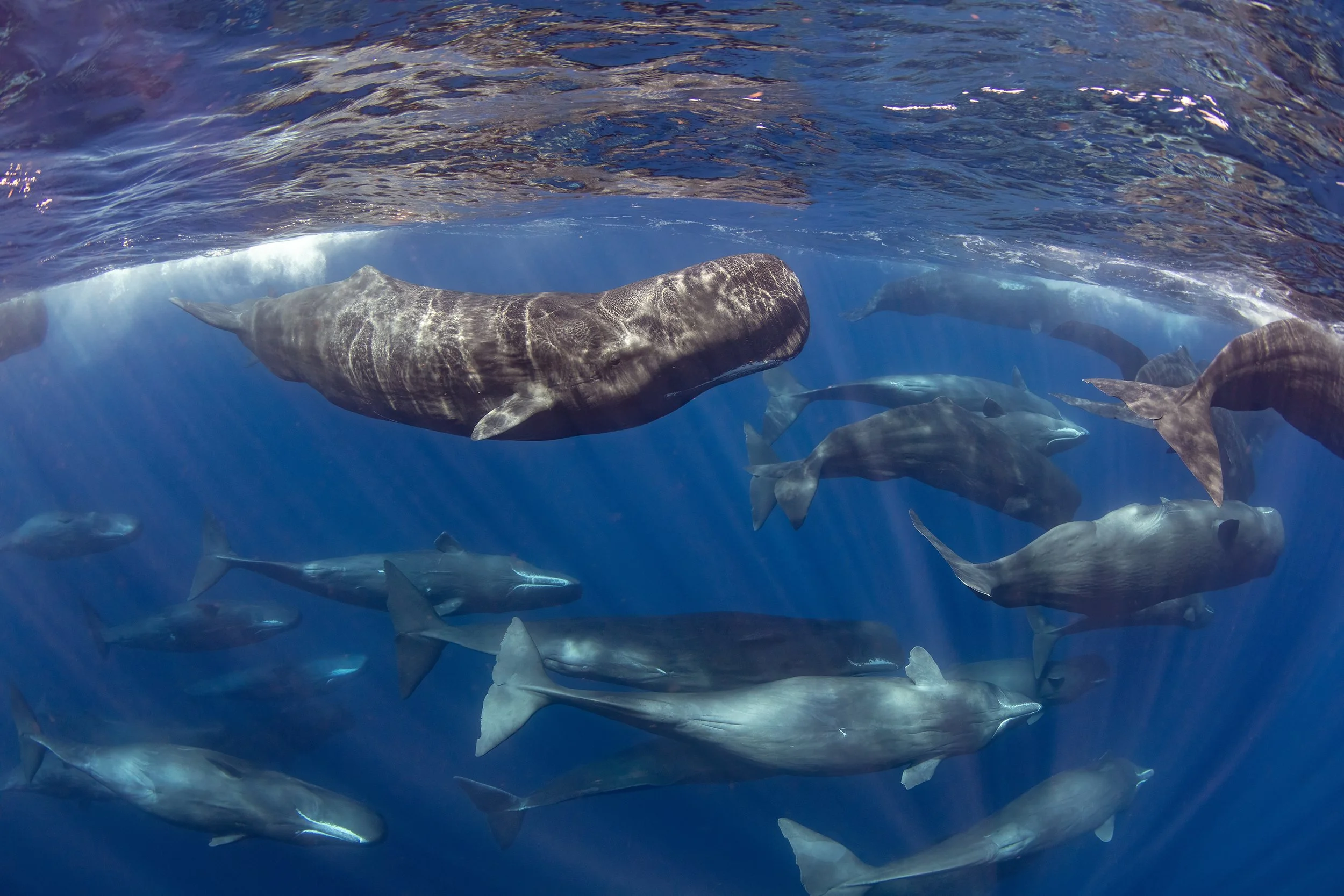
Mating pod of sperm whales. Image captured under permit.
But… there are other days, when you slip into the water, and instead of turning away, the whale approaches.
Not aggressive. Not playful. Just, curious.
It swims past you.
Closer than it needs to be.
Close enough to get a good look.
And then it’s gone.
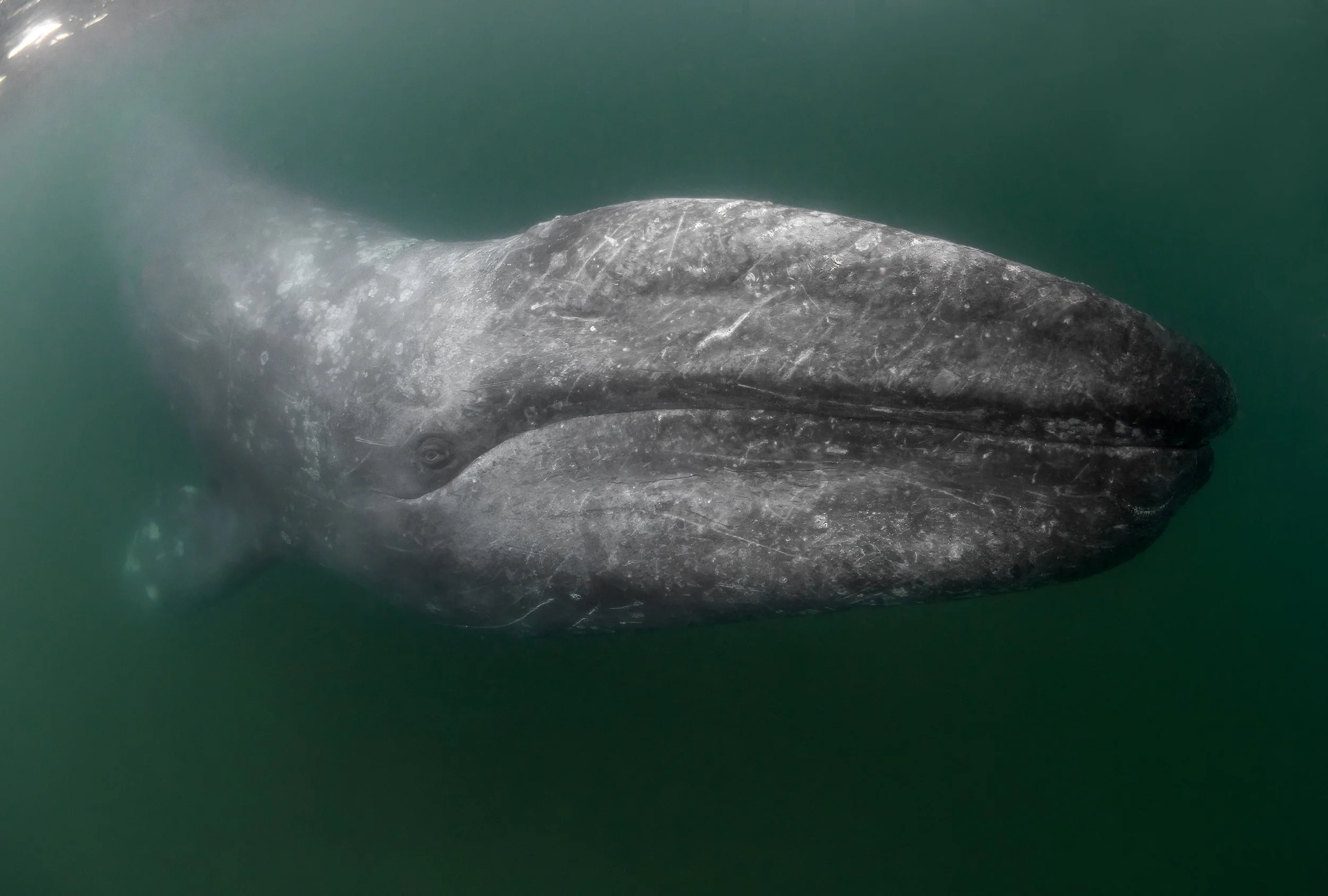
Grey Whale
Those moments hit differently.
They’re not the big, all-time encounters you dream about.
But you can feel it.
The whale chose to come in close.
It didn’t have to come in. It didn’t have to stay.
But it did, long enough to look at you.
And then it moved on.
There’s no tension in those moments.
No weight.
You leave the water happy.
And that’s enough.
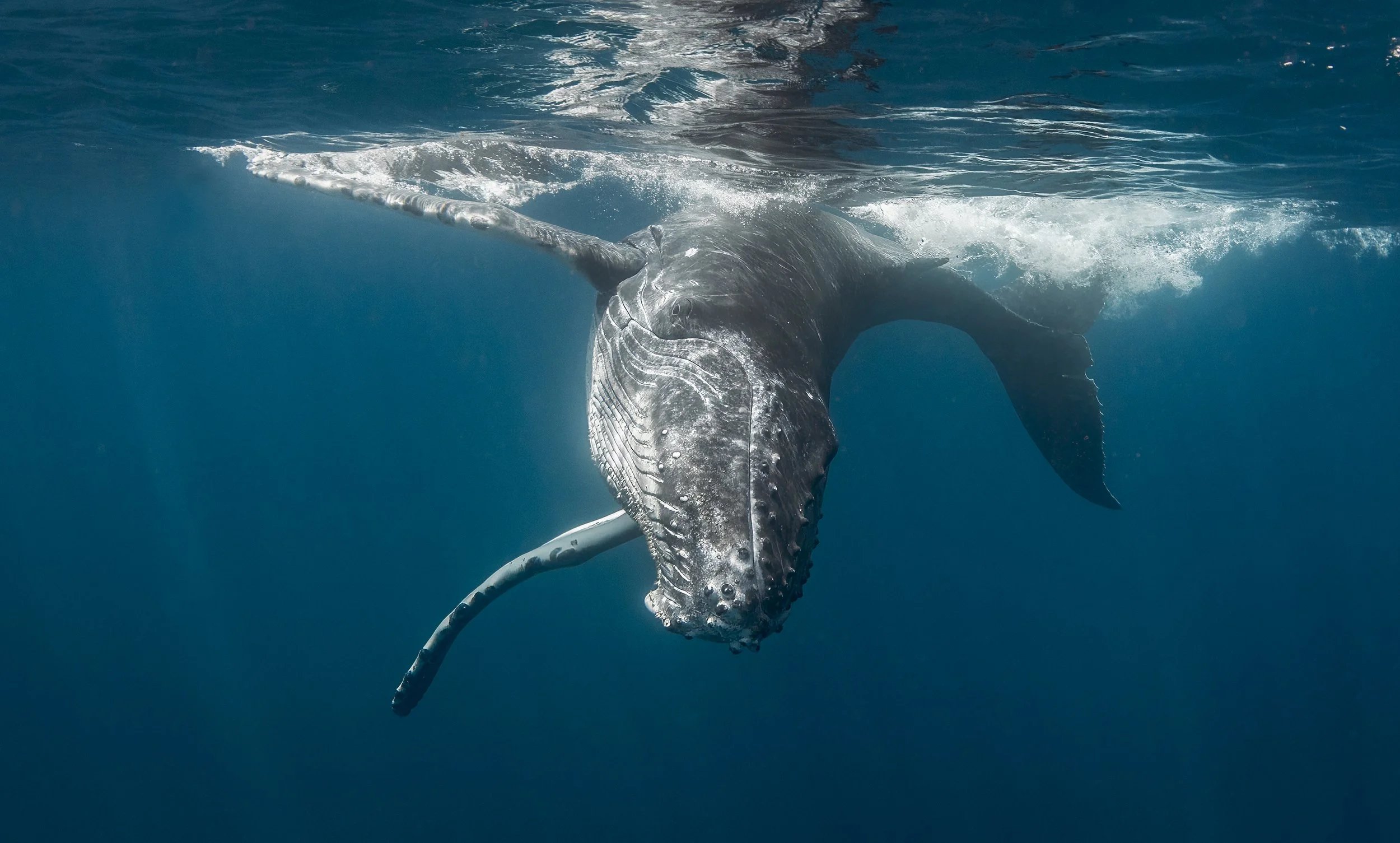
Humpback whale calf.
And then, there are the moments that change you.
The ones where the whale doesn’t just pass by…
It comes in.
It chooses to stay.
It slows down.
It matches your pace.
Sometimes they get close enough to touch you.
Sometimes the whales even try to play with you.
And for a moment, it feels like something magical is happening.
The whale has chosen to interact with you.
Those moments are so different… they are extremely special.
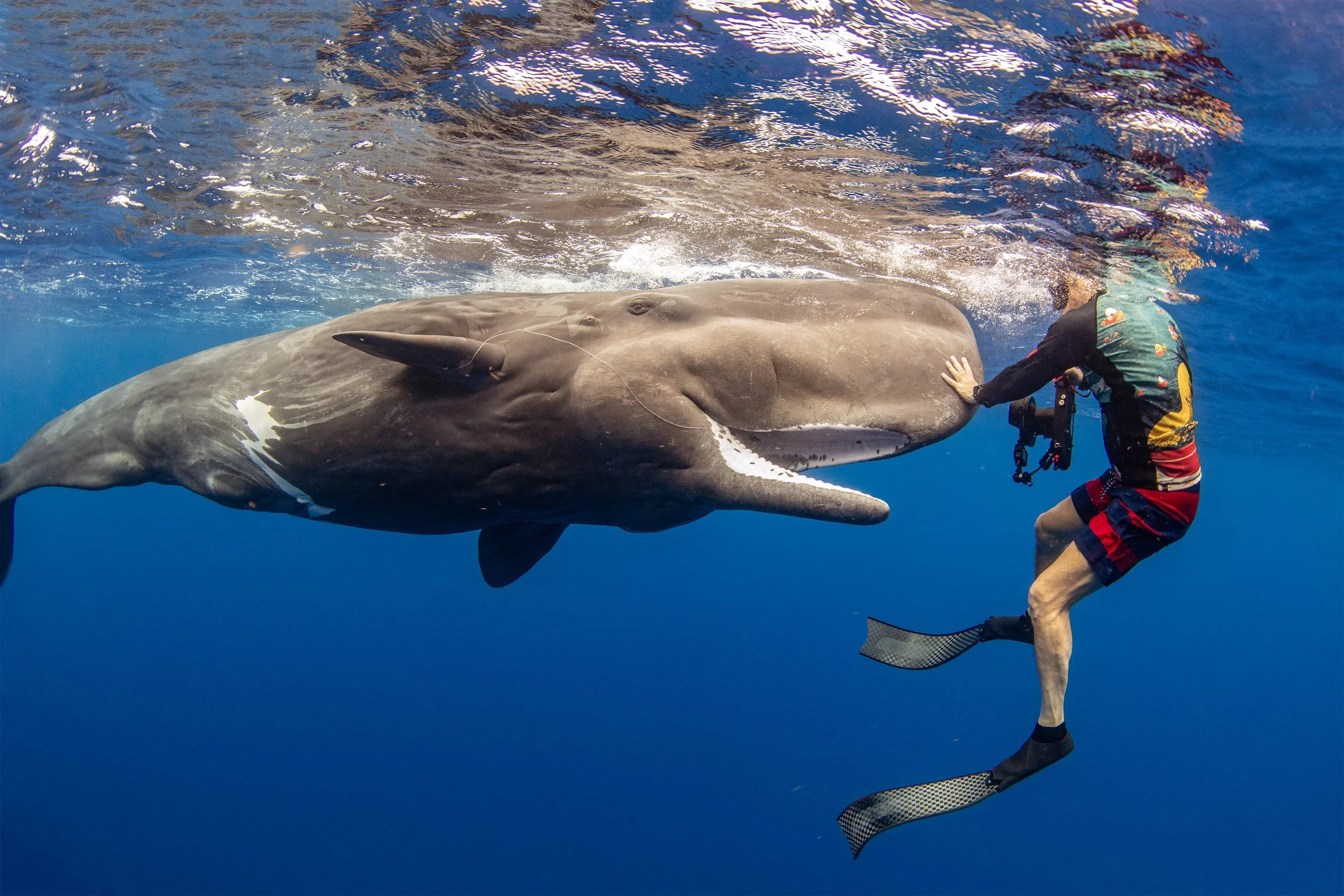
A juvenile sperm whale named Chaos off Dominica. Image captured under permit.
Those encounters stay with you long after the trip is over.
These kind of moments keep you coming back, again and again.
Because once you’ve experienced an encounter like that, it’s never enough.
You want more!
And that’s where the question comes back.
Is it ethical?
It depends.
Not on whether you’re in the water, but on how you behave when you are.
Respect the distance. Respect the moment. Respect when it’s over.
Because the second we push past that, it stops being an experience, and starts becoming exploitation.
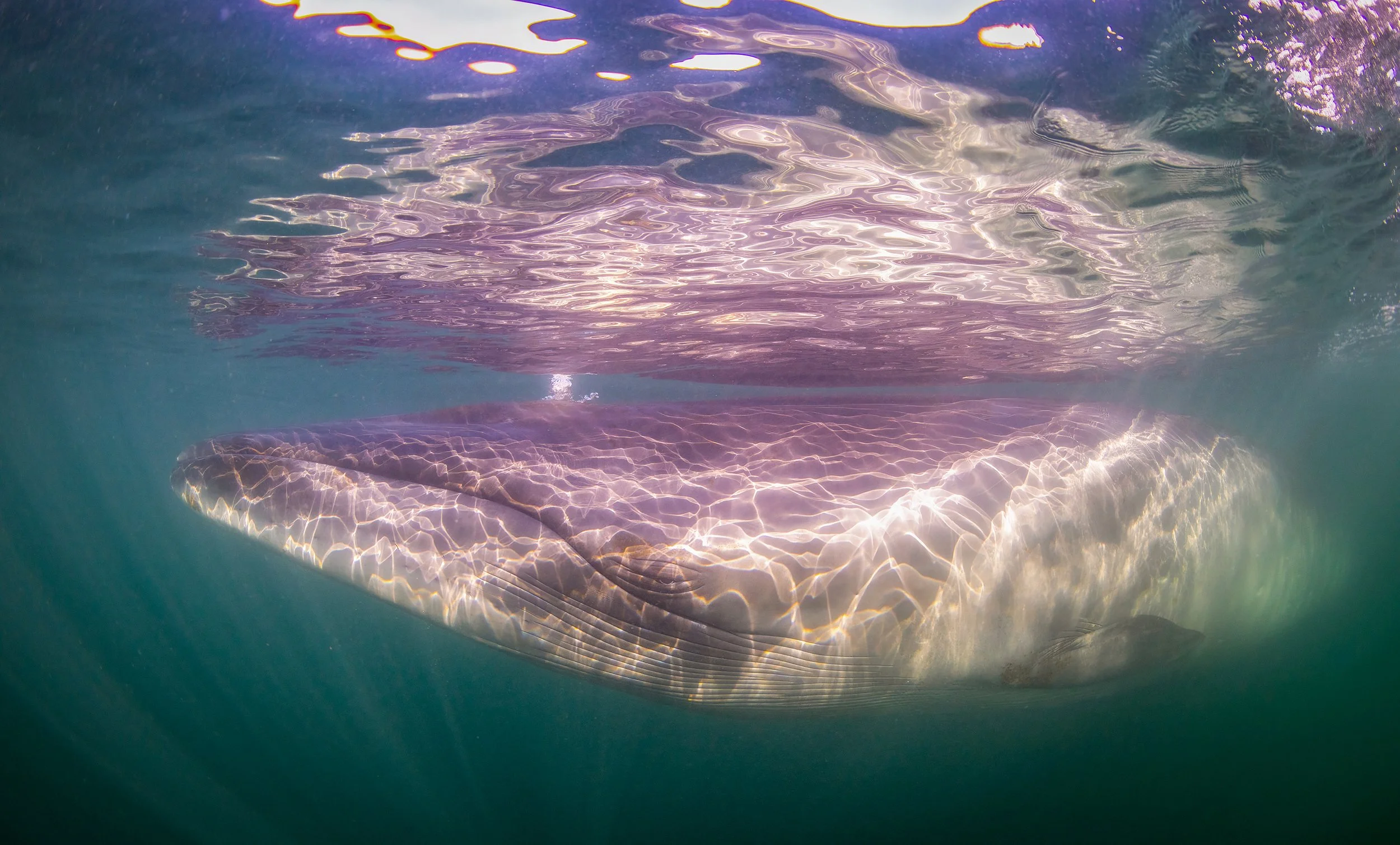
Sei Whale. Image captured under permit.
These encounters, when done right, create connection.
Being in the water with a whale, seeing it, feeling it, sharing space…
Those moments are so powerful.
And in a world where whales are constantly under pressure, those encounters matter.
But it only matters if we do it the right way.
Not every encounter is ethical.
Not every operator gets it right.
That’s just the truth.
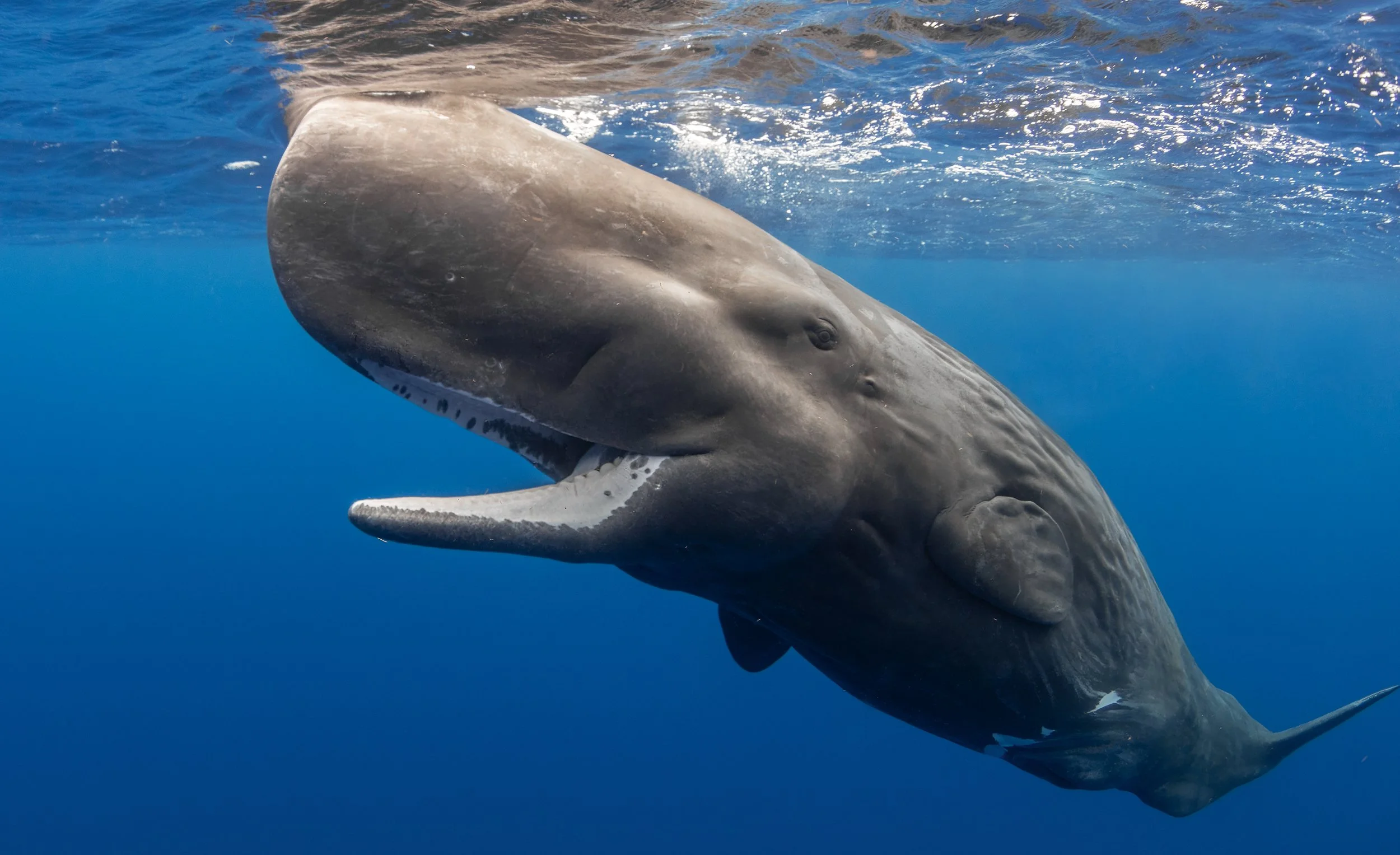
Chaos the sperm whale. Image captured under permit.
So if you’re going to swim with whales, do it with people who respect the animals.
Who are willing to walk away.
Who understand that the moment isn’t ours to take.
It’s theirs to give.
And when it’s given… it’s something you’ll never forget.