
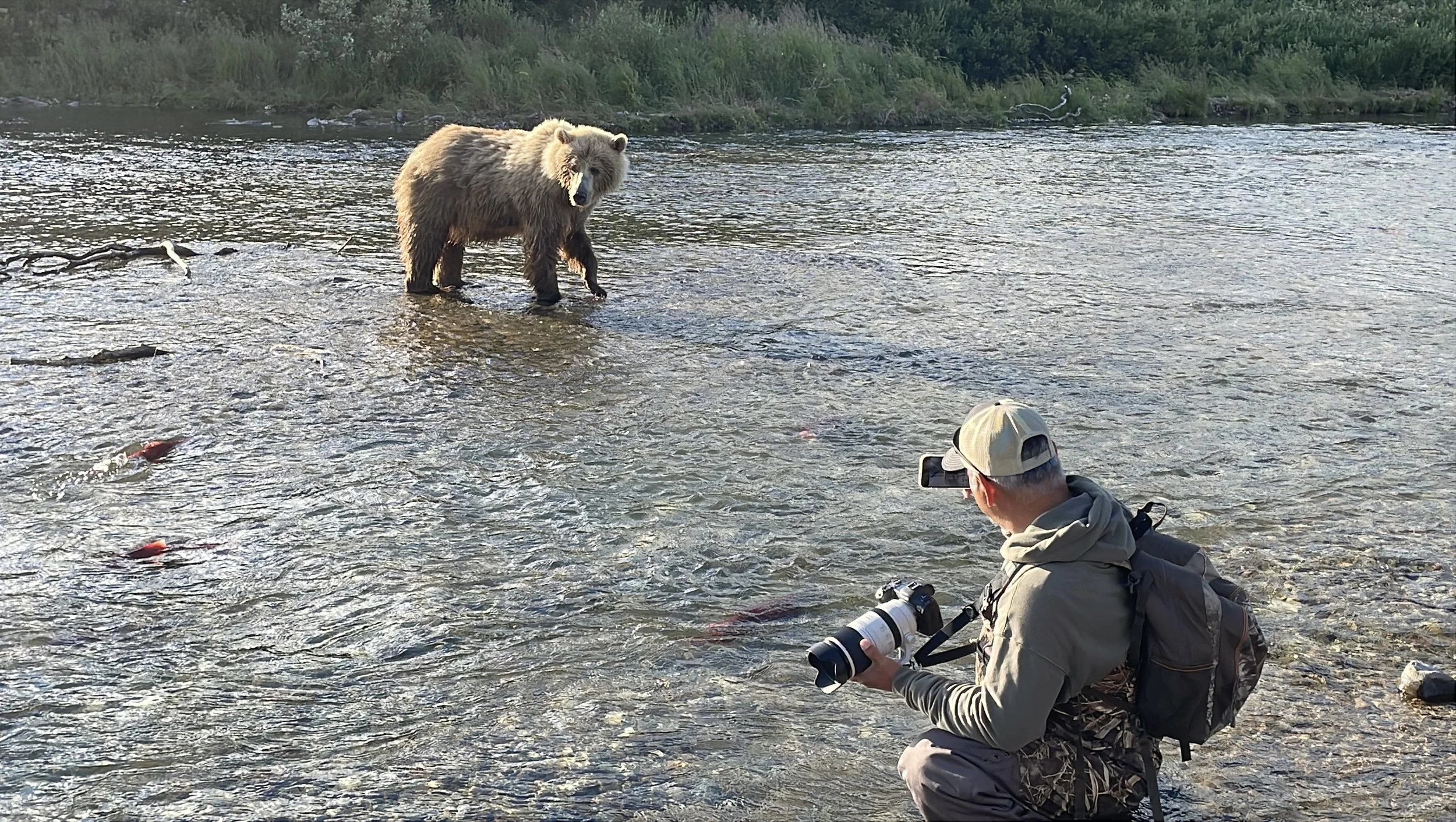
Some of the best images of my life never made it to my memory cards.
Not because the wildlife wasn’t there… but because I wasn’t ready when the magic happened.
There’s a truth in wildlife photography that takes years to fully accept, and even longer to master:
Timing is everything.
Wildlife behavior happens in flashes.
A second too late, and the moment is gone.
In the wild, nature doesn’t repeat itself for the camera.
You either catch the moment, or you don’t.
There is no reset button.
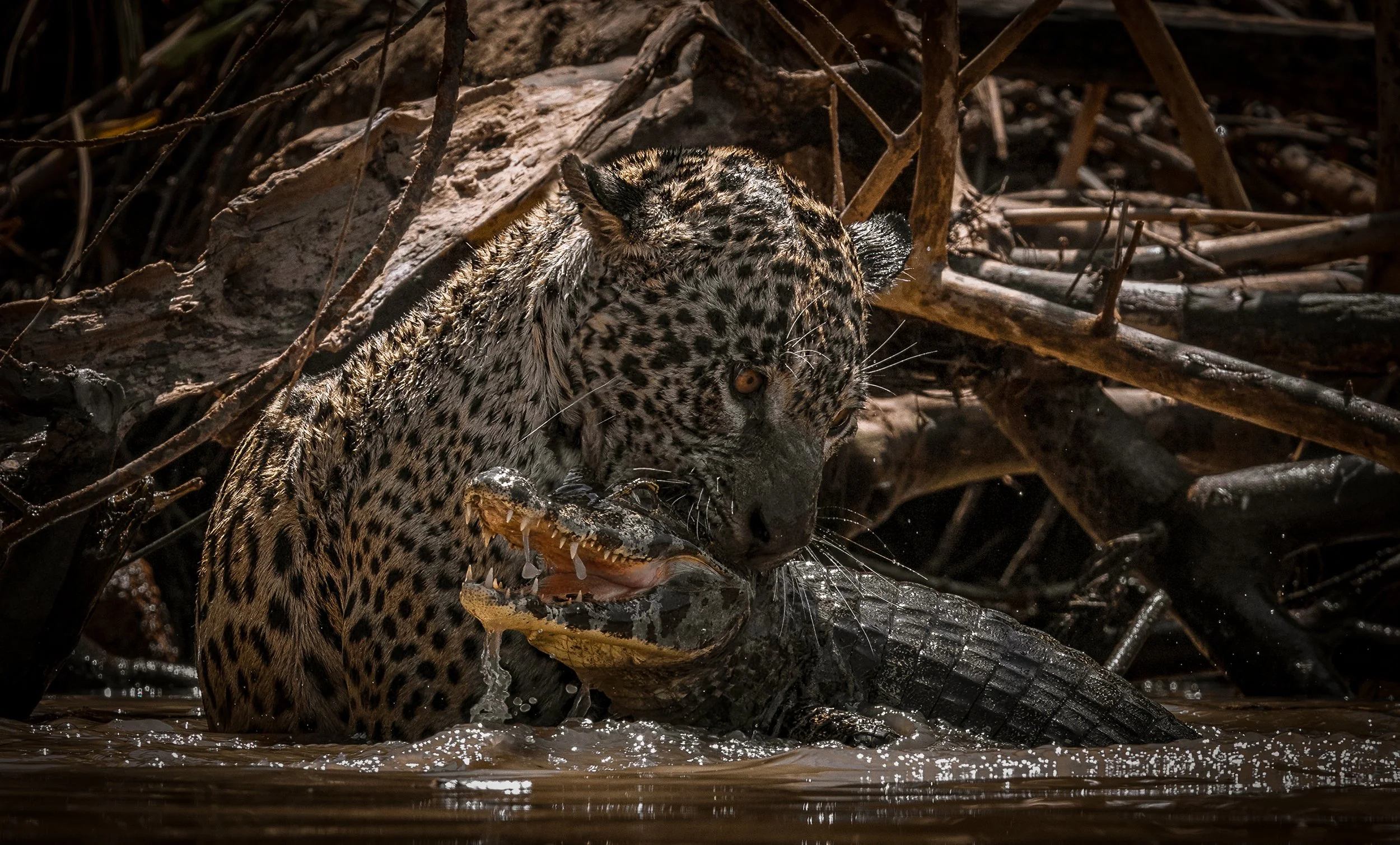
Jaguar hunting a Yacare Caiman in the Northern Pantanal
I’ve learned this lesson the hard way.
Over the years, I’ve lost more moments than I’ve captured…
My camera was still in the bag. My settings were wrong. I was focused on the wrong animal when the right one did something unforgettable.
And every one of those missed moments stays with you.
Because each one had the potential to be… THE IMAGE.
the kind that wins awards.
the kind that becomes a signature shot.
the kind that tells a story no one else has told.
But they slipped away.
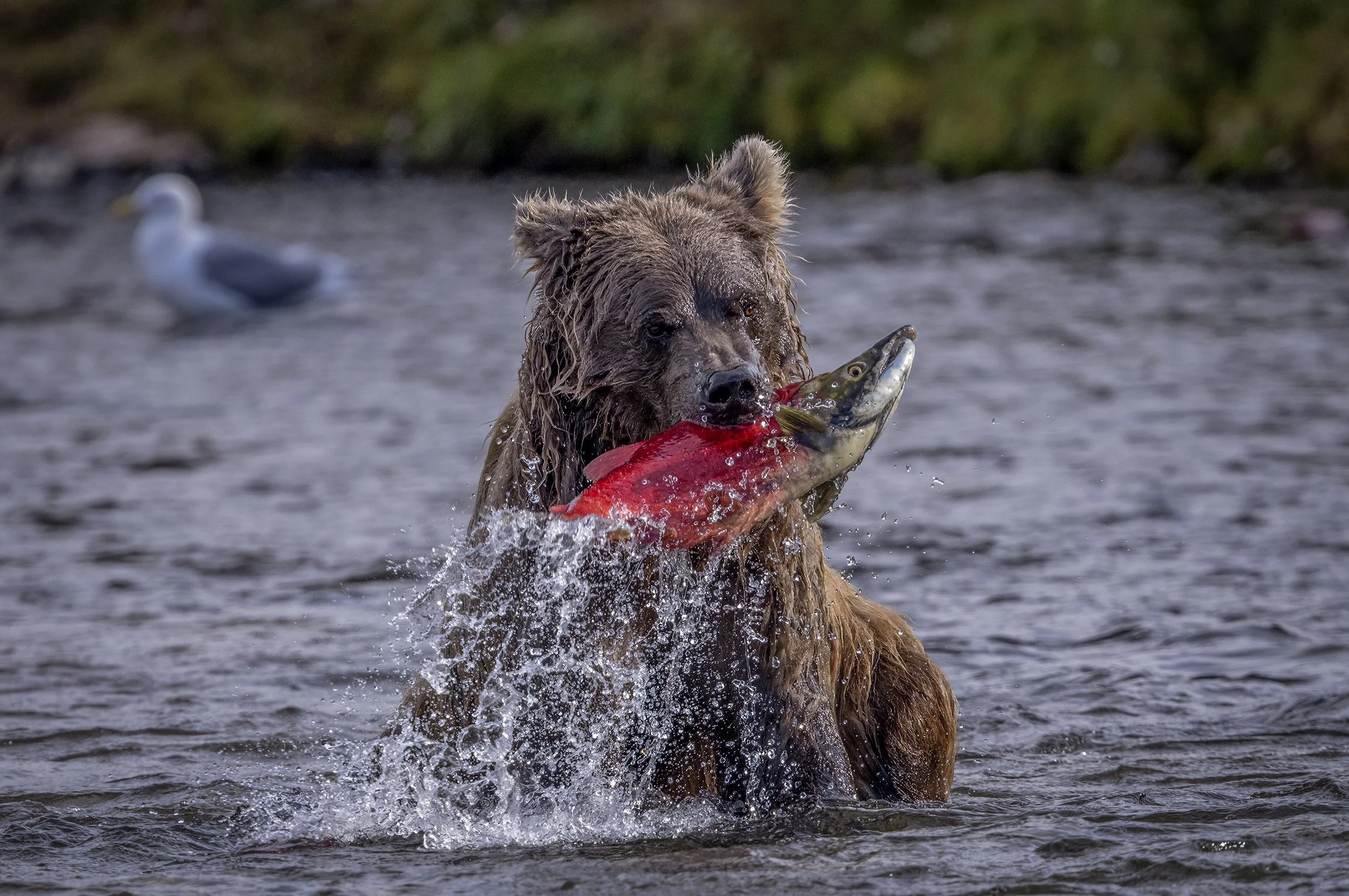
Brown bear catching a salmon in Katmai Alaska.
Wildlife doesn’t care if you’re ready.
It doesn’t wait for you to switch lenses or adjust ISO.
It doesn’t warn you before something incredible happens.
It just happens, fast, unpredictable, and often only once.
That’s the beauty and the heartbreak of behavior photography.

Orca hunting a mola mola off Baja Mexico
So what do you do?
You prepare. You stay ready. You become a student of timing.
You keep your camera out, not in the bag.
You learn to read animals like a language.
You anticipate behavior before it unfolds.
You adjust your settings before the moment arrives.
You watch the scene with your eyes, not your screen.
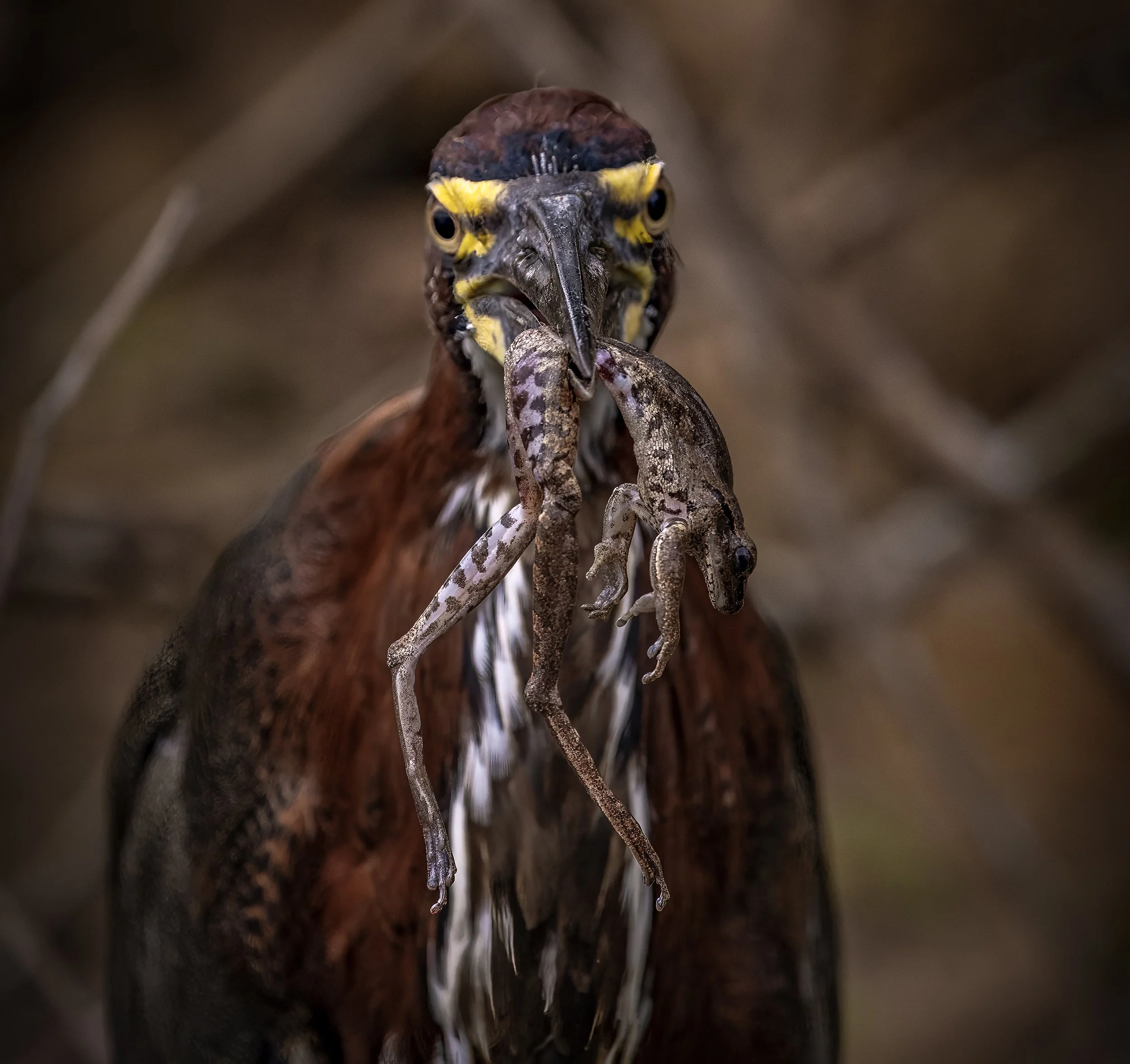
Tiger Heron eating a tree frog off the Northern Pantanal, Brazil.
Because the more you’re ready, the more the wild reveals.
It doesn’t mean you stop missing shots, trust me, I still miss plenty.
But you start missing fewer.
And the ones you catch?
They are gifts from nature.
And they belong to the photographer who’s ready when the magic happened.
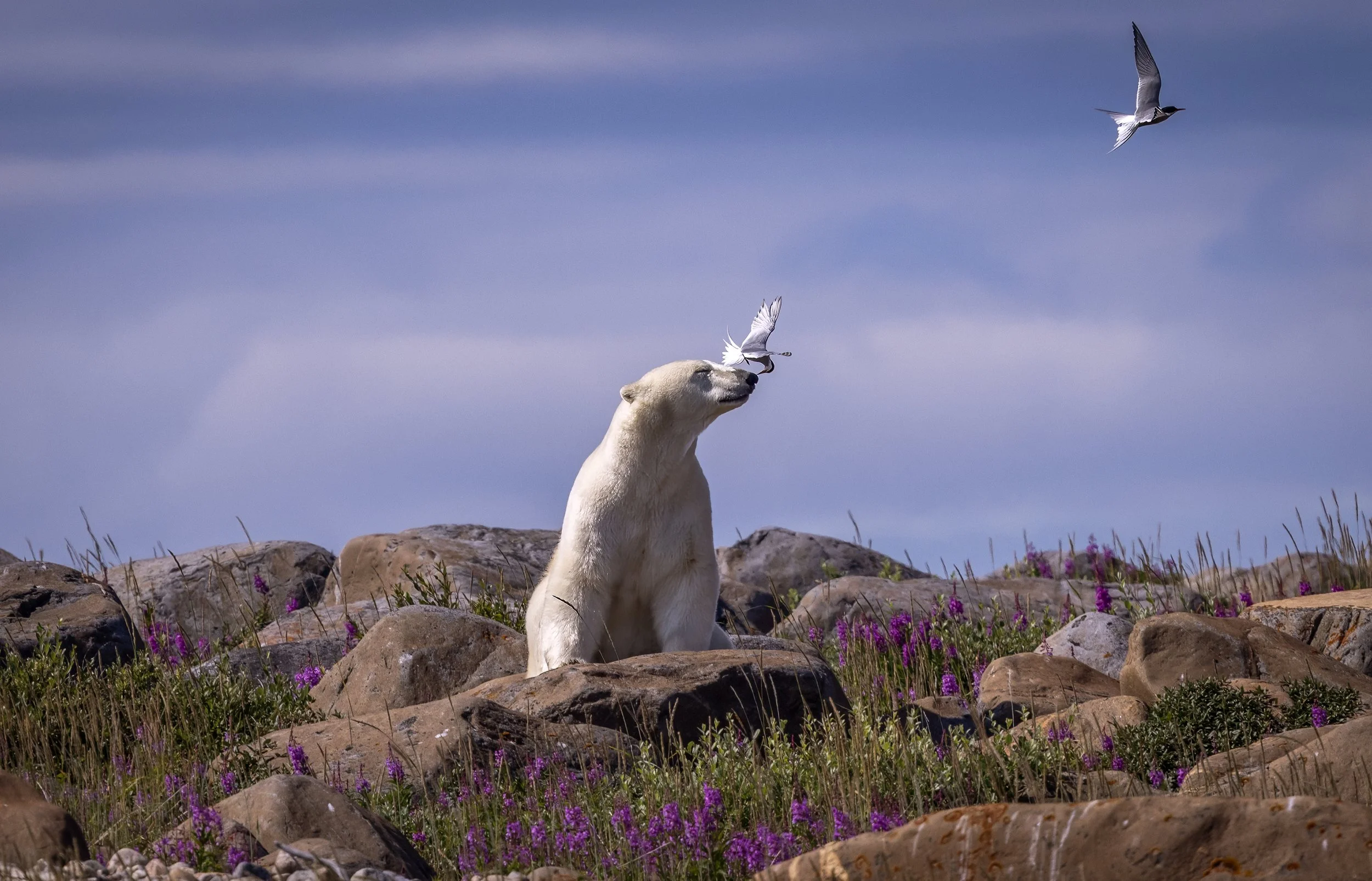
Polar Bear getting attacked by an Arctic tern off Churchill, Canada.


