nature photography tips

Timing Is Everything

Some of the best images of my life never made it to my memory cards.

Not because the wildlife wasn’t there… but because I wasn’t ready when the magic happened.

There’s a truth in wildlife photography that takes years to fully accept, and even longer to master:

Timing is everything.

Wildlife behavior happens in flashes.

A second too late, and the moment is gone. 

In the wild, nature doesn’t repeat itself for the camera. 

You either catch the moment, or you don’t.

There is no reset button.
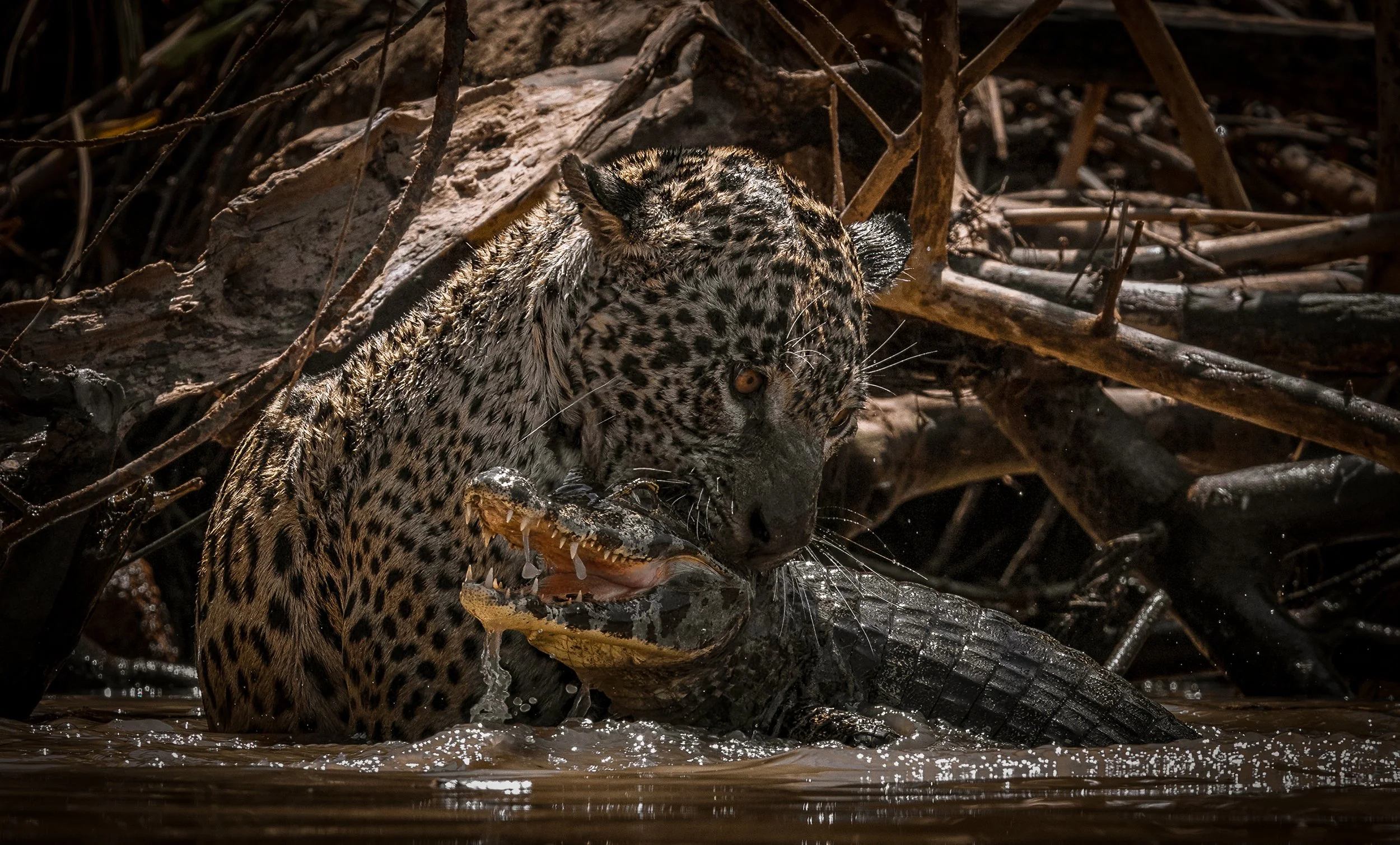
Jaguar hunting a Yacare Caiman in the Northern Pantanal

I’ve learned this lesson the hard way.

Over the years, I’ve lost more moments than I’ve captured…

My camera was still in the bag. My settings were wrong. I was focused on the wrong animal when the right one did something unforgettable.

And every one of those missed moments stays with you.

Because each one had the potential to be… THE IMAGE.

the kind that wins awards.
the kind that becomes a signature shot.
the kind that tells a story no one else has told.

But they slipped away.
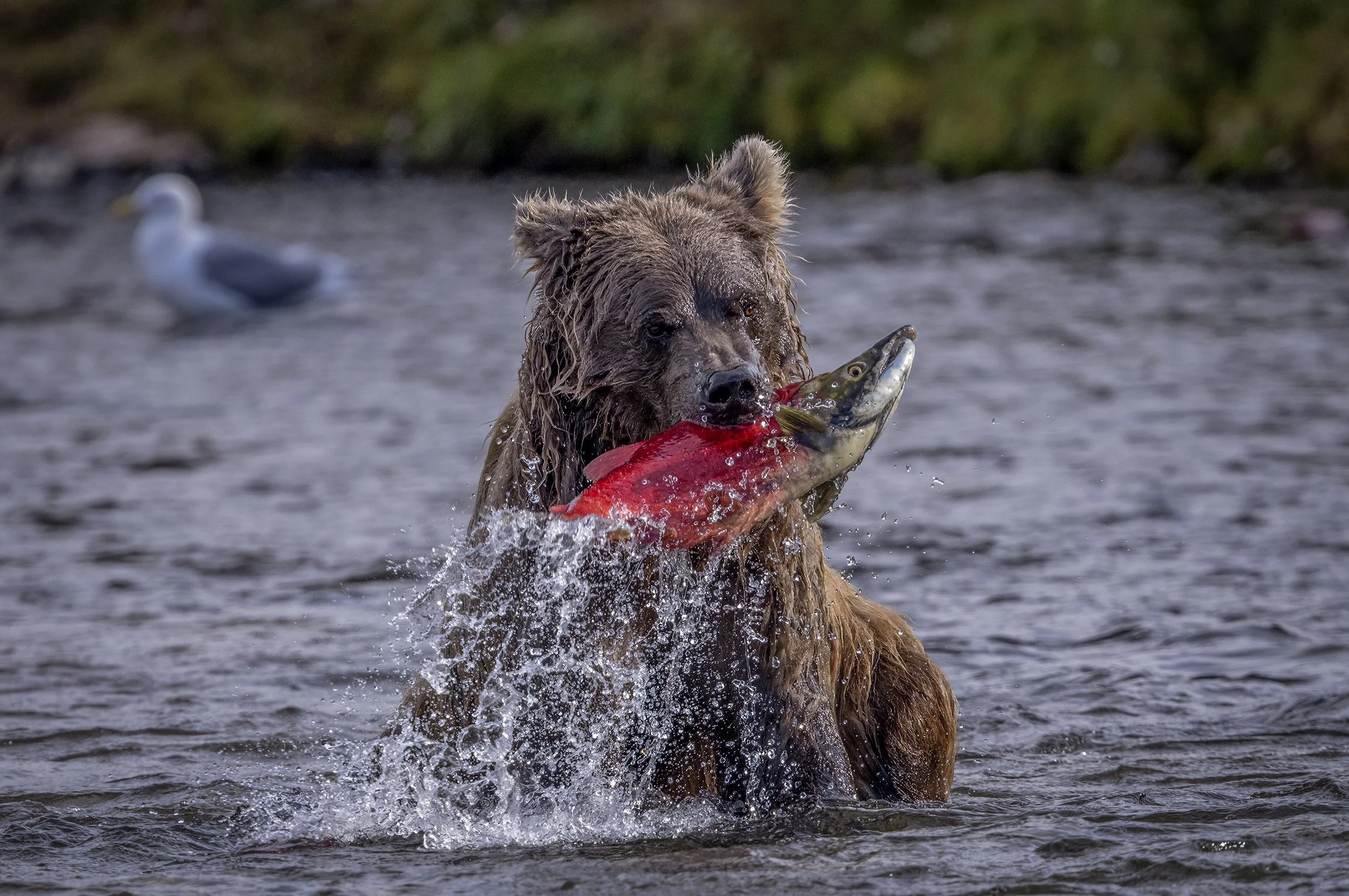
Brown bear catching a salmon in Katmai Alaska.

Wildlife doesn’t care if you’re ready.

It doesn’t wait for you to switch lenses or adjust ISO.
It doesn’t warn you before something incredible happens.
It just happens, fast, unpredictable, and often only once.

That’s the beauty and the heartbreak of behavior photography.

Orca hunting a mola mola off Baja Mexico

So what do you do? 

You prepare. You stay ready. You become a student of timing.

  • You keep your camera out, not in the bag.

  • You learn to read animals like a language.

  • You anticipate behavior before it unfolds.

  • You adjust your settings before the moment arrives.

  • You watch the scene with your eyes, not your screen.
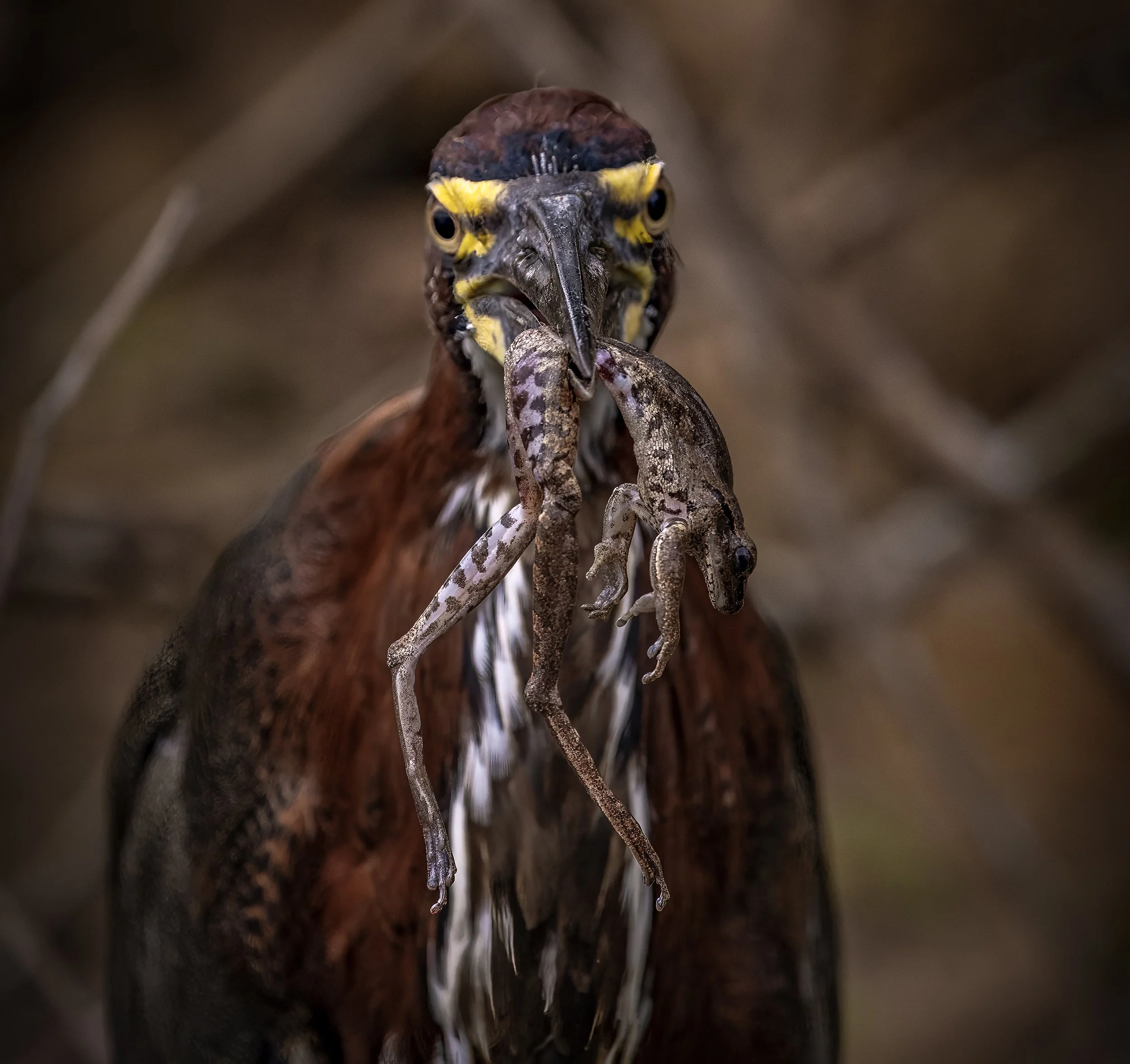
Tiger Heron eating a tree frog off the Northern Pantanal, Brazil.

Because the more you’re ready, the more the wild reveals.

It doesn’t mean you stop missing shots, trust me, I still miss plenty.

But you start missing fewer.

And the ones you catch?

They are gifts from nature.

And they belong to the photographer who’s ready when the magic happened.
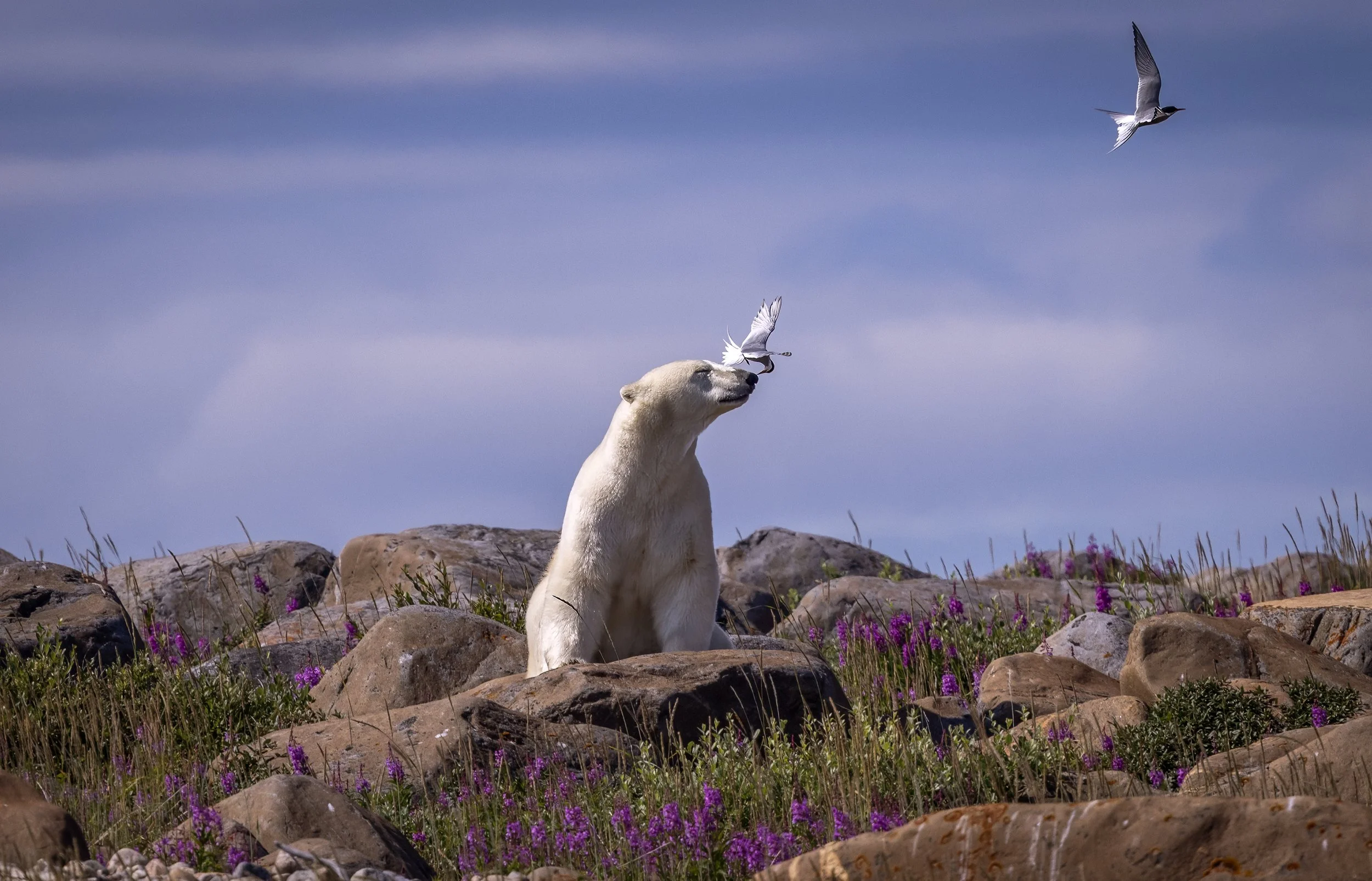
Polar Bear getting attacked by an Arctic tern off Churchill, Canada.

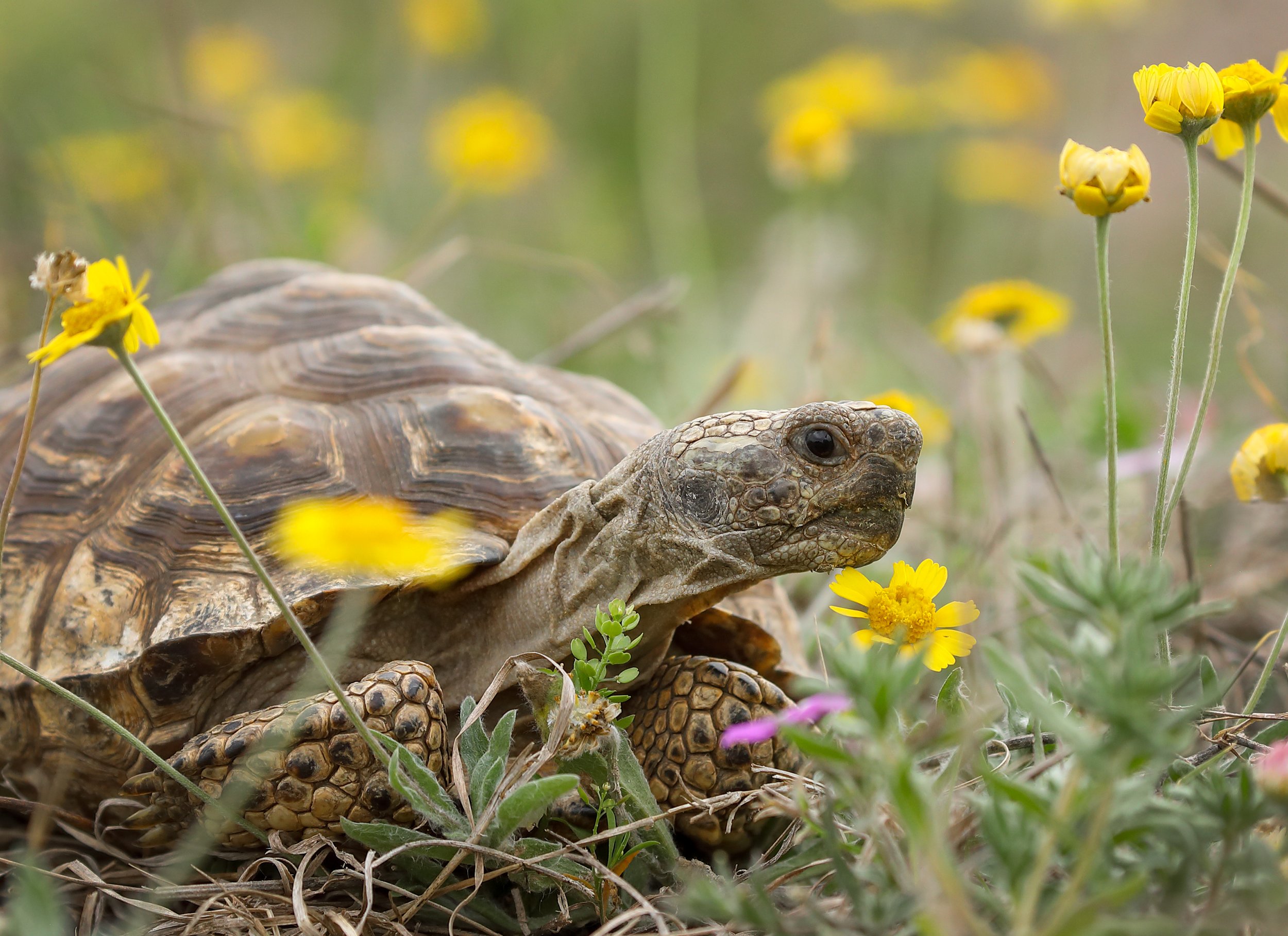
Photographing Wildlife... Some Tips for Capturing Animals in Action.

Photographing wildlife has always been one of my greatest passions. There's nothing quite like the thrill of capturing a great image of an animal in its natural habitat, whether it’s a tiger prowling through the forest or an orca, mom and calf swimming through the ocean.

Over the years, I’ve learned that getting the perfect shot is more than just having a good camera; it’s about understanding the behavior of the animals and being prepared to capture those fleeting moments.

Here are some essential tips I’ve gathered from my own adventures in the wild, which I hope will help you capture stunning wildlife photos of your own.

1. Understand Animal Behavior

One of the first things I realized early on is the importance of understanding the animals you’re photographing. Every species has unique behaviors, and being familiar with these can help you anticipate their movements.

For example, if you’re photographing a fox, knowing that they tend to be more active at dawn and dusk can guide you on the best times to shoot. Similarly, understanding that a perched bird will often defecate right before flight can help you prepare for the perfect shot just as it takes off.

This type of knowledge has helped me capture some of my most cherished photos.

2. Choose the Right Camera Settings

When it comes to wildlife photography, your camera settings can make or break your shot. Fast-moving animals require a faster shutter speed to freeze the action. I typically set my shutter speed to at least 1/2000th of a second for fast-moving subjects like birds or big cats.

If you’re photographing slower animals, such as tortoises or resting deer, you can afford a slower shutter speed.

Aperture settings also play a crucial role. A wider aperture (like f/2.8 or f/4) allows for a shallow depth of field, making your subject stand out against a beautifully blurred background. This works wonderfully when photographing animals in dense foliage or when you want to isolate them from a busy environment.

3. Be Patient and Stay Ready

Patience is your best friend in wildlife photography. I’ve spent countless hours sitting quietly, waiting for that perfect moment.

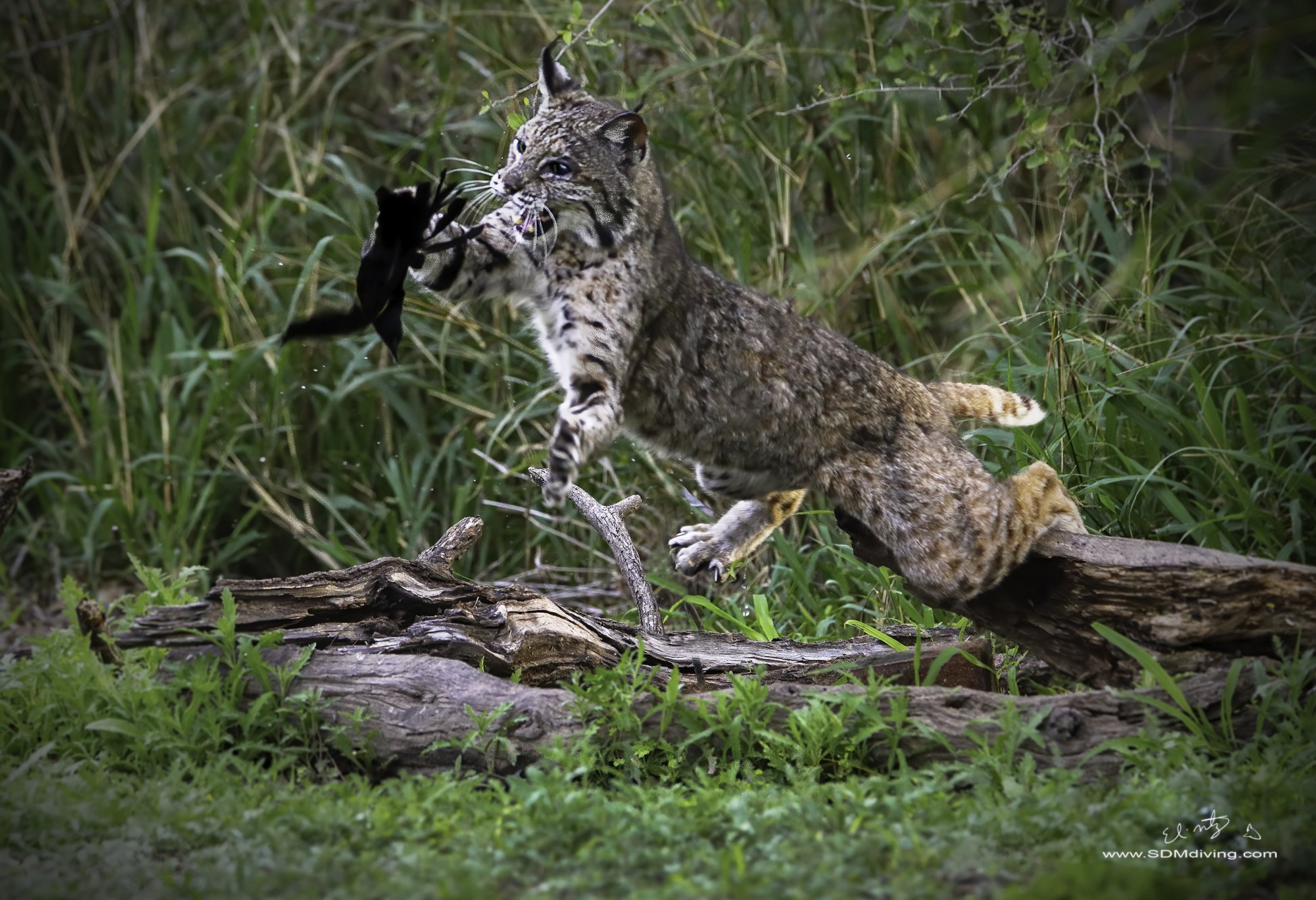
Whether it’s waiting for a bobcat to pop out of the bushes to catch a bird, or for a breaching whale, those moments don’t come on command.

But trust me, the wait is always worth it… so always have your camera ready.

Wildlife is unpredictable, and you never know when an animal will make a sudden move. Keep your camera on and your finger on the shutter. A quick reflex can mean the difference between capturing a fleeting moment, or missing it altogether.

4. Focus on the Eyes

There’s a saying in wildlife photography: “If you can see the eyes, you can see the soul.” I find this to be true.

Focusing on the animal’s eyes can create a powerful connection between the subject and the viewer. It brings life to the photo and can tell a good story.

Whenever possible, try to lock focus on the eyes of the animal.

5. Respect Wildlife and Their Habitat

Last but certainly not least, ALWAYS respect the wildlife and their natural environment. Keeping a safe distance not only protects you but also prevents stress to the animals.

Remember, we are guests in their world.

Wildlife photography is an art that combines technical skill with a deep respect for nature. Every shot is a new adventure, a new story waiting to be told. So grab your camera, do your research, be patient, and above all, enjoy every moment in the wild.

Happy shooting!