best camera for wildlife photography

The Camera You Brought Is Enough

I get asked about camera equipment on almost every trip.

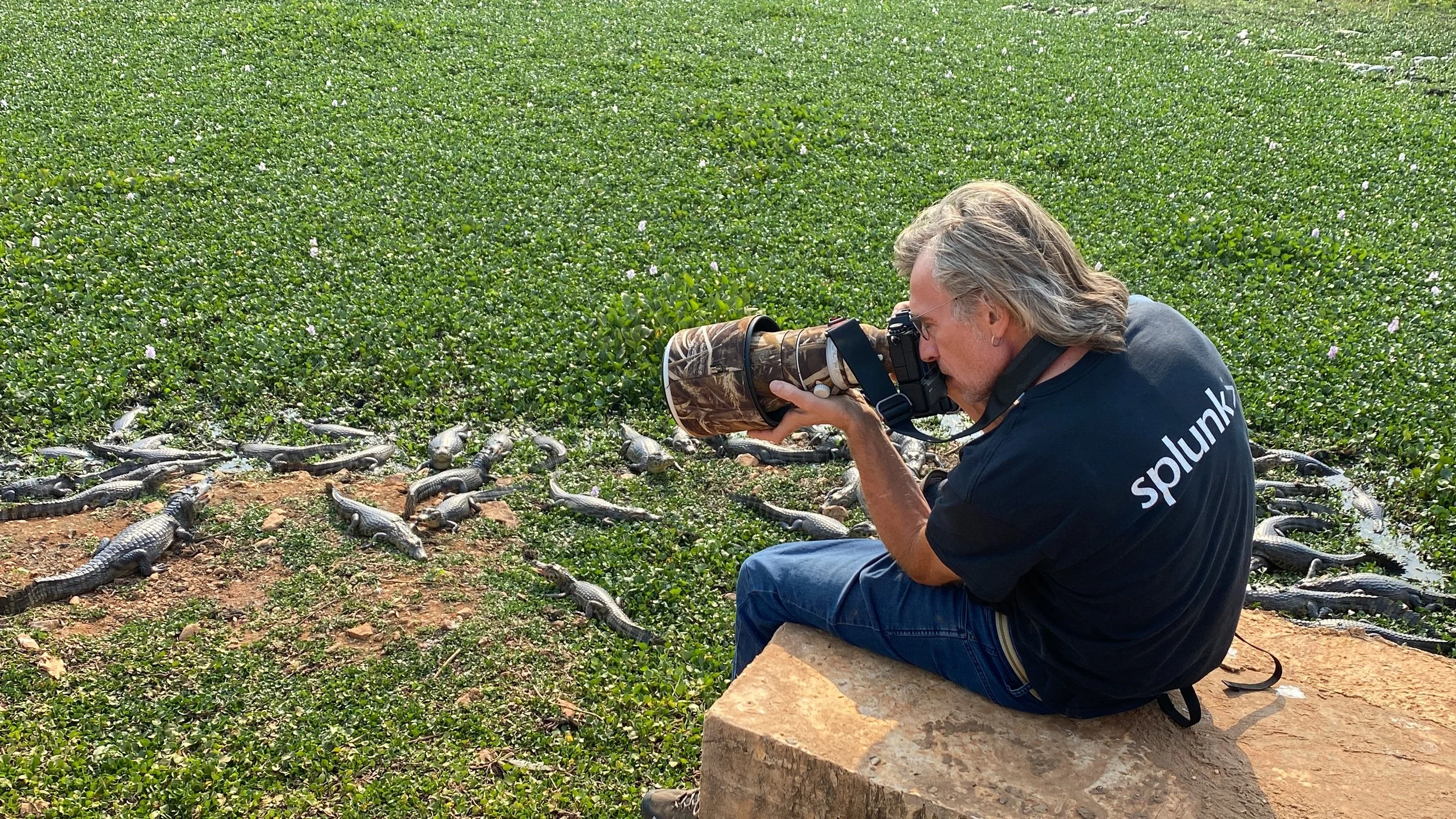
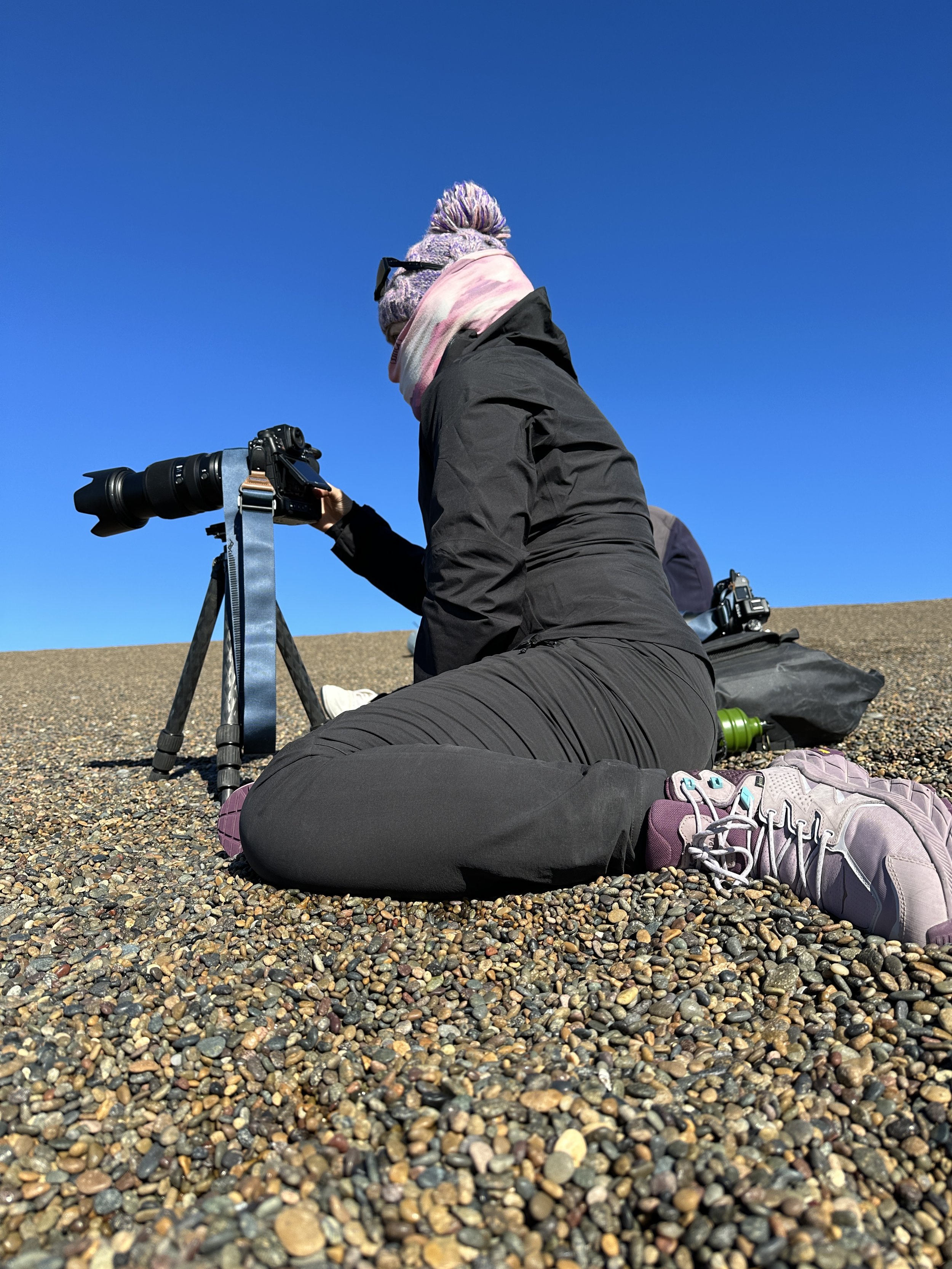
People show up with everything you can imagine; brand new mirrorless rigs, older DSLRs, compact cameras, Gopros, phones, housings held together with hope.

Some guests feel confident. Others feel instant camera envy the moment they see what someone else is shooting with.

And I see it happen every time.

Someone looks at another guest’s setup and quietly wonders if they brought the wrong camera. If their images will somehow matter less.

If they’ll fall short.

Here’s the truth.

Yes, some cameras capture light, color, and dynamic range better than others.

That’s real. Technology moves fast.

New gear is impressive.
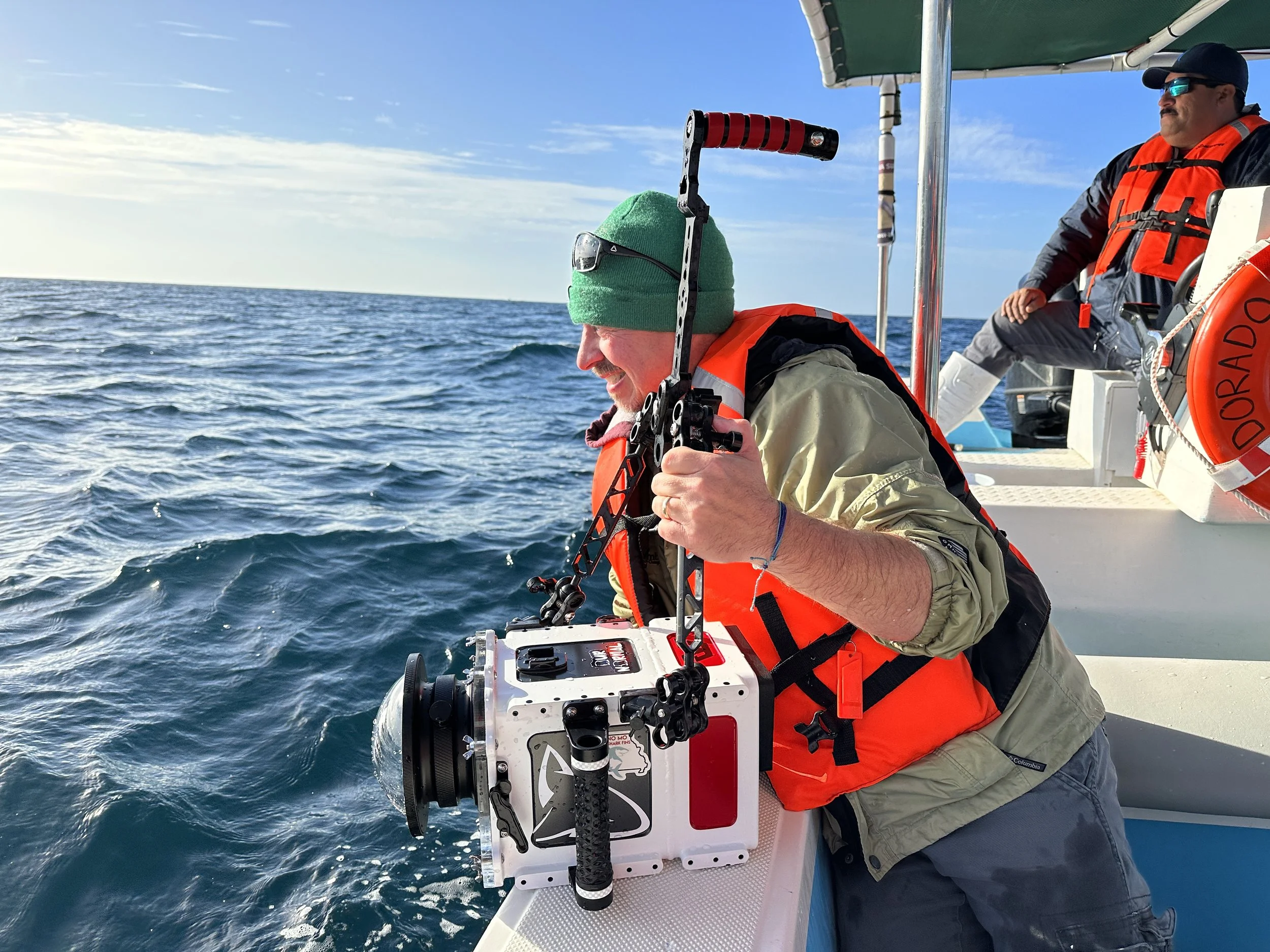
But none of that matters if you forget to enjoy the moment you’re standing in.

It’s easy to feel bad about what you brought because someone else has more.

A newer body. A faster lens. A shinier housing.

But long after the trip is over, long after you’ve edited the photos, shared them, and eventually stopped looking at them, what stays with you is the feeling of the place.

The cold water.
The silence.
The animal deciding whether to come closer.

That’s what lasts.
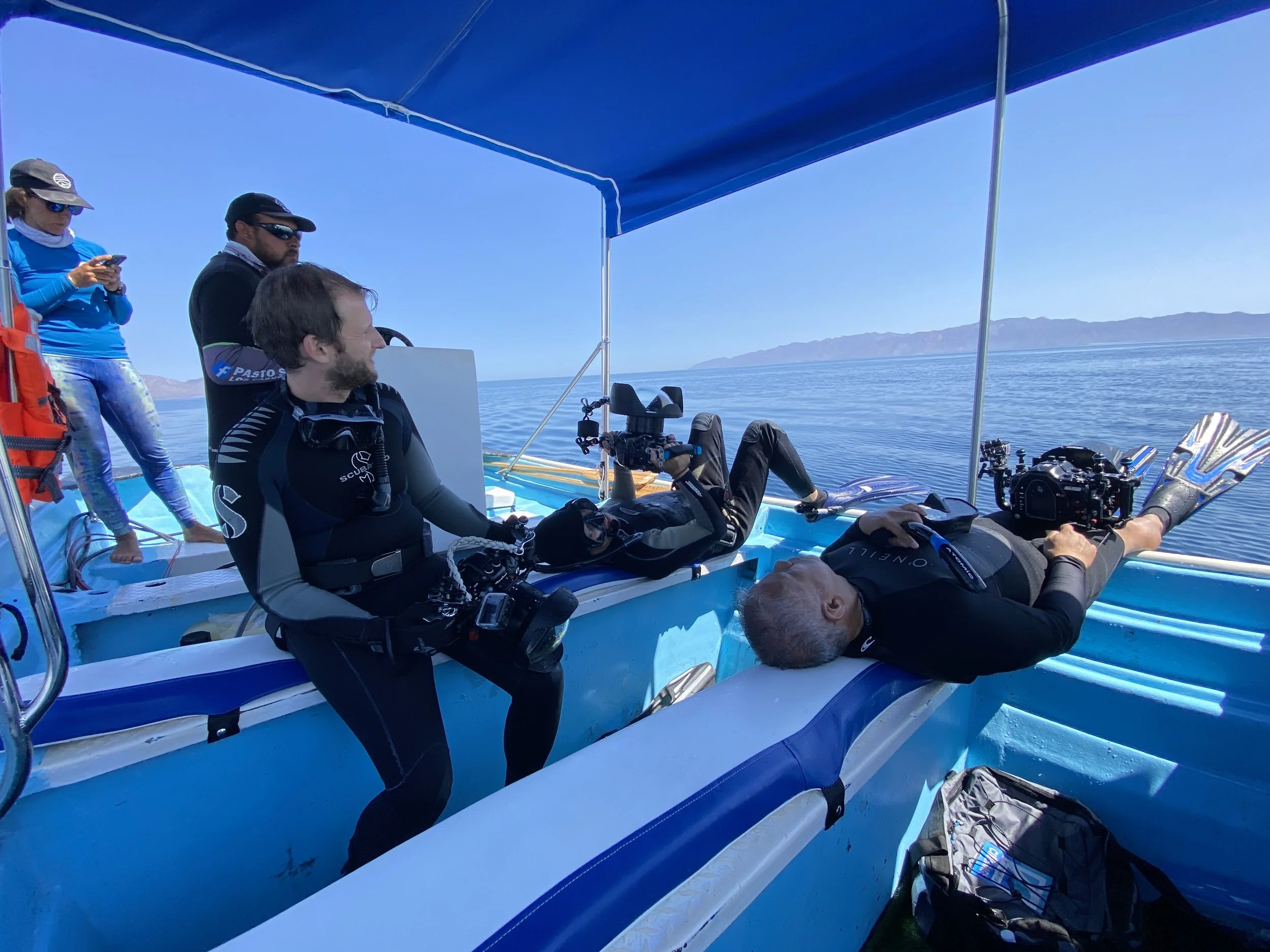
The memory you leave with will always outweigh what you captured.

I’ve been shooting with my underwater camera, Gloria, for over ten years now. By today’s standards, she’s outdated. Slower. Louder. Limited compared to the newer mirrorless rigs guests bring along.

But I know her.

I know where her limits are.
I know what light she likes, and what light she hates.
I know what I can push, and what I shouldn’t even try.

And because of that, I can get everything out of her that she has to give.
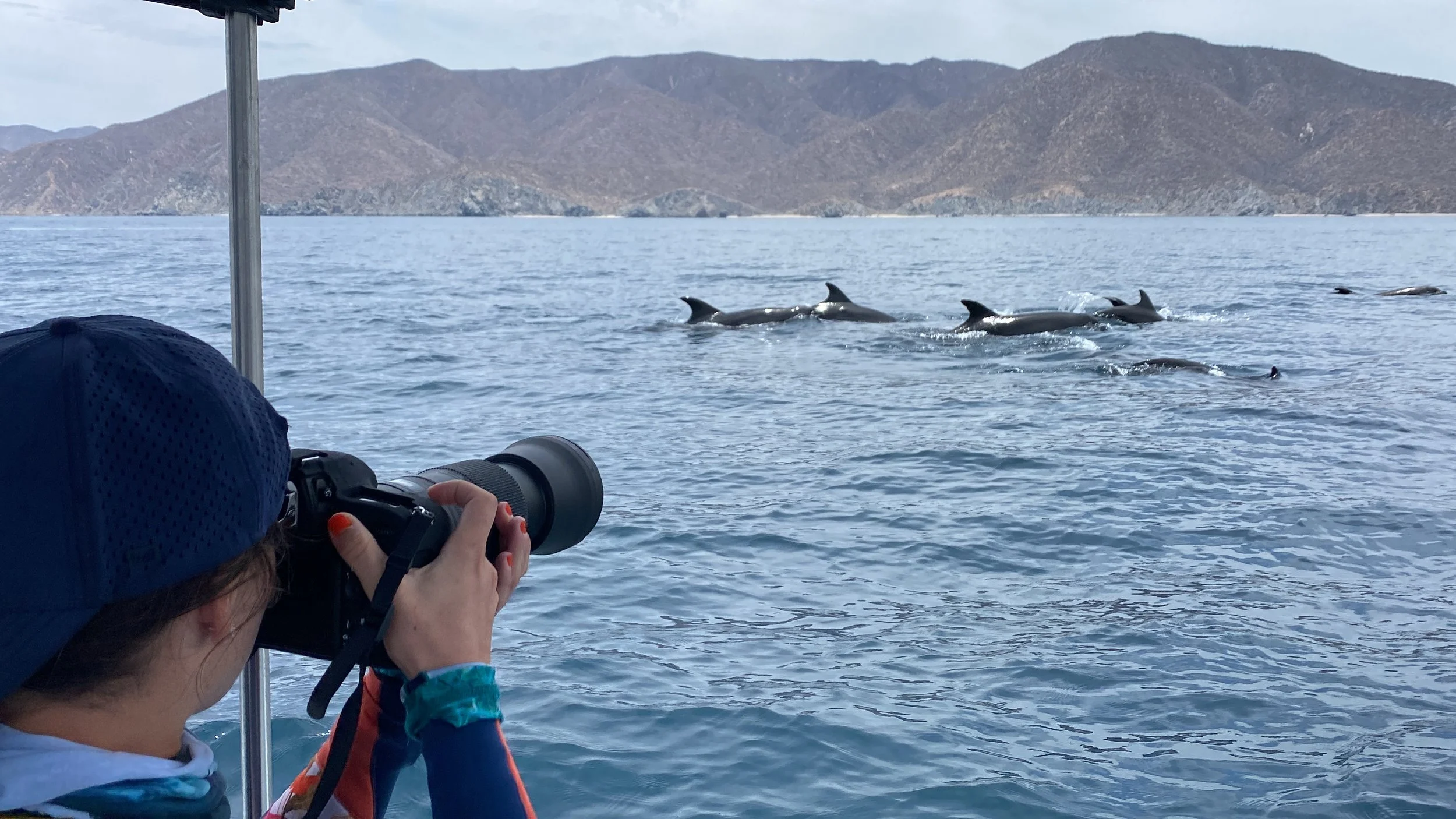
That’s my real recommendation to you.

If your camera doesn’t produce the same technical results as the newest gear, don’t panic.

Don’t compare.

Instead, ask a better question:

What can I do to get the very best out of what I already have?

Learn your camera’s strengths.
Respect its limits.
Work with the light instead of fighting it.
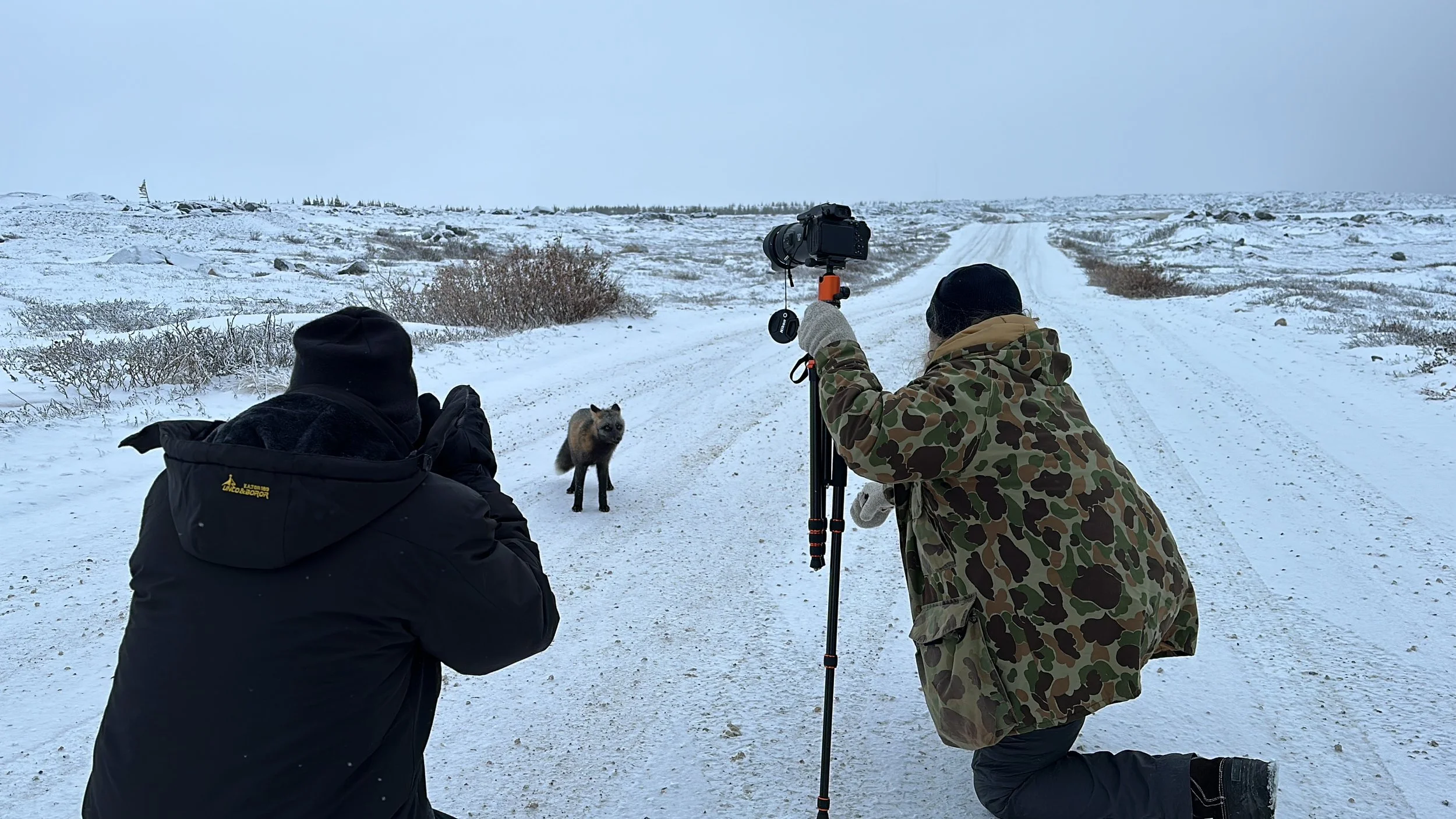
When you do that, you’ll come home with images you’re proud of, and more importantly, memories that still feel alive when the photos are put away.

Because in the end, the goal isn’t perfect images.

It’s being there when something real happens.

And no camera, no matter how expensive, can do that part for you.

Choosing the Right Camera, When Photographing Predators

When photographing predators, your camera needs to be fast, reliable, and capable of handling tough conditions.

Here’s what to look for:

  • Fast Autofocus & Tracking – Predators rarely stay still. A camera with high-speed autofocus and excellent subject tracking is crucial.

  • High Frames Per Second (FPS) – The more frames per second, the more chances you have to capture the perfect moment. At least 10 FPS is ideal.

  • Great Low-Light Performance – Many predators are most active at dawn, dusk, or in the shadows. A camera with a high ISO range and minimal noise at high ISO is essential.

  • Weather Sealing – Whether you're in freezing temperatures, humid jungles, or dusty savannahs, your gear needs to survive the elements.

Top Camera Choices for Predator Photography

  • Canon EOS R5 / R3 – Excellent autofocus, 20+ FPS, and superb animal tracking.

  • Nikon Z9 – Fastest mirrorless AF, 20+ FPS, and built like a tank.

  • Sony A1 / A9 II – Unmatched tracking speed with high FPS.

  • Fujifilm X-H2S – Budget-friendly, fast AF, and great for travel photographers.

DSLRs still hold their ground too, Canon 1DX Mark III, Nikon D6, and Sony A99 II are great for wildlife… but mirrorless is the future due to its silent shooting, better tracking, and lightweight build.


The Best Lenses for Predator Photography
Zoom vs. Prime

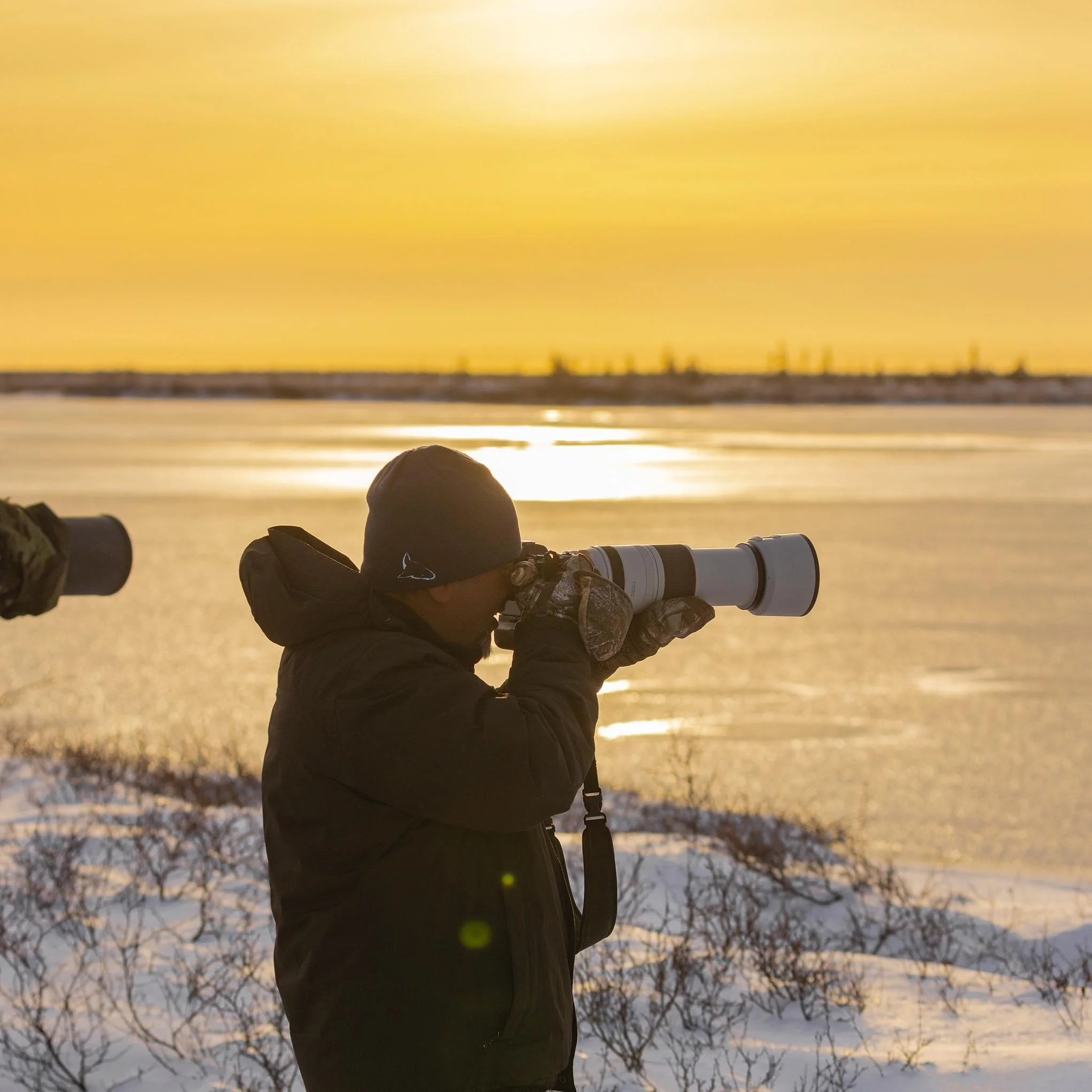
Predators won’t let you get close… even though you want too, you really should not. A good telephoto lens keeps you at a safe distance while still filling the frame with incredible detail.

Zoom Lenses (Most Versatile and travel friendly Choice)

Zoom lenses give you flexibility—which is crucial when photographing unpredictable wildlife.

🔹 100-400mm f/4.5-5.6 – Great balance between reach and portability. Perfect for handheld shots.
🔹 200-600mm f/5.6-6.3 – Excellent for open landscapes, safaris, and birds of prey.
🔹 150-600mm f/5-6.3 – Affordable, great reach, and works well for handheld shooting.

Best for: Safaris, hiking with gear, general predator photography.

Prime Lenses (Best Image Quality & Low-Light Performance)

Prime lenses deliver the sharpest images, but they require commitment to a fixed focal length.

🔹 400mm f/2.8 – The gold standard for wildlife. Incredible sharpness, amazing bokeh, but heavy.
🔹 500mm f/4 / 600mm f/4 – Best for open spaces and birds of prey, but too large for handheld use.

Best for: Professional wildlife photographers, low-light shooting, and working from a fixed position (like a safari truck or hide).

What’s the Best Lens?

If you only take one: A 100-400mm or 200-600mm gives you versatility and reach.
For working professionals: A 400mm f/2.8 + a 600mm f/4 covers everything.

Tripods vs. Handheld: Which is Best for Predator Photography?

  • Handheld Shooting – Best for bears, wolves, and fast-moving predators. Requires good technique and image stabilization.

  • Tripods / Monopods – Essential for longer prime lenses (600mm+) or when shooting in a stationary position (safaris, hides, blinds).

For safaris, a bean bag for camera stabilization is more useful than a tripod since vehicles move constantly. Gimbal heads are also great for smooth panning shots.

Must-Have Accessories for Predator Photography

Great gear doesn’t stop at cameras and lenses. These tools enhance your shooting experience and keep you prepared.

  • Teleconverters (1.4x or 2x) – Extend your zoom range without carrying extra lenses.

  • Extra Batteries & Memory Cards – Cold weather, long days—you’ll need them.

  • Rain Covers & Lens Coats – Protection from dust, rain, and scratches.

  • Polarizing & ND Filters – Control reflections on water or bright snow.

  • Remote Shutter Releases & Camera Traps – Essential for setting up remote shots of elusive predators. Camera trap photography will be part of a future blog series.

Shooting in the Wild: Preparing for the Conditions

Bears in the Wilderness

  • You may be hiking for miles with gear—lightweight equipment is crucial.

  • You’ll shoot handheld most of the time—a 100-400mm or 200-600mm is ideal.

  • Low light can be a challenge—a fast prime lens is useful for dawn and dusk.

Lions & Big Cats on Safari

  • You’ll be in a vehicle—a monopod or bean bag for stability is a game-changer.

  • You’ll want zoom flexibility—100-400mm or 200-600mm is best.

  • Expect harsh light—ND filters help in bright African sun.

But in the end, the best gear is the one that lets you capture the shot when the moment happens.

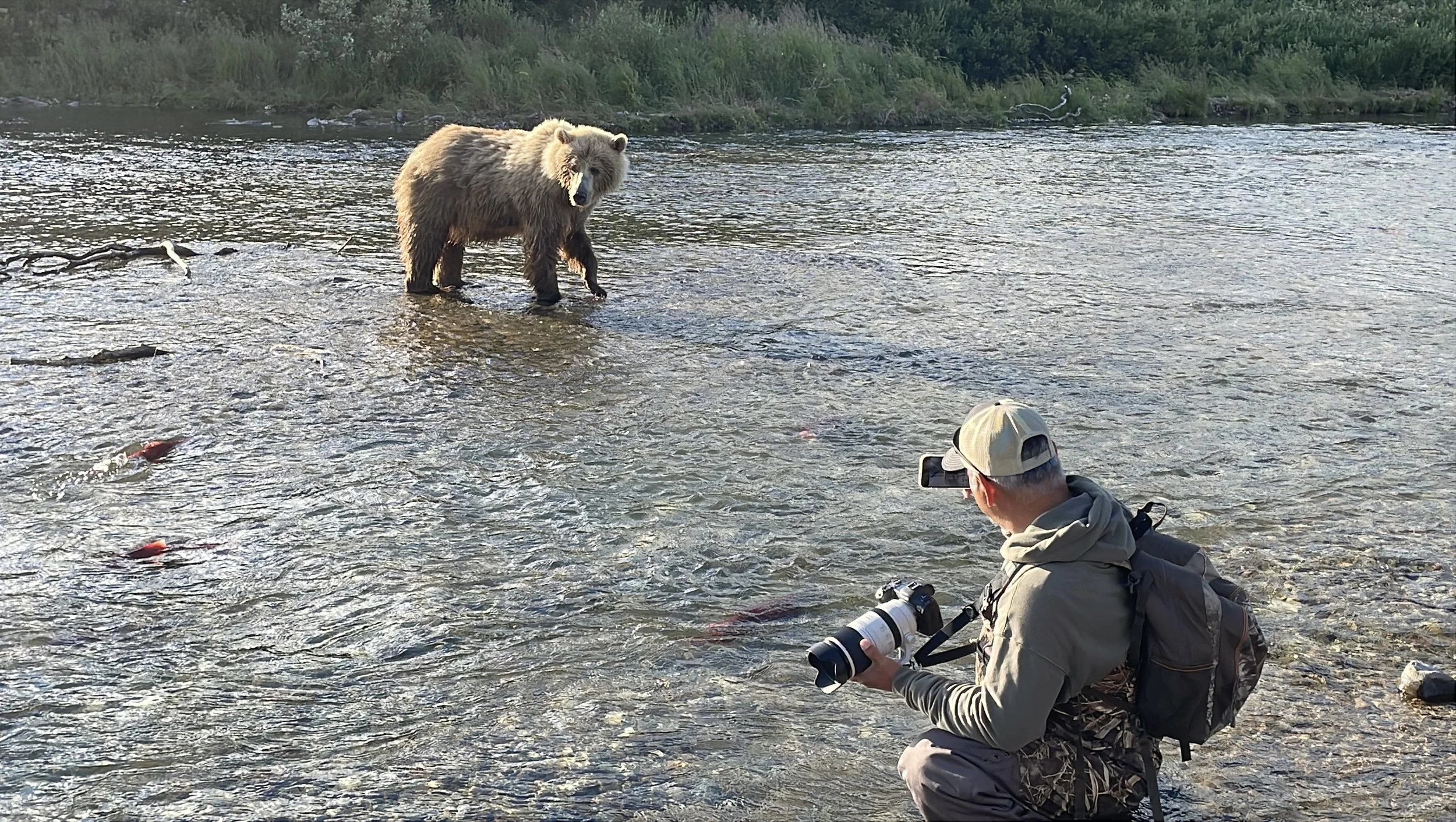
Because when a bear locks eyes with you, or a lion stares down your lens, you don’t have time to adjust.

You just have to be ready.