
photography mindset

The Camera You Brought Is Enough

I get asked about camera equipment on almost every trip.

People show up with everything you can imagine; brand new mirrorless rigs, older DSLRs, compact cameras, Gopros, phones, housings held together with hope.

Some guests feel confident. Others feel instant camera envy the moment they see what someone else is shooting with.

And I see it happen every time.

Someone looks at another guest’s setup and quietly wonders if they brought the wrong camera. If their images will somehow matter less.

If they’ll fall short.

Here’s the truth.

Yes… some cameras capture light, color, and dynamic range better than others.

That’s real. Technology moves fast.

New gear is impressive.
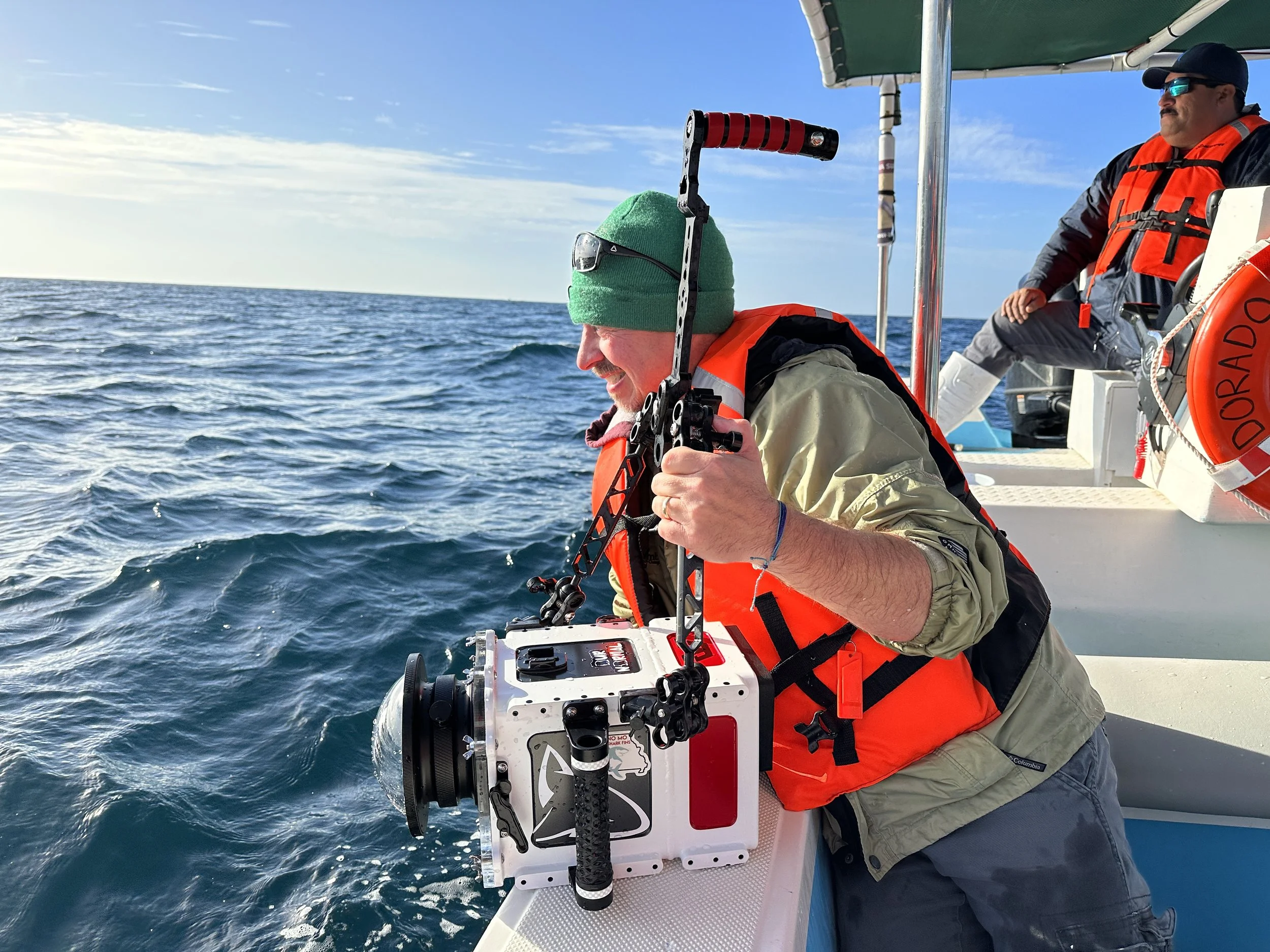
But none of that matters if you forget to enjoy the moment you’re standing in.

It’s easy to feel bad about what you brought because someone else has more.

A newer body. A faster lens. A shinier housing.

But long after the trip is over, long after you’ve edited the photos, shared them, and eventually stopped looking at them, what stays with you is the feeling of the place.

The cold water.
The silence.
The animal deciding whether to come closer.

That’s what lasts.
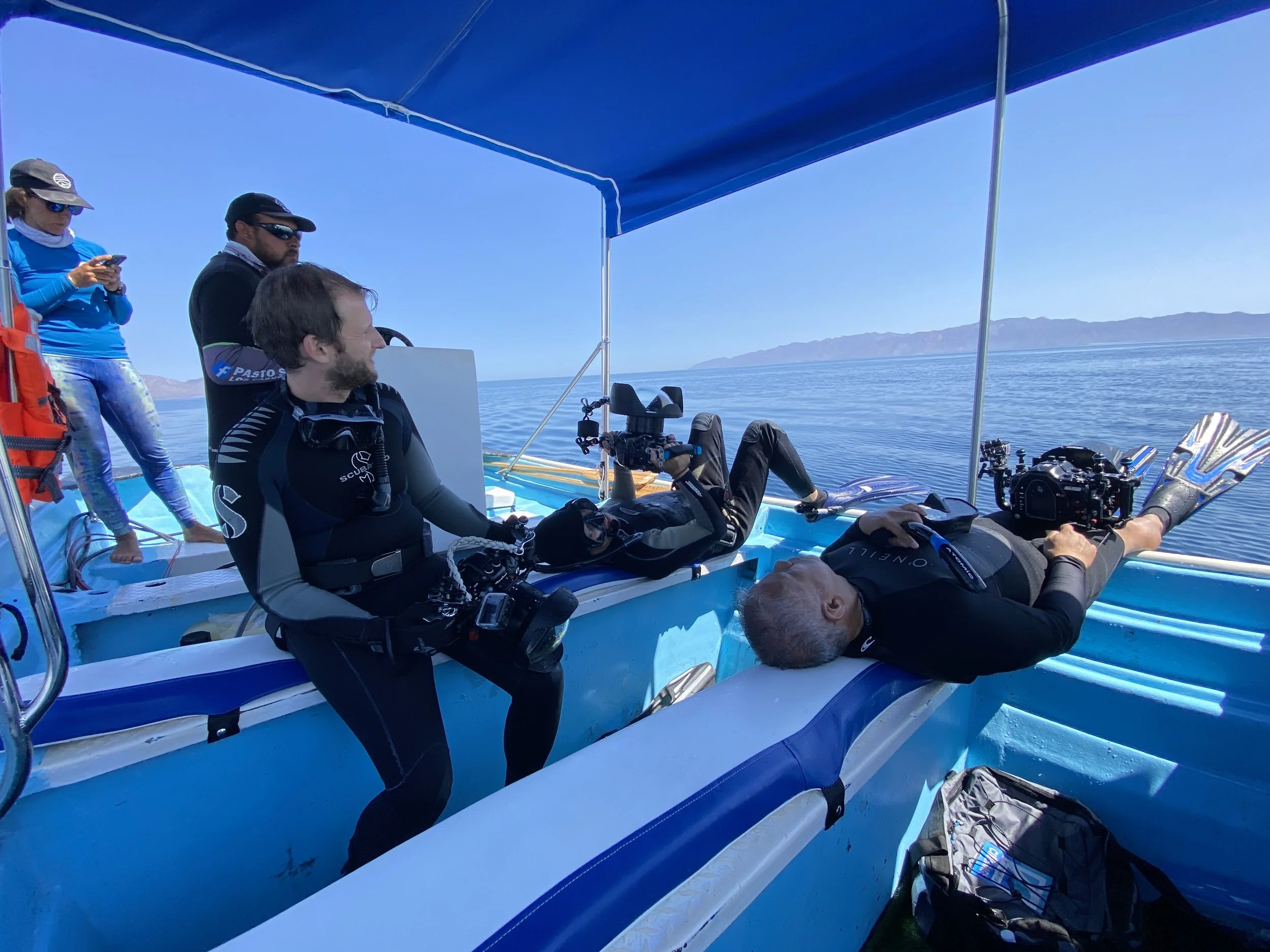
The memory you leave with will always outweigh what you captured.

I’ve been shooting with my underwater camera, Gloria, for over ten years now. By today’s standards, she’s outdated. Slower. Louder. Limited compared to the newer mirrorless rigs guests bring along.

But I know her.

I know where her limits are.
I know what light she likes, and what light she hates.
I know what I can push, and what I shouldn’t even try.

And because of that, I can get everything out of her that she has to give.
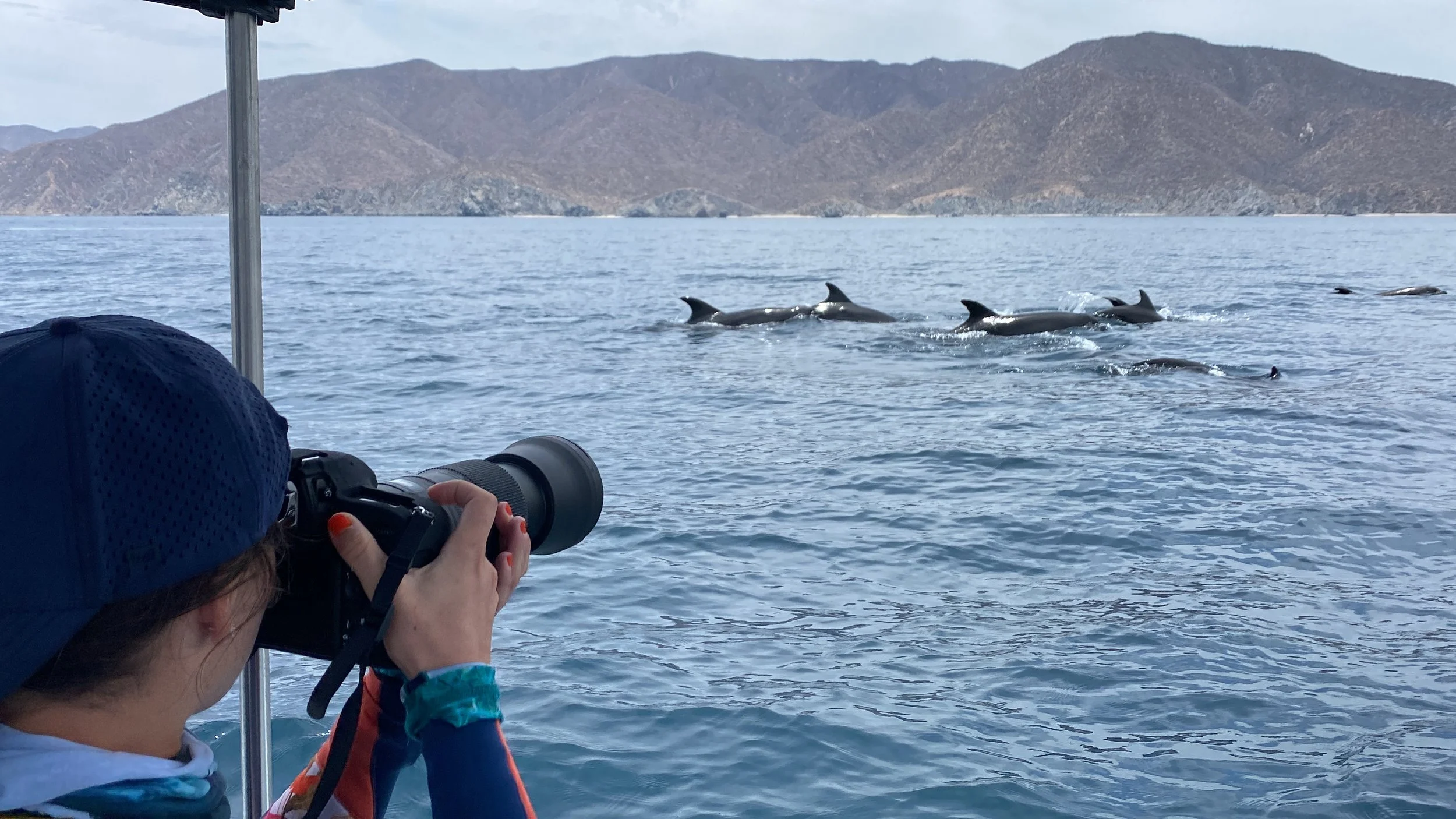
That’s my real recommendation to you.

If your camera doesn’t produce the same technical results as the newest gear, don’t panic.

Don’t compare.

Instead, ask a better question:

What can I do to get the very best out of what I already have?

Learn your camera’s strengths.
Respect its limits.
Work with the light instead of fighting it.
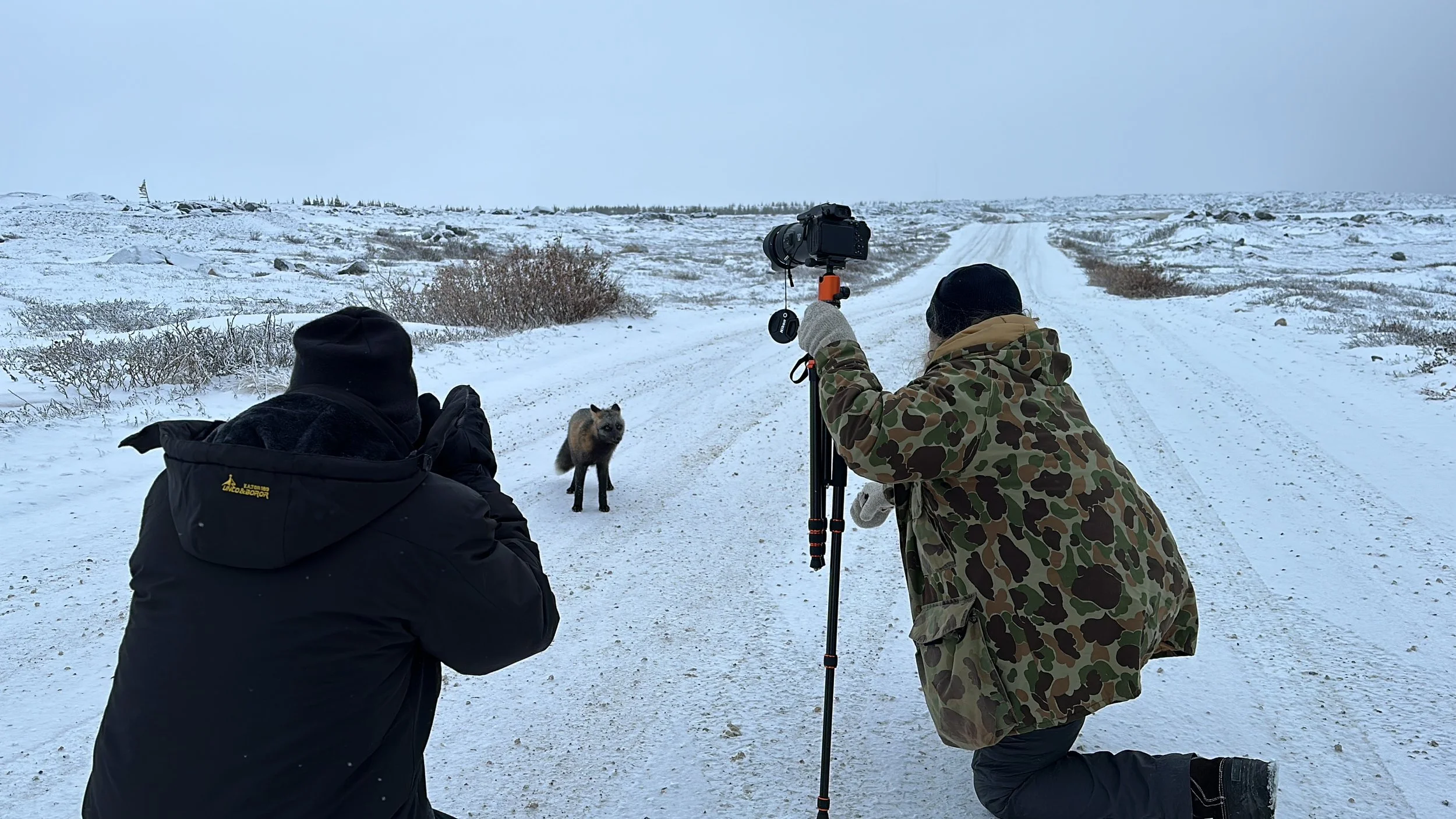
When you do that, you’ll come home with images you’re proud of, and more importantly, memories that still feel alive when the photos are put away.

Because in the end, the goal isn’t perfect images.

It’s being there when something real happens.

And no camera, no matter how expensive, can do that part for you.

ALWAYS Bring Your Camera!

IMG_4056.JPG

There’s a stretch of country road I drive almost daily here in South Texas, whenever I’m home. It runs alongside a wide brush field—raw land growing wild with cactus, tall grasses, and scattered mesquite trees. As soon as I hit that road, I instinctively slow down and start scanning the field. There’s almost always a herd of wild nilgai grazing out there.

They’re never close. But they’re there. Every day.

I usually pull over for a few minutes to watch them. Even from a distance, their size is impressive—nilgai are massive antelopes, striking and out of place in a way that makes you look twice.

I’ve always wanted to photograph them. Not from across two football fields, but up close. Close enough to show the texture in their coats, the power in their build, the wary look in their eyes. But they always keep their distance, so I’ve contented myself with just watching—at least for now.

Still, it makes me happy. Happy to know that places like this still exist. That here, in my own backyard, there’s land wild enough for animals to stay wild.

nilgi 2.jpg

Of course, nilgai don’t actually belong here in South Texas. They’re native to the northern Indian subcontinent. But in the 1930s, the King Ranch imported a few for game hunting. The species adapted quickly and flourished. Today, the population in South Texas is estimated at around 37,000.

Because they’re considered invasive, nilgai can be hunted year-round—and they know it. The local population is incredibly skittish. Anytime I pull over, even at a distance, their ears snap to attention. Moments later, they begin their slow retreat into the thick brush, taking no chances.

But then... magic happened.

After seeing them out there for weeks, one afternoon I spotted them much closer to the road. Close enough for some clean shots with a 400mm lens. It was a group of male bachelors—the kind of moment I’ve been waiting for. The males are giants, sometimes tipping the scales at 700 pounds. They are powerful, beautiful animals.

And guess what? I didn’t have my camera.

Not even my backup. Gloria (my main camera) was sitting at home. All I could do was watch in frustration, cussing and kicking myself for leaving it behind. It was one of those perfect wildlife moments… and I missed it.

Lesson learned. Again.

bucks.jpg

After that brain fart, I’ve been bringing my camera with me every time. Of course, since then, I’ve only seen the nilgai way out in the distance again. But I’m happy to report I did manage to capture a few images—nothing I’m crazy about, but a few decent landscape-style shots, and some with the early morning fog rolling in, which gave them a nice moody feel.

What I’m really after, though, is a close-up of a big buck—face forward, looking straight into the lens, that massive neck filling the frame. That’s the shot I want. So I’ll keep showing up, camera in hand, waiting for the day the nilgai get brave enough to wander in close and give me that moment.

This a good perspective shot to see the size difference between a nilgai buck near a white tailed deer

This a good perspective shot to see the size difference between a nilgai buck near a white tailed deer

I’ll be back out there tomorrow, hoping it’s my lucky day.
Until next week, my friends…

Thanks for reading.