storytelling through photography

The Camera You Brought Is Enough

I get asked about camera equipment on almost every trip.

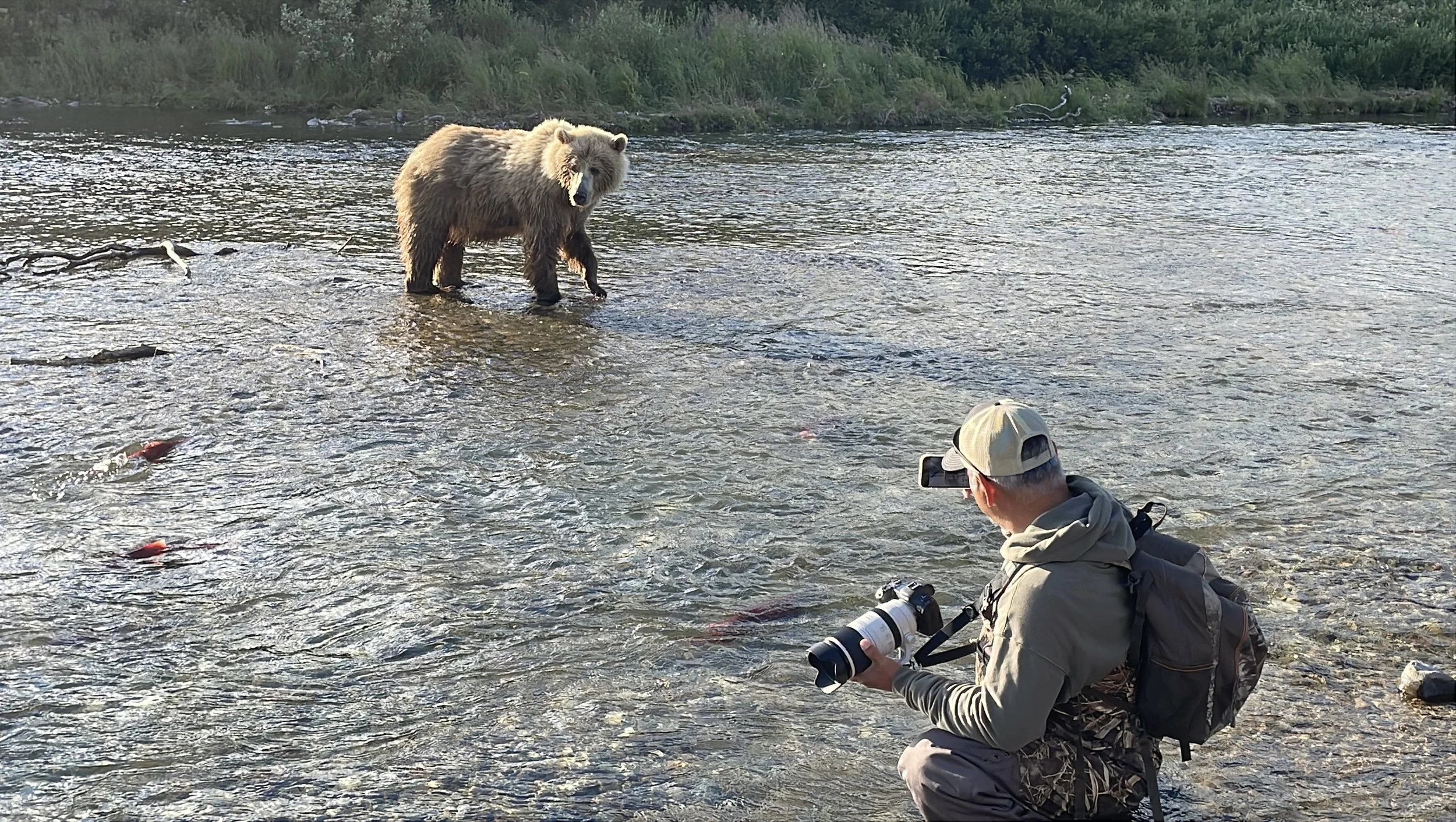
People show up with everything you can imagine; brand new mirrorless rigs, older DSLRs, compact cameras, Gopros, phones, housings held together with hope.

Some guests feel confident. Others feel instant camera envy the moment they see what someone else is shooting with.

And I see it happen every time.

Someone looks at another guest’s setup and quietly wonders if they brought the wrong camera. If their images will somehow matter less.

If they’ll fall short.

Here’s the truth.

Yes… some cameras capture light, color, and dynamic range better than others.

That’s real. Technology moves fast.

New gear is impressive.
But none of that matters if you forget to enjoy the moment you’re standing in.

It’s easy to feel bad about what you brought because someone else has more.

A newer body. A faster lens. A shinier housing.

But long after the trip is over, long after you’ve edited the photos, shared them, and eventually stopped looking at them, what stays with you is the feeling of the place.

The cold water.
The silence.
The animal deciding whether to come closer.

That’s what lasts.
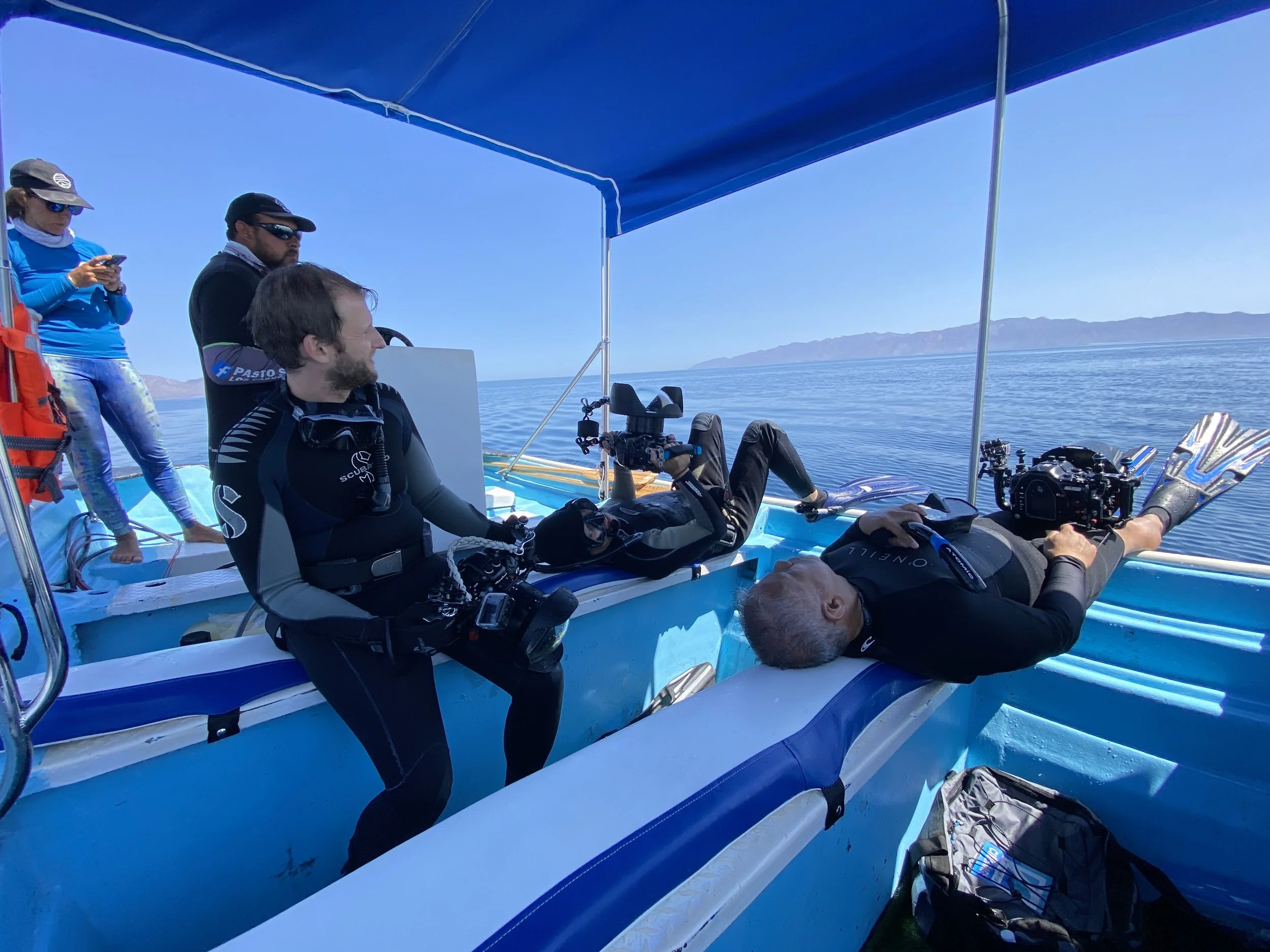
The memory you leave with will always outweigh what you captured.

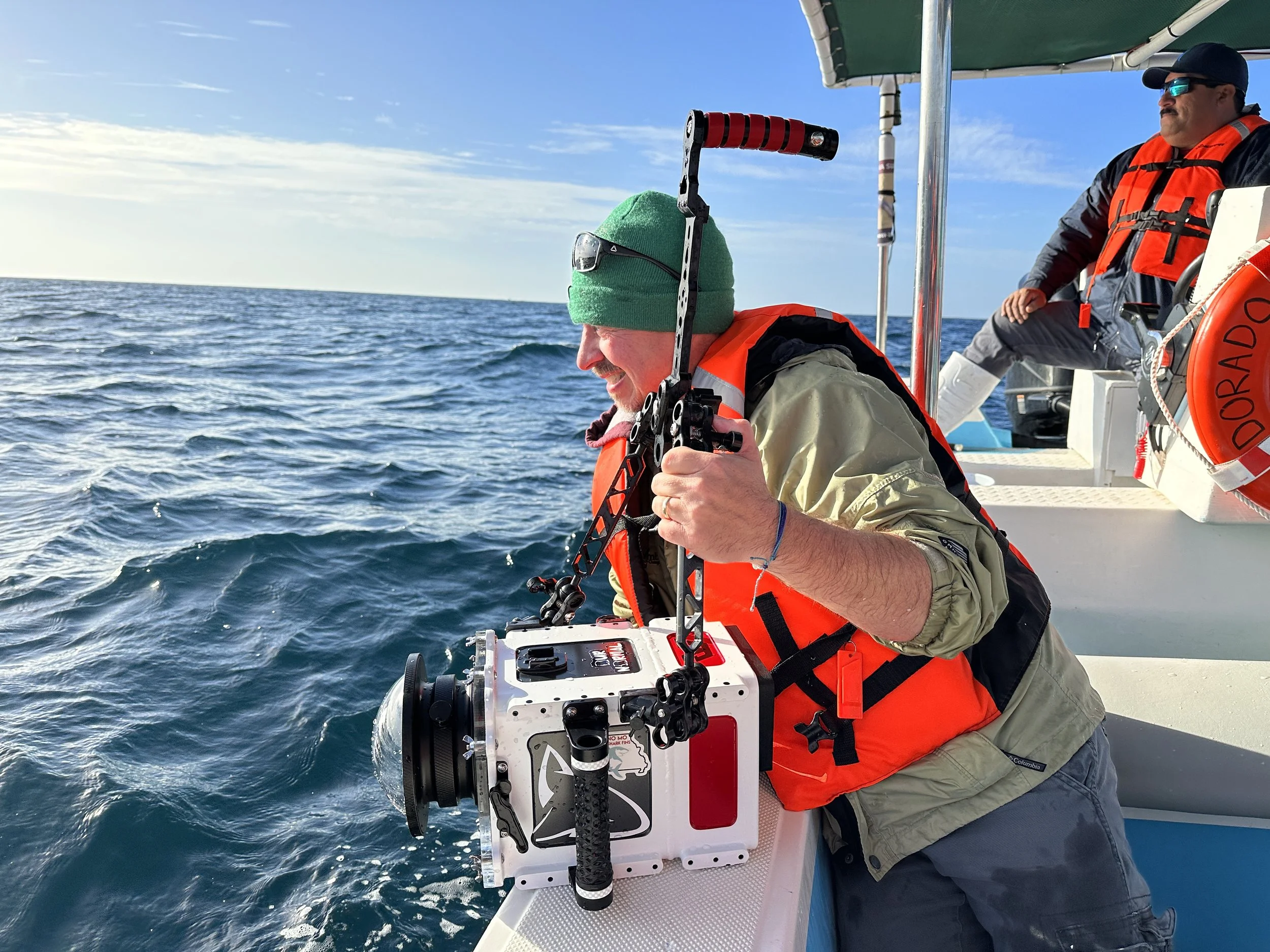
I’ve been shooting with my underwater camera, Gloria, for over ten years now. By today’s standards, she’s outdated. Slower. Louder. Limited compared to the newer mirrorless rigs guests bring along.

But I know her.

I know where her limits are.
I know what light she likes, and what light she hates.
I know what I can push, and what I shouldn’t even try.

And because of that, I can get everything out of her that she has to give.
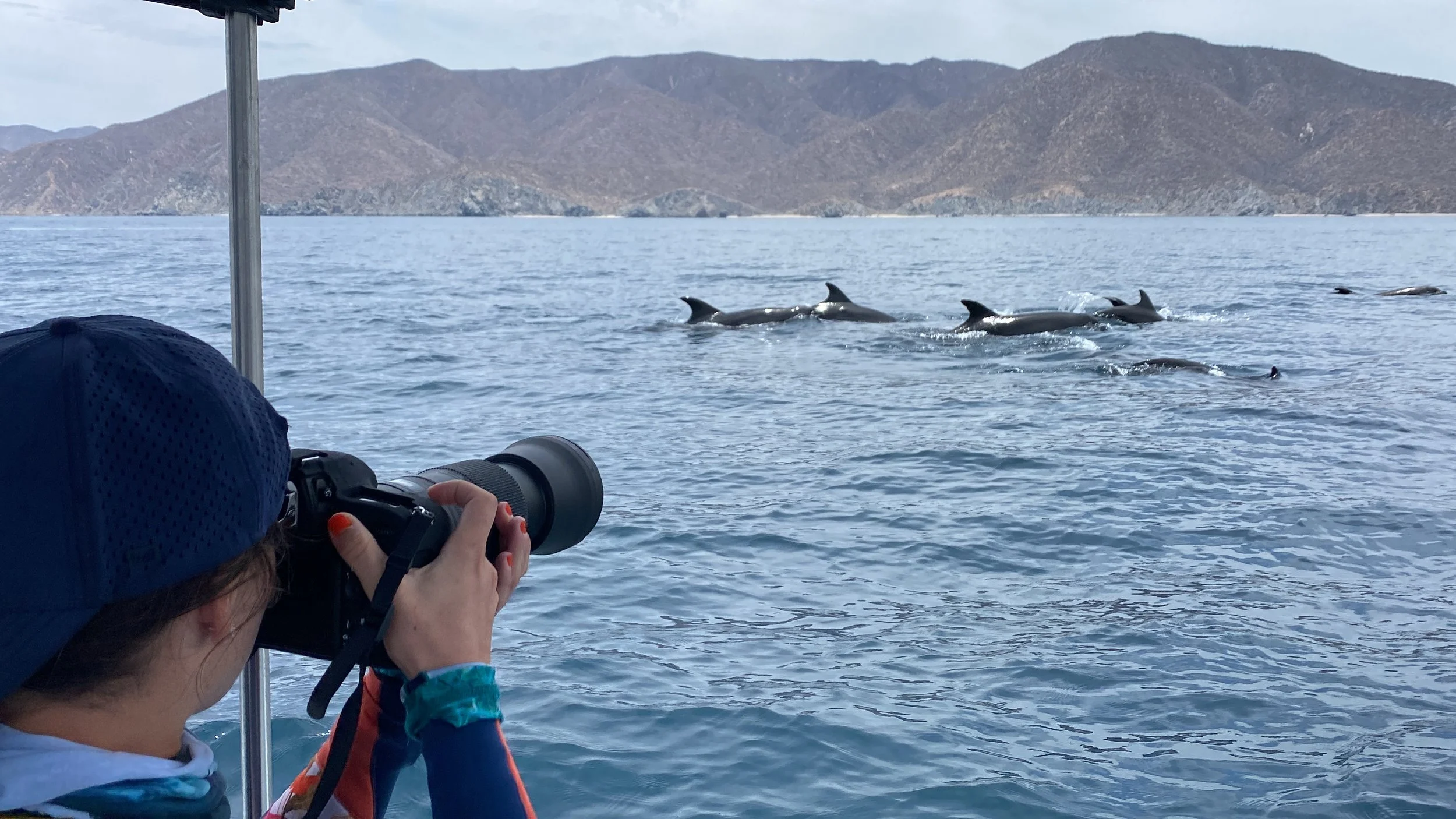
That’s my real recommendation to you.

If your camera doesn’t produce the same technical results as the newest gear, don’t panic.

Don’t compare.

Instead, ask a better question:

What can I do to get the very best out of what I already have?

Learn your camera’s strengths.
Respect its limits.
Work with the light instead of fighting it.
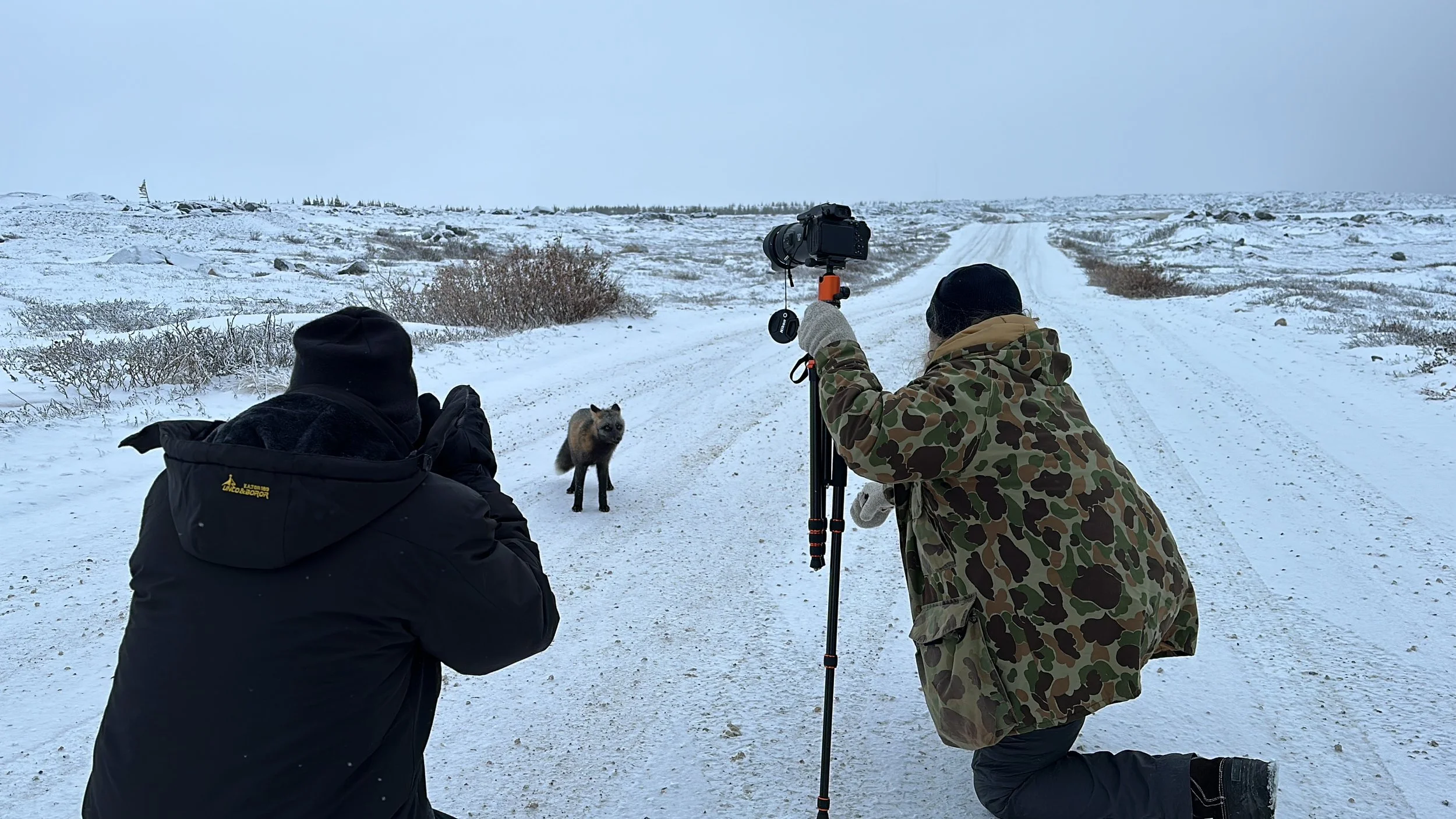
When you do that, you’ll come home with images you’re proud of, and more importantly, memories that still feel alive when the photos are put away.

Because in the end, the goal isn’t perfect images.

It’s being there when something real happens.

And no camera, no matter how expensive, can do that part for you.

Through the Lens: Capturing Wildlife Moments That Tell a Story

Wildlife photography is so much more than just taking a picture. It’s about telling a story—one that evokes emotion, inspires awe, and sometimes even drives conservation efforts.

Through your lens, you’re not just capturing an image; you’re sharing a piece of the natural world that many people will never experience firsthand.

Polar Bears Play wrestling in the Churchill River, Canada. 1/5000, f5.6, ISO 1250

Great wildlife photography begins long before you press the shutter.

It starts with understanding animal behavior, researching the environment, and having the right gear for the job. Having good guides that know when and where to find your subject can make all the difference in the world.

Juvenile Elephant Seal. Patagonia, Argentina. 1/1600, f5.6, ISO 250

Timing your trips around migrations or mating seasons can provide incredible opportunities to witness unique behaviors.

Mating Atlantic Spotted Dolphins off Bimini, Bahamas. 1/500, f8, ISO 1000

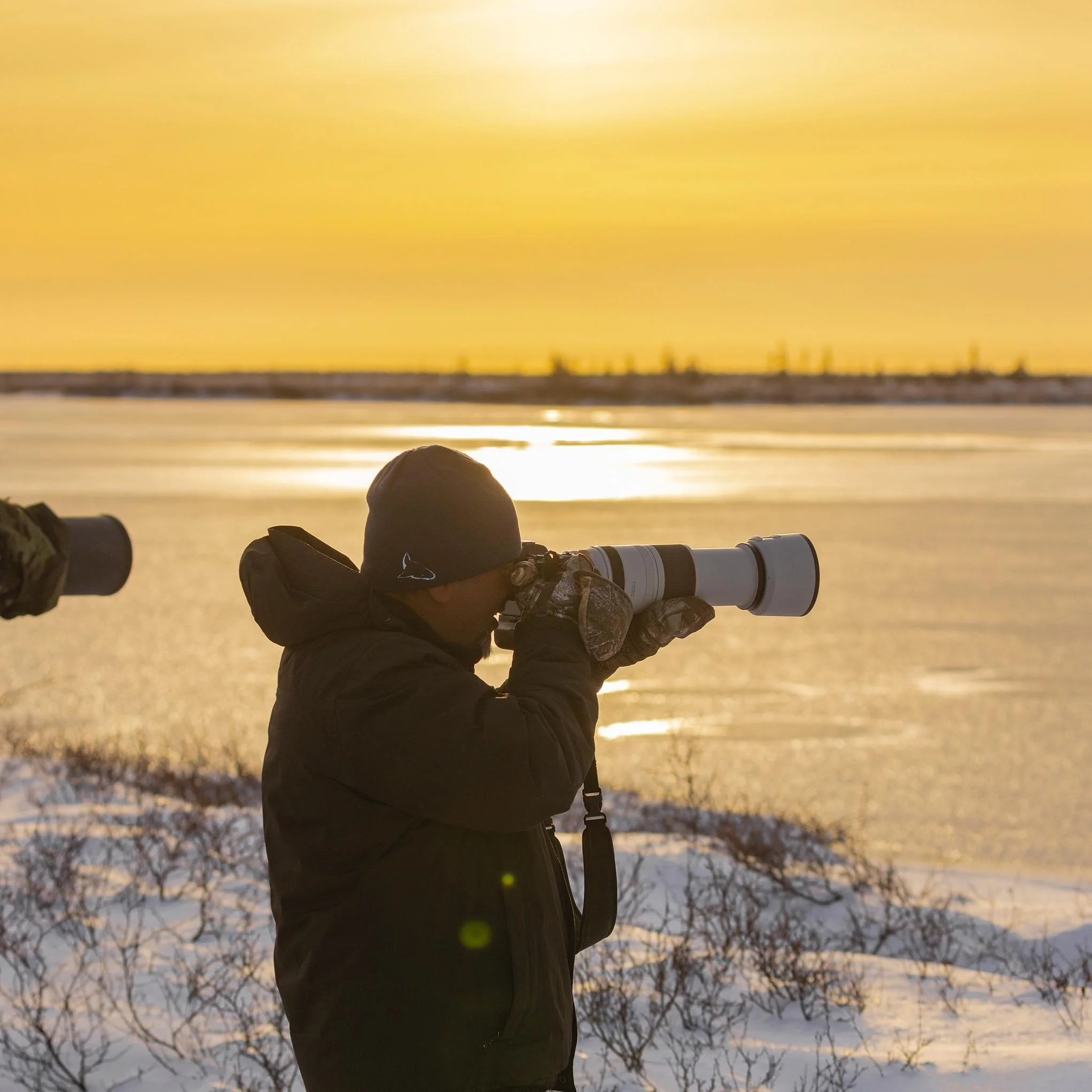
Equally important is your equipment. While you don’t need the fanciest gear, having the right lens and a camera that performs well in low light can help make your shots better.

Arctic Fox off Churchill, Canada. 1/1600, f11, ISO 640

HOT TIP. Always carry extra batteries and memory cards—you never know when the perfect moment will happen. If nothing else I shared doesn’t resonate, remember this tip… I learned this one the hard way.

Blue Sheep Kibber Valley, Himalayas, India. 1/2500, f11, ISO 2000

Capturing dramatic compositions is key to creating images that stand out.

Use natural light to your advantage, whether it’s the golden glow of sunrise or the soft hues of sunset. Pay attention to your background and how it might complement your subject.

Sealion hunting baitballs off Magdalena Bay, Baja. 1/500, f8, ISO 1250

For fast-moving animals, mastering your camera’s focus settings is essential. Practice panning with moving subjects to achieve sharp focus on the animal while keeping a sense of motion in the image. And don’t be afraid to experiment—sometimes, the unexpected angles produce the most compelling results.

Jaguar hunting a yellow anaconda, Northern Pantanal Brazil. 1/4000, f5.6, ISO 1600

Wildlife photography comes with a responsibility to respect the animals and their environment.

Always keep a safe distance and avoid actions that could stress or disrupt the animal’s natural behavior. Remember, a great shot is never worth compromising the well-being of the wildlife you’re photographing.

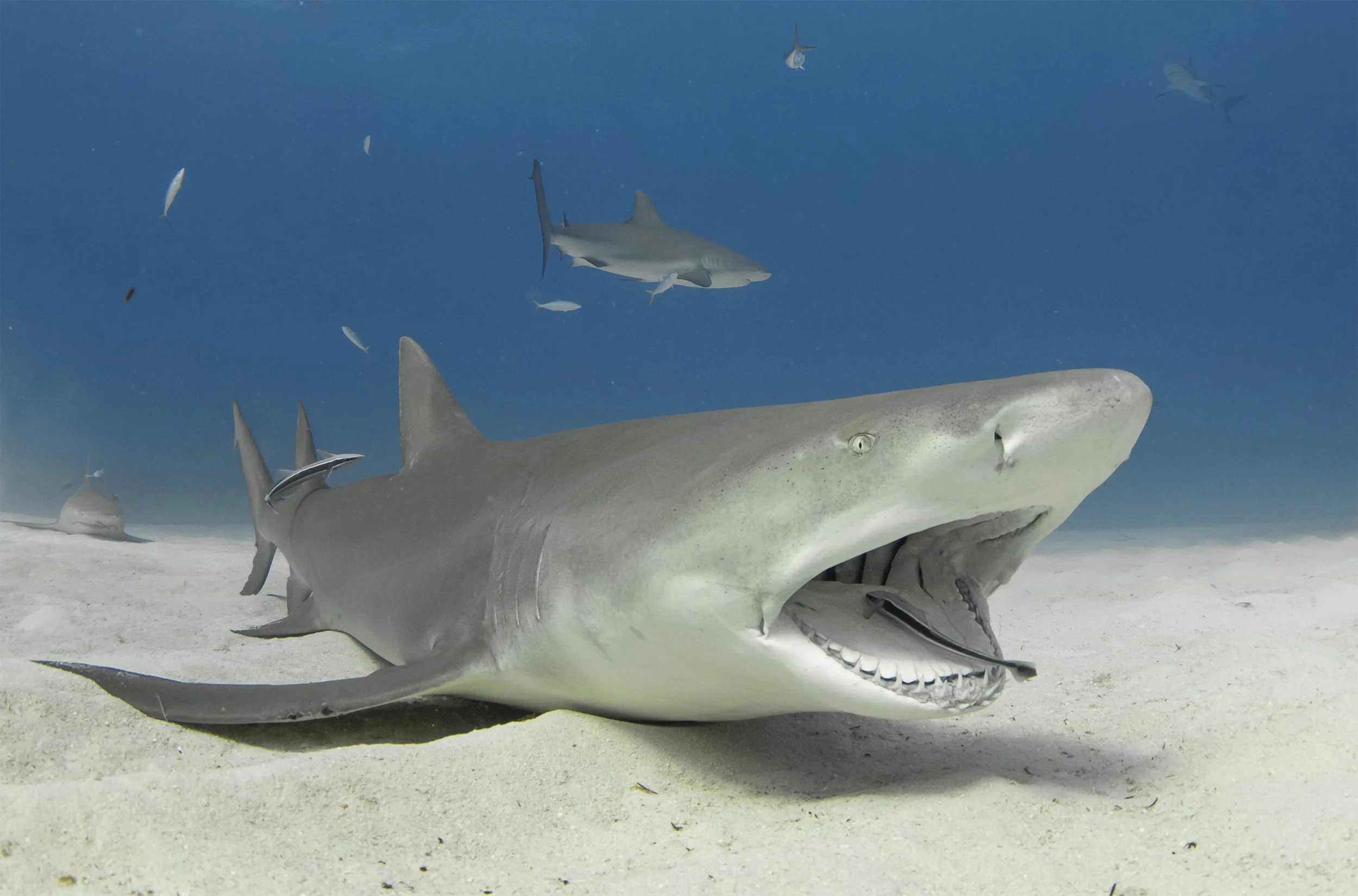
Lemon Shark getting its teeth cleaned by a young remora off Tiger Beach. 1/320, f9, ISO 400.

While portraits of animals are beautiful, my personal favorite images are behavior shots.

There’s something magical about capturing an animal in action—whether it’s a whale breaching, a bird feeding its chicks, or a predator stalking prey.

Behavior images tell a story and bring the animal’s world to life in a way that static portraits simply cannot.

Bobcat catching red winged blackbird, Rio Grande Valley, Texas. 1/1000, f7.1, ISO 5000

One of my most memorable shots was of a bobcat catching a bird while jumping through the air. The image was not perfect, however the long hours we put into trying to capture this wild moment is why this image will forever be one of my favorites.

Giant River Otters, Northern Pantanal, Brazil. 1/1600, f7.1, ISO 1000

Wildlife photography is a journey of patience, skill, passion, and a lot of luck!

Each image you capture is a window into the natural world. It is your chance to inspire, educate, and protect our beloved wildlife.

So grab your camera, step into the wild, and start telling stories.