
habitat destruction

When Boardrooms Decide What Lives and Dies

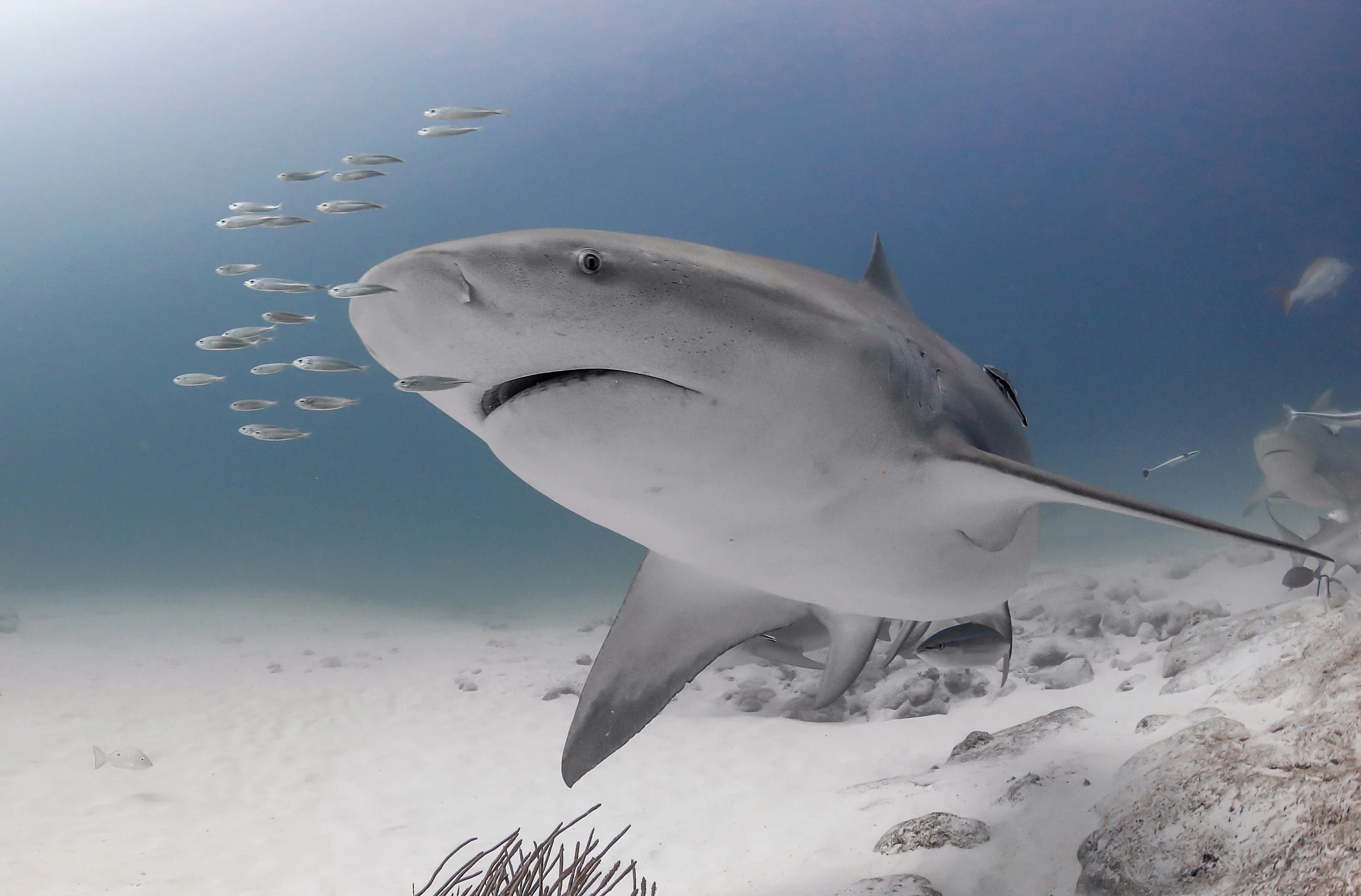
Many years ago, when I was the editor of Shark Diver Magazine, I was invited to sit in on a meeting in Cancún, Mexico.

The room was filled with hotel owners and tourism stakeholders.

 They were there to discuss a problem.

Sharks.

Specifically, the rise in shark encounters with people along their coast.

The question being debated was straightforward and deeply unsettling:

What should be done about them?

Culling was discussed.

More lifeguards were discussed.

Liability, and profit were carefully weighed.
What was not discussed was why the sharks were there in the first place.

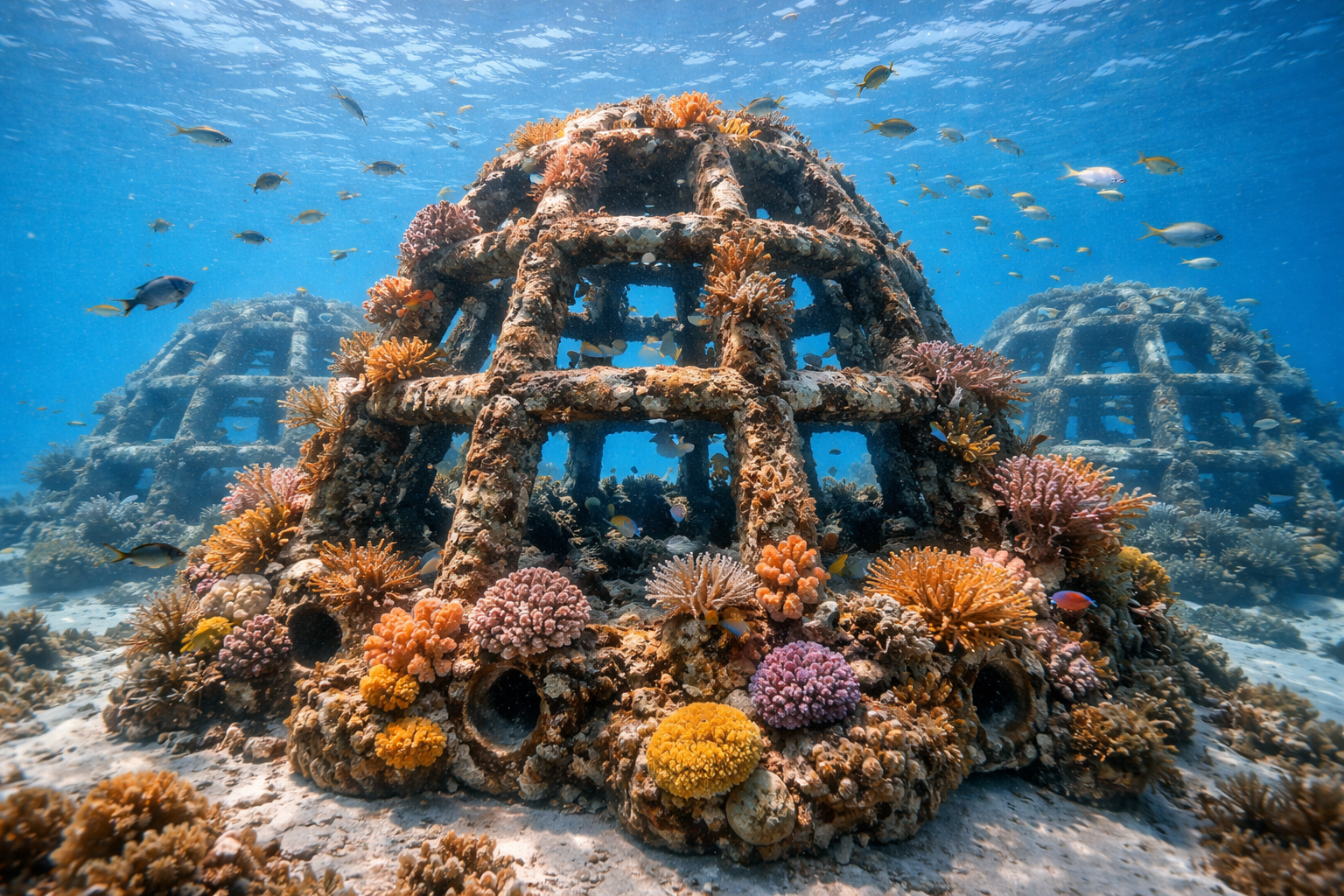
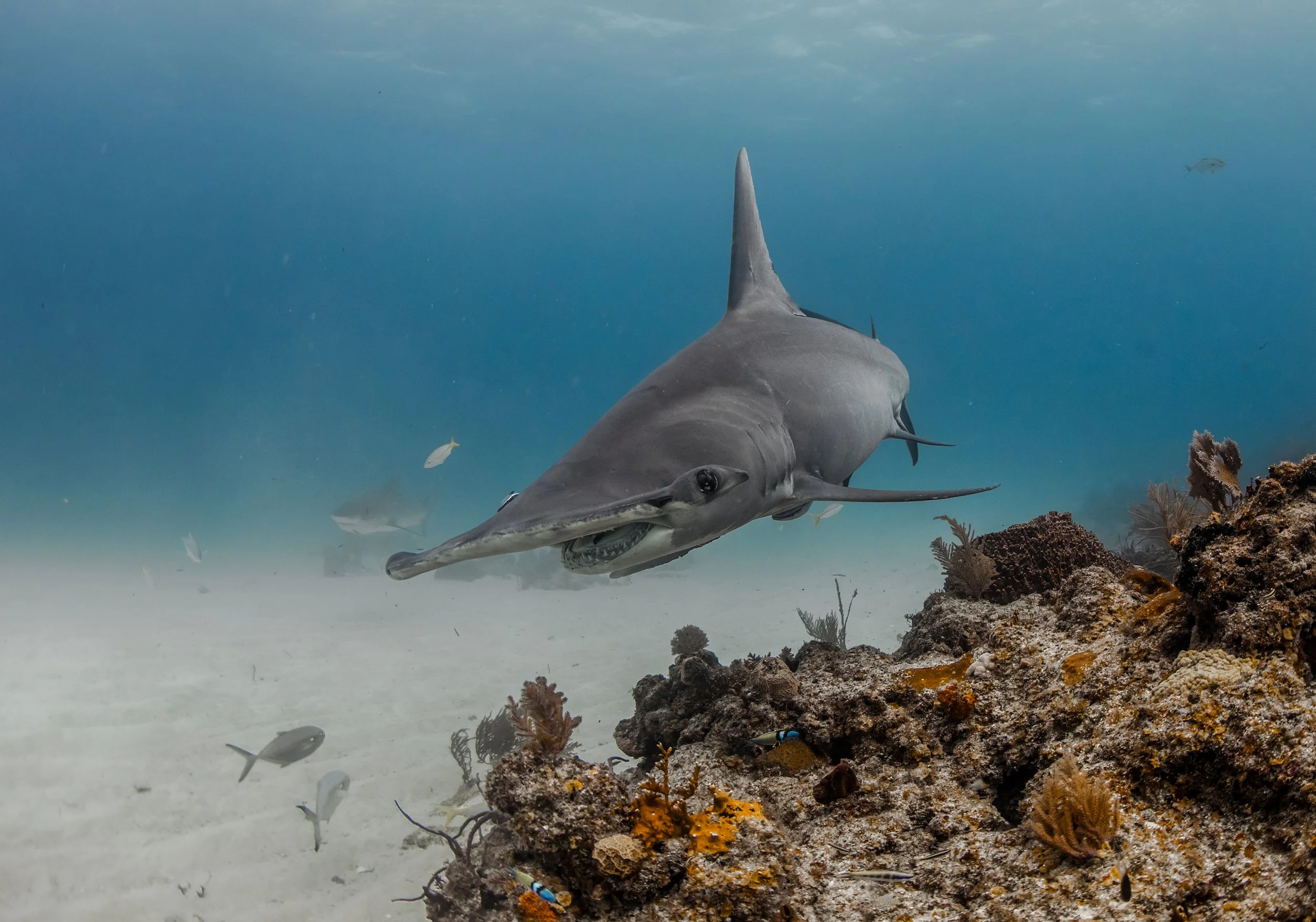
Along that stretch of coastline, massive artificial reefs made of concrete structures had been placed offshore to prevent beach erosion. 

The project worked. The beaches stabilized. Tourism thrived.

But those same structures also created habitat.

Small fish arrived.
Reef life flourished.
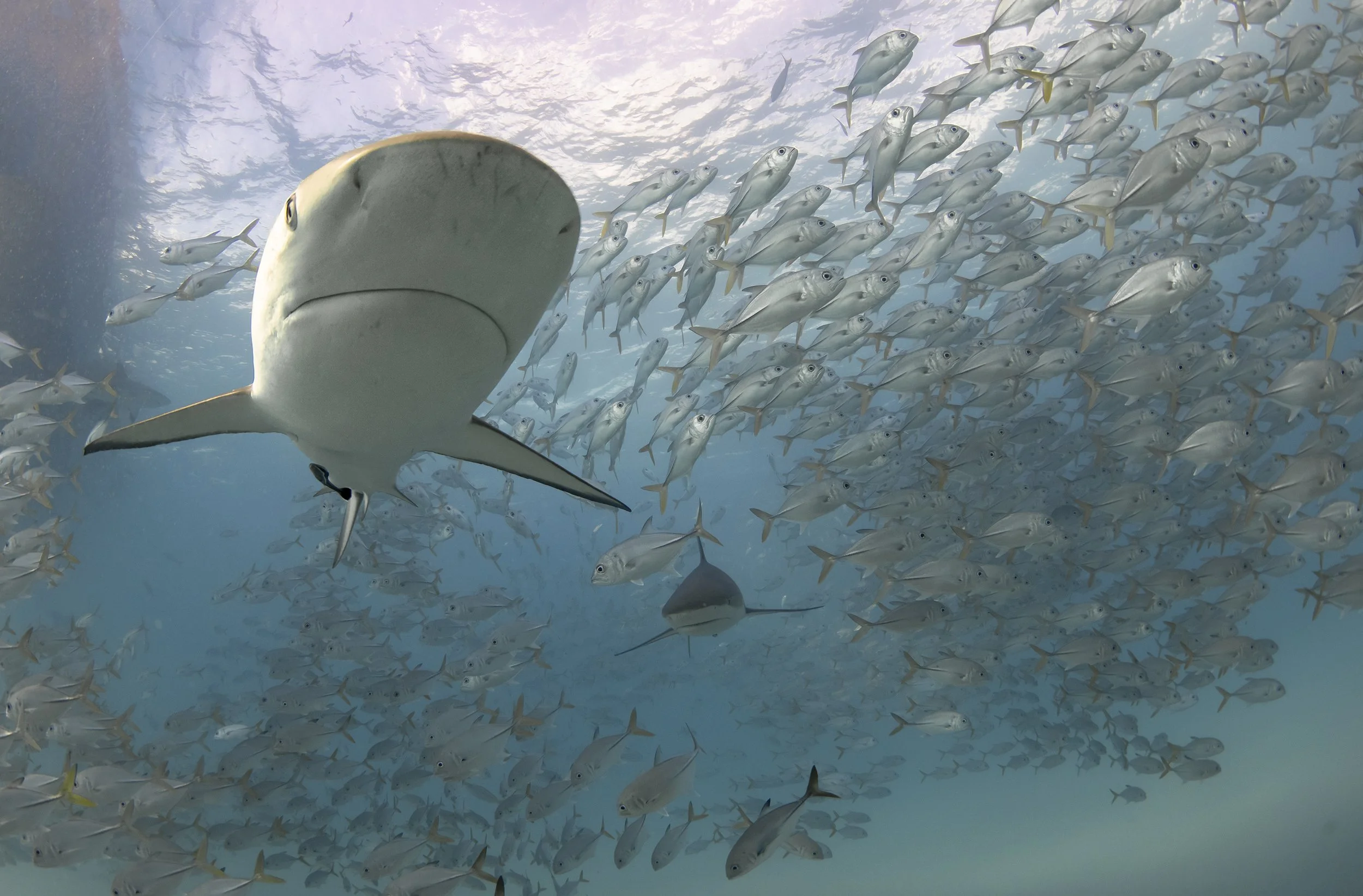
And behind them came the predators.

The sharks weren’t invading anything.

They were responding exactly as nature does when opportunity appears.
Yet in that room, the conversation wasn’t about coexistence, or about understanding the ecosystem they had altered. 

It was about whether these animals, doing what evolution created them to do, should be killed because they had become inconvenient.

Sitting there, I felt helpless.

But it became painfully clear to me:

Nature no longer decides what gets to live or die.

We do.

And those decisions are often made far from the water, far from the forest, and far from the consequences… inside boardrooms where balance sheets carry more weight than ecosystems.
Sadly, this isn’t an isolated story.

Our oceans are overfished and polluted.

Forests are cut down faster than they can recover.

Species that once lived or died according to Nature’s Law are now subject to quarterly profits and corporate agendas.

We’ve convinced ourselves that we’re managing nature.

In reality, we’re breaking systems we barely understand.

There is nothing intelligent about destroying the ecosystems that keeps us all alive.

And yet, we continue.
I don’t pretend to have all the answers.

I don’t think anyone does.

This isn’t a call for perfection… It’s a call to care.

We may not sit in those boardrooms, but we live downstream from their decisions.

And when we protect our wild places, we’re not just saving animals or landscapes.

We’re saving ourselves.
Conservation Starts in Your Backyard

We often think of conservation as something that happens in distant lands, deep in the Amazon, under Arctic ice, or on remote coral reefs.

But the truth is, conservation begins much closer to home.

It starts in our backyards, in the spaces just beyond our doorsteps. And what we do in these small spaces matters far more than most of us realize.

Nature is deeply connected.

What happens in your yard, your neighborhood, your town, ripples outward.

The fertilizer you use, the trees you plant (or cut down), the wildlife you welcome or chase away... it all echoes beyond your fence line.

Where I live in South Texas, we were once one of the world’s top bird-watching destinations. Our skies were filled with vibrant migrations, hundreds of species passing through, season after season.

But I’ve seen it change… Fast.

Habitat destruction, the heavy use of pesticides, and the disappearance of wild spaces are pushing our birds away, or worse, pushing them to extinction. Every year, the number of birds that make their way through here shrinks.

It’s not a slow fade anymore… It’s alarming.

And it’s not just birds. Insects. Mammals. Reptiles. It’s all connected.

A bird loses its nesting ground because we removed a native tree. That loss affects the insects it feeds on, the predators that rely on it, and the plants that relied on its movement for pollination.

It’s a domino effect… And we’re seeing those dominos fall.

I’ve spent years traveling the world photographing wildlife, from gorillas in Uganda to polar bears in the Arctic. And I’ve learned that the health of the wildest places is directly influenced by the choices we make in the tamest ones.

We’re part of this system too.

The more we care for the patch of earth we’re standing on, the more likely we are to protect the rest of it.

Conservation doesn’t just belong to scientists or global organizations. It belongs to all of us.

So let’s start small.

Let native plants grow wild. Put up a water bowl for the birds. Skip the pesticides.

Teach your kids to love snakes instead of fear them. Celebrate the raccoons and coyotes and opossums that pass through your neighborhood.

They’re part of the web too.

Because when you care for your backyard, you’re not just helping your local ecosystem, you’re helping the planet… One connected piece at a time.