protecting wild places

When Boardrooms Decide What Lives and Dies

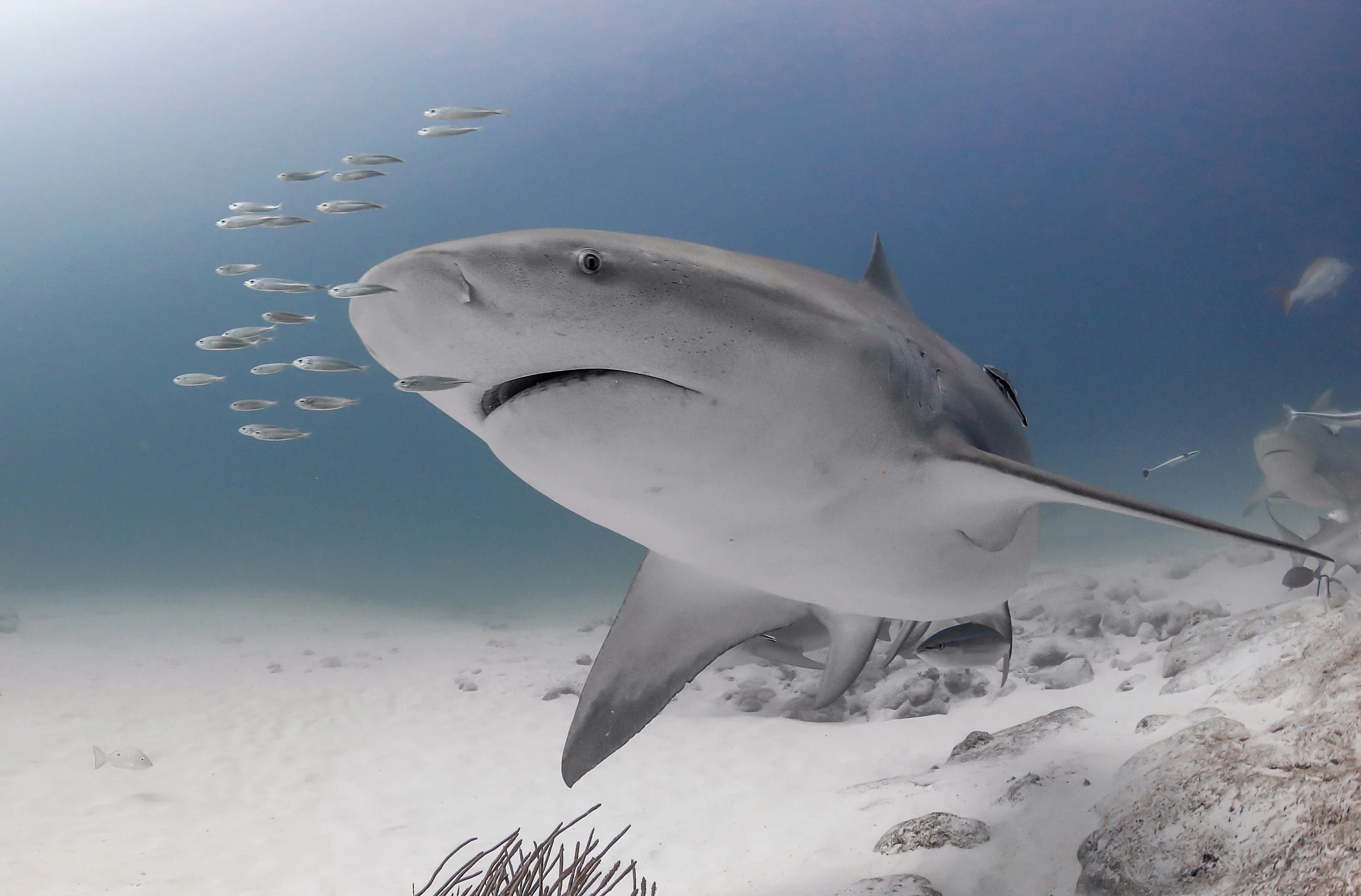
Many years ago, when I was the editor of Shark Diver Magazine, I was invited to sit in on a meeting in Cancún, Mexico.

The room was filled with hotel owners and tourism stakeholders.

 They were there to discuss a problem.

Sharks.

Specifically, the rise in shark encounters with people along their coast.

The question being debated was straightforward and deeply unsettling:

What should be done about them?

Culling was discussed.

More lifeguards were discussed.

Liability, and profit were carefully weighed.
What was not discussed was why the sharks were there in the first place.

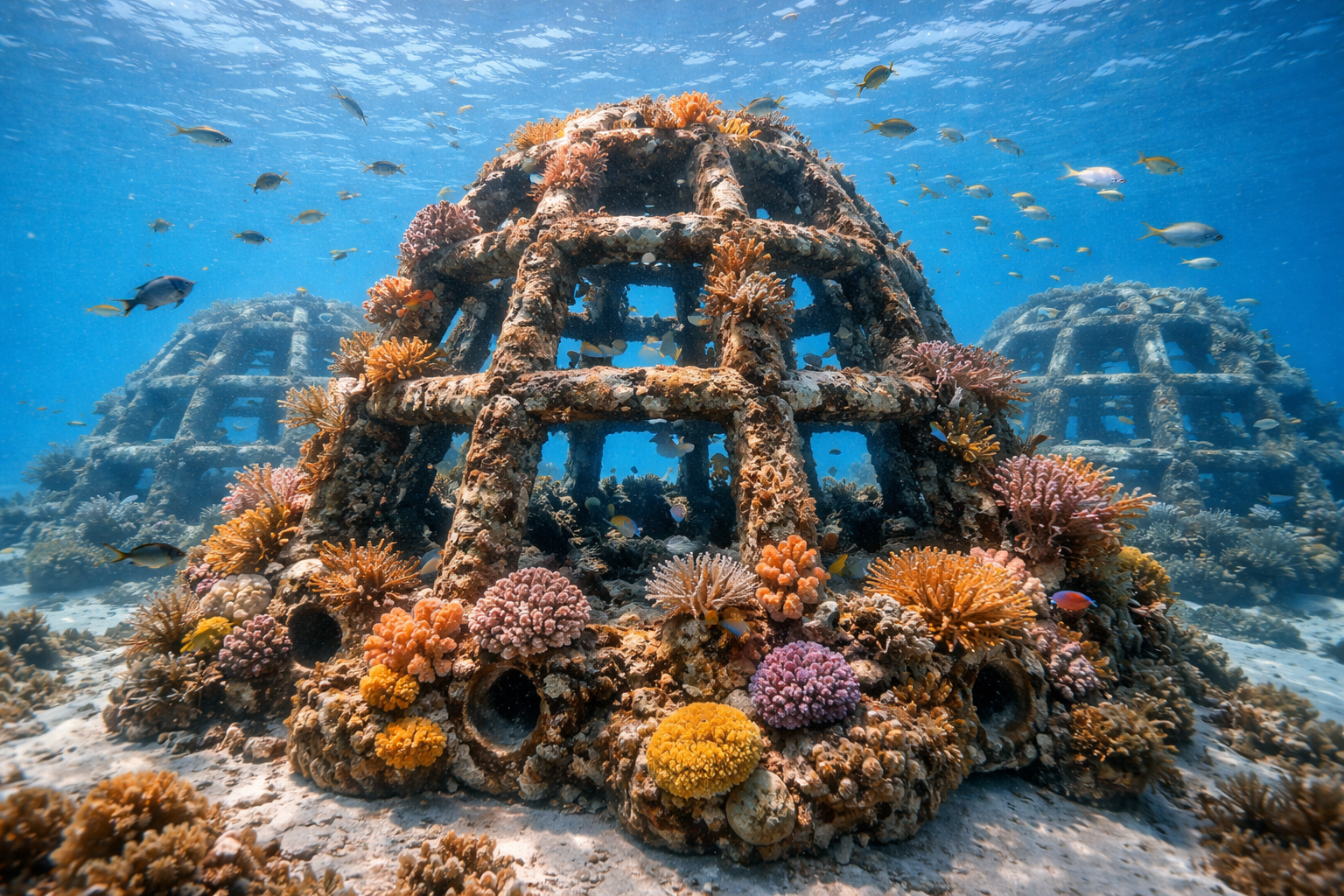
Along that stretch of coastline, massive artificial reefs made of concrete structures had been placed offshore to prevent beach erosion. 

The project worked. The beaches stabilized. Tourism thrived.

But those same structures also created habitat.

Small fish arrived.
Reef life flourished.
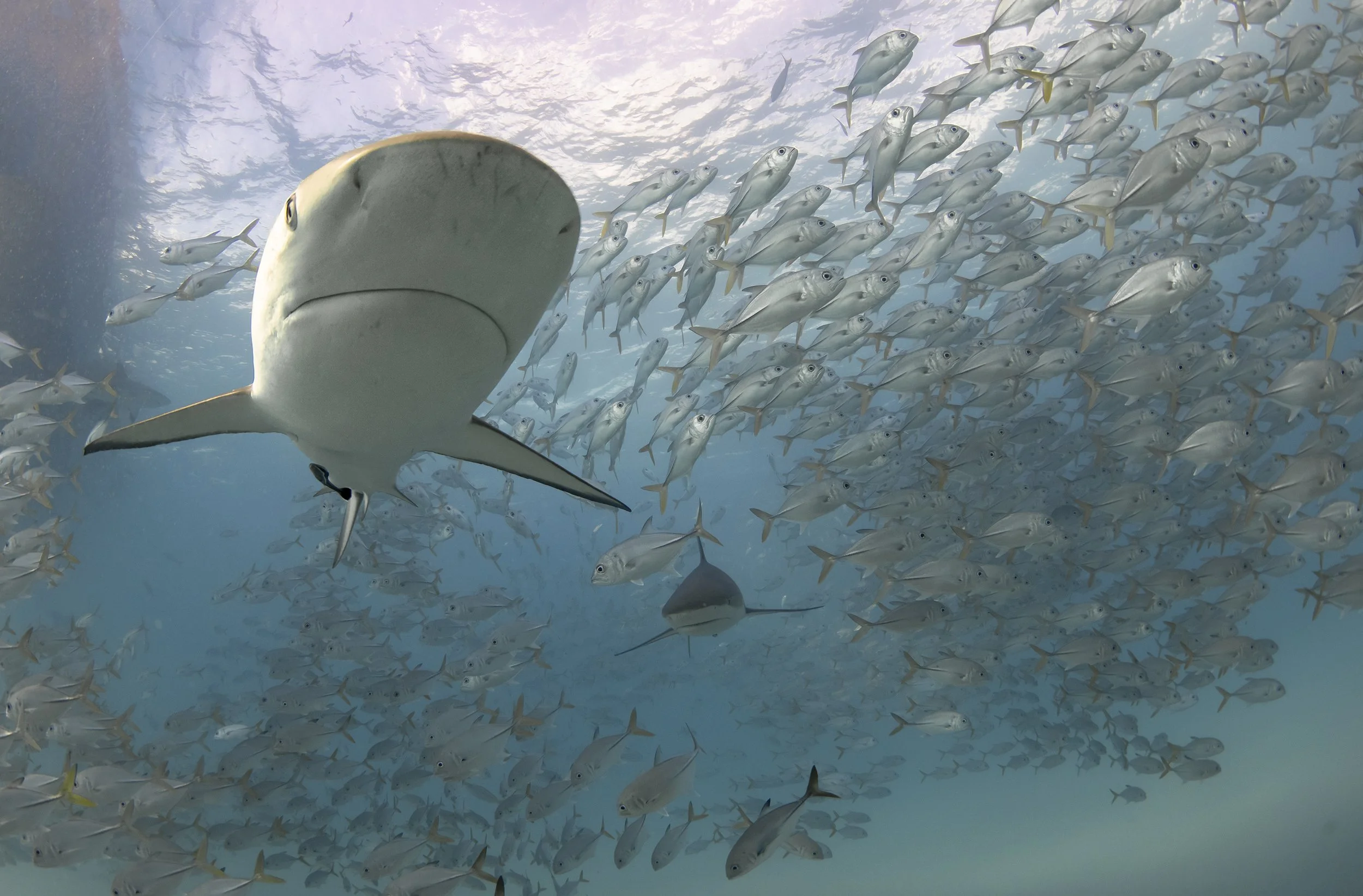
And behind them came the predators.

The sharks weren’t invading anything.

They were responding exactly as nature does when opportunity appears.
Yet in that room, the conversation wasn’t about coexistence, or about understanding the ecosystem they had altered. 

It was about whether these animals, doing what evolution created them to do, should be killed because they had become inconvenient.

Sitting there, I felt helpless.

But it became painfully clear to me:

Nature no longer decides what gets to live or die.

We do.

And those decisions are often made far from the water, far from the forest, and far from the consequences… inside boardrooms where balance sheets carry more weight than ecosystems.
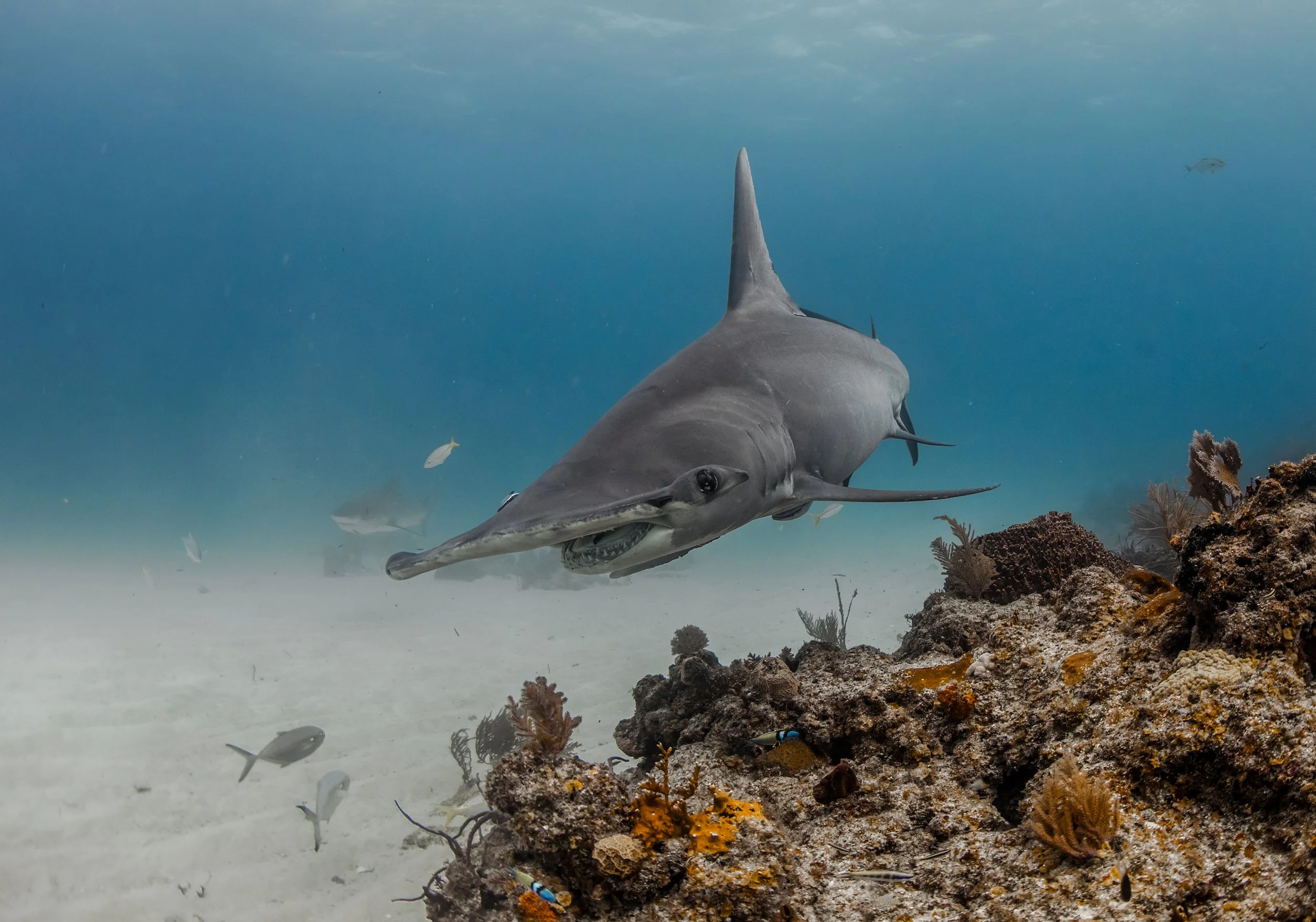
Sadly, this isn’t an isolated story.

Our oceans are overfished and polluted.

Forests are cut down faster than they can recover.

Species that once lived or died according to Nature’s Law are now subject to quarterly profits and corporate agendas.

We’ve convinced ourselves that we’re managing nature.

In reality, we’re breaking systems we barely understand.

There is nothing intelligent about destroying the ecosystems that keeps us all alive.

And yet, we continue.
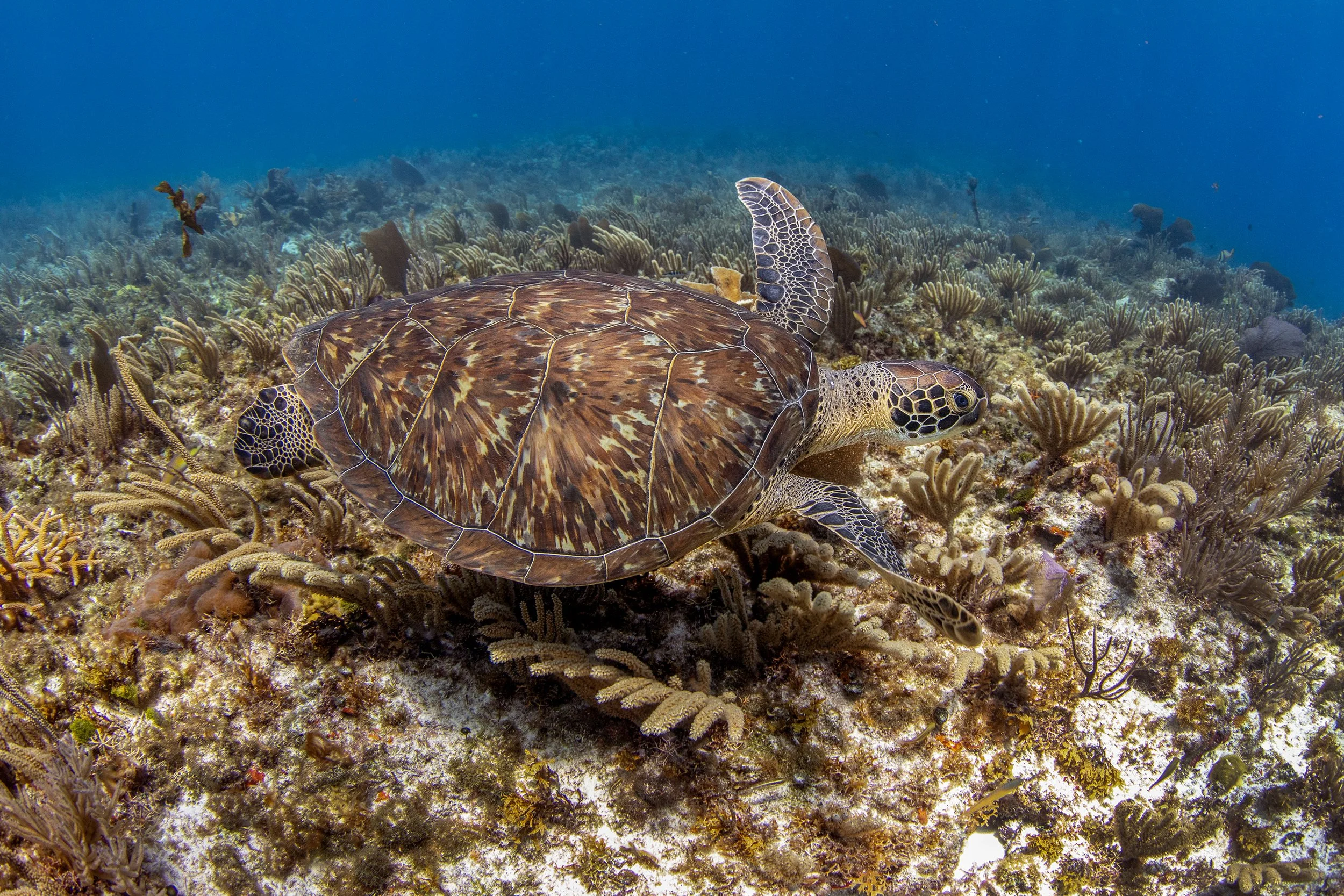
I don’t pretend to have all the answers.

I don’t think anyone does.

This isn’t a call for perfection… It’s a call to care.

We may not sit in those boardrooms, but we live downstream from their decisions.

And when we protect our wild places, we’re not just saving animals or landscapes.

We’re saving ourselves.

When Not to Share: Protecting the Wild From Our Own Lenses

There’s a part of our job as photographers and guides that doesn’t get talked about enough… when not to share.

We live in an age where every image or video can go viral in seconds. 

A post, a tag, a location pin, they spread faster than we can imagine. And with that comes a strange consequence… the more we share, the less wild some places become.

I’ve seen it happen with my own eyes.

Places that once felt like magic, where we were the only boat for miles, now fill with crowds, cameras, and drones. 

Pantanal, Brazil.

The quiet that once defined those places is replaced by engines, by pressure, by human presence.

Years ago, off Baja, I remember being completely alone. Just our boat, the ocean, and the animals. 

Now, the same waters are crowded with boats chasing the same story. 

And I get it, it’s part of what we do. It’s our job to tell the stories of these places, to show the world that they still exist, that they matter, that they deserve to stay wild for generations to come.

But I’ll be the first to admit, I am guilty of over sharing.

I’ve drawn too much attention to places that once felt sacred. 

My work has helped put them on the map, sometimes literally. And while I know my intention was good, that doesn’t erase the impact.

It’s a difficult truth to admit, but an important one.

Because when too many of us tell the same story, the story changes.

We mean well, but sometimes our love becomes pressure. Our storytelling becomes intrusion. 

Our presence, multiplied, can slowly erode the very thing that drew us there in the first place.

So I’ve learned:
Sometimes it’s okay to keep a secret.
You don’t have to tag the location.
You don’t have to explain how you found it.

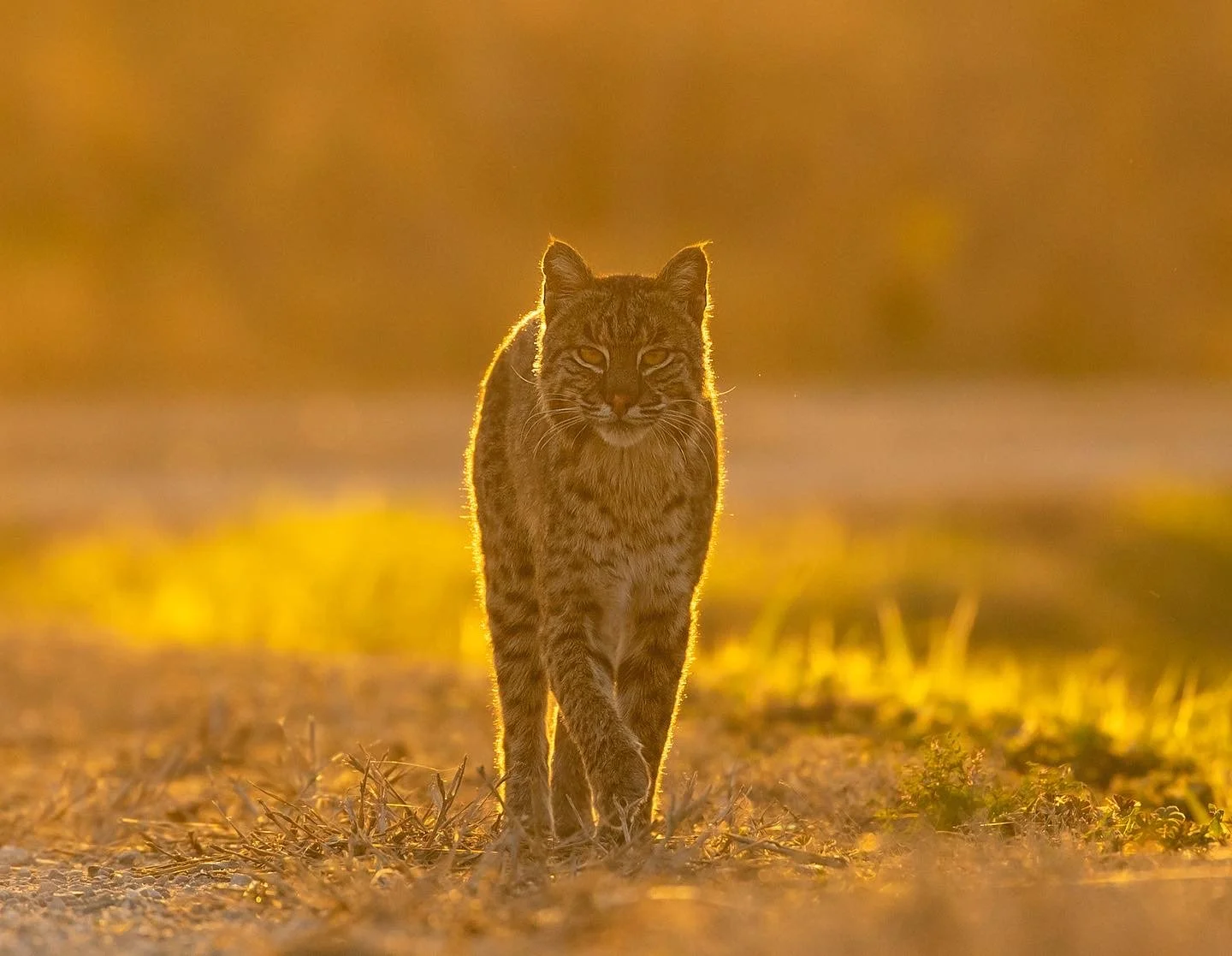
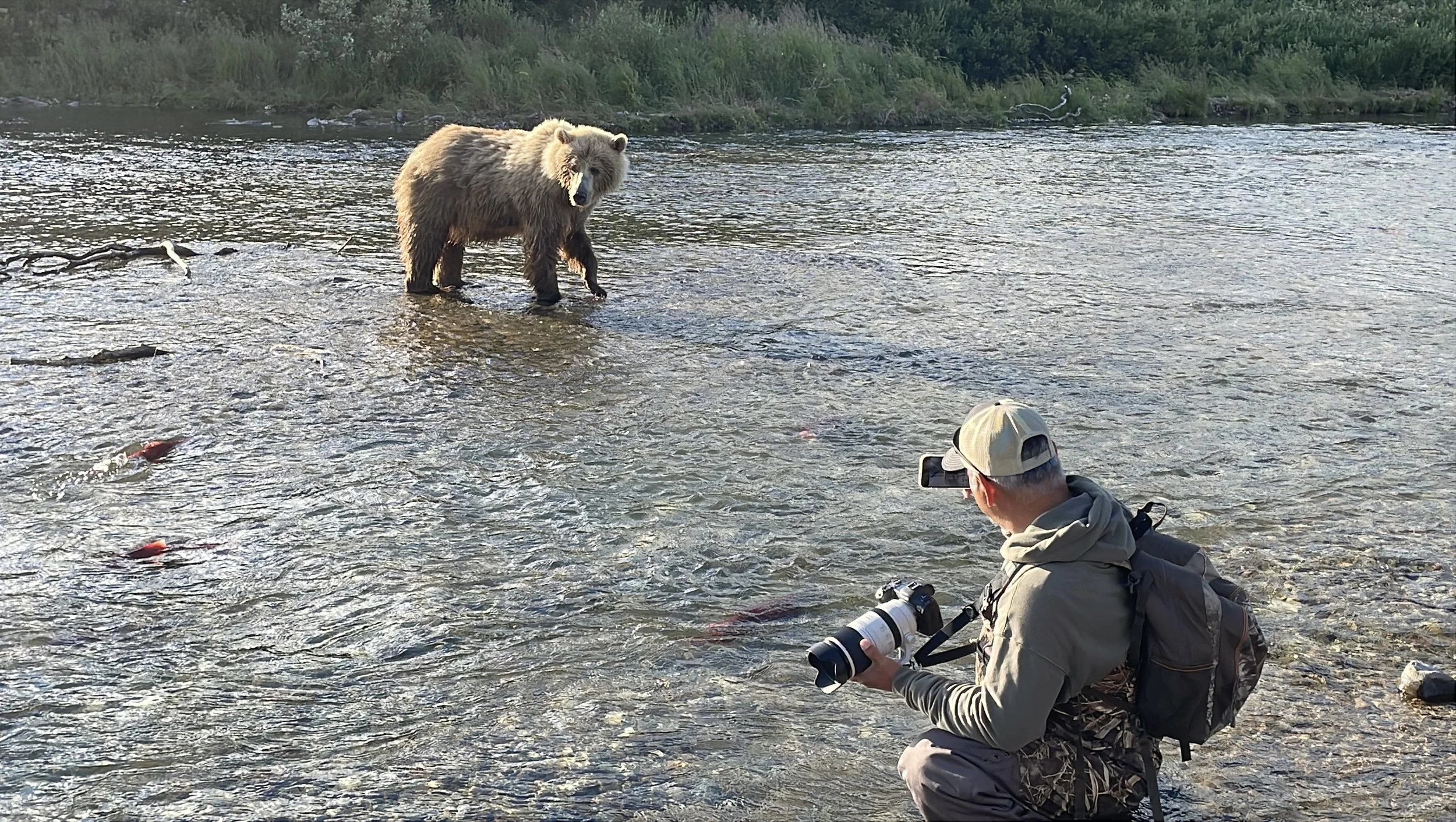
Florida bobcat… exact location undisclosed

You don’t have to post everything.

Some encounters should stay just between you, your friends, and the wild.

It’s not about hoarding or gatekeeping. It’s about protection. 

Because no matter how much we care, human attention changes things, especially fragile, sacred places that weren’t built to hold it.

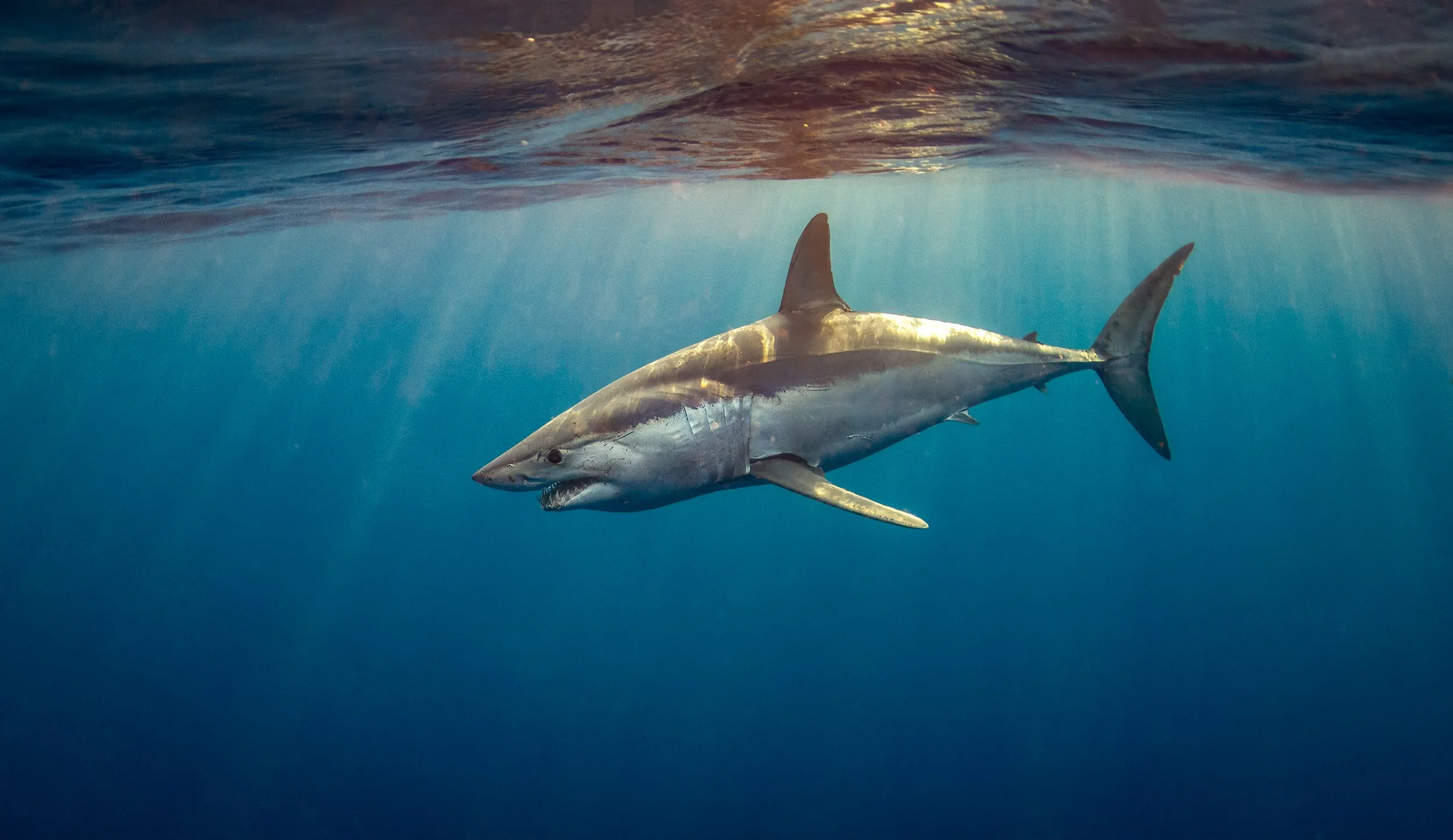
Giant Mako off California… exact location undisclosed.

I know no secret lasts forever. 

But for the few that do, do your part to keep them quiet, keep them safe, for as long as you can.

The world doesn’t need every detail… Sometimes it just needs your silence.


Thank you for reading our Blog.

*New Blogs posted 3–4 times a week.
(sometimes more.)
Follow along for more stories, trip updates, and raw moments from the wild.