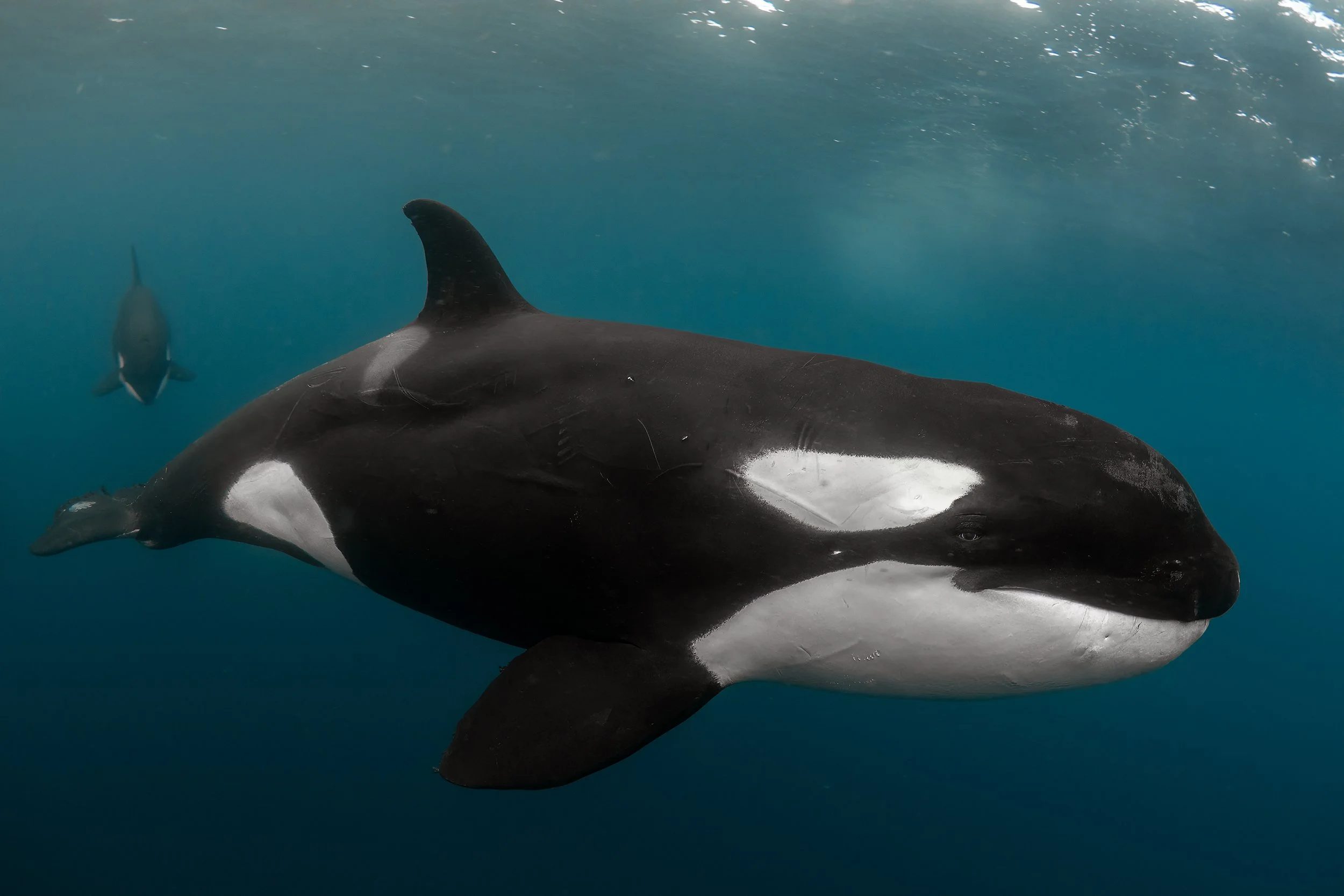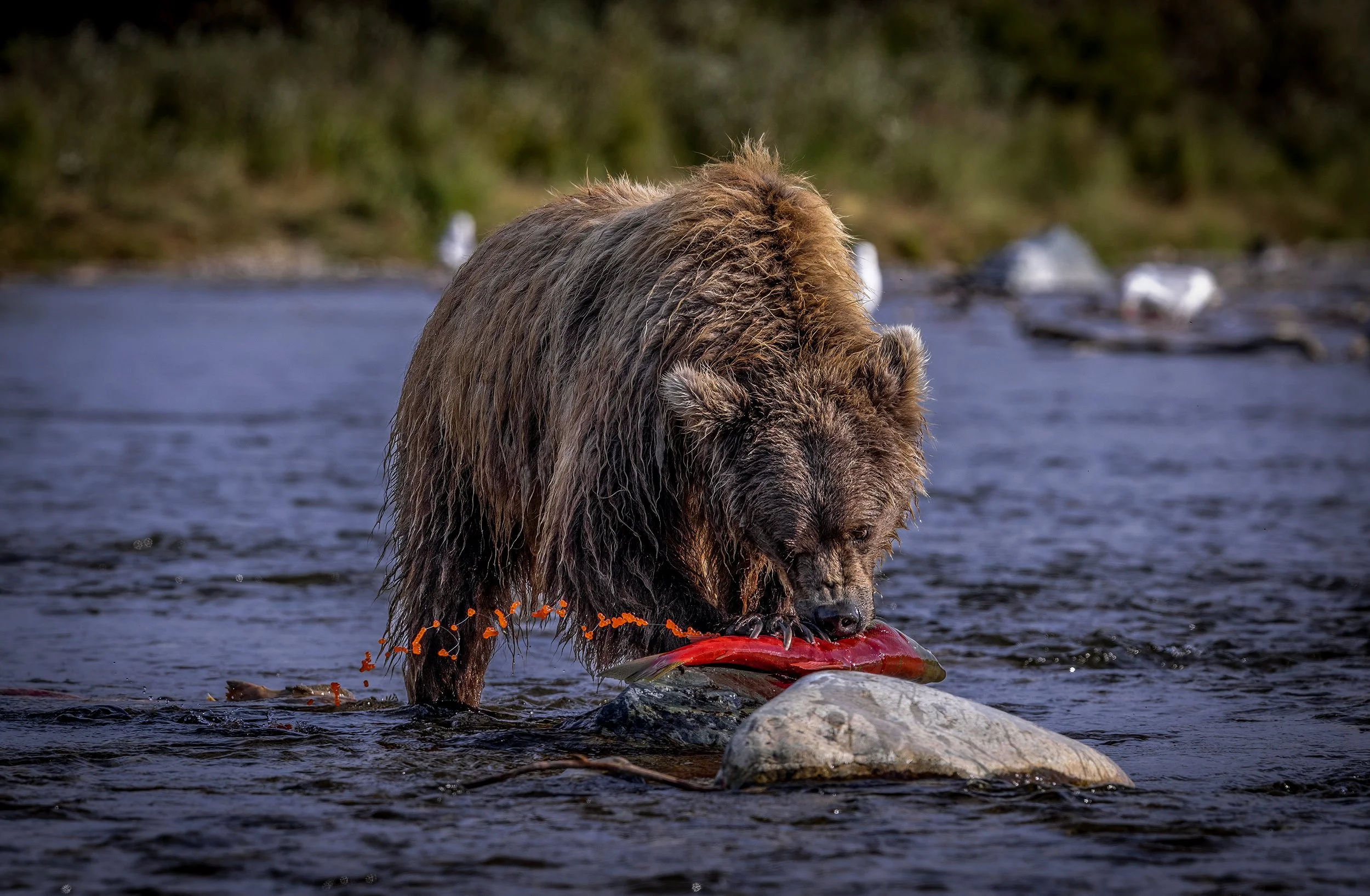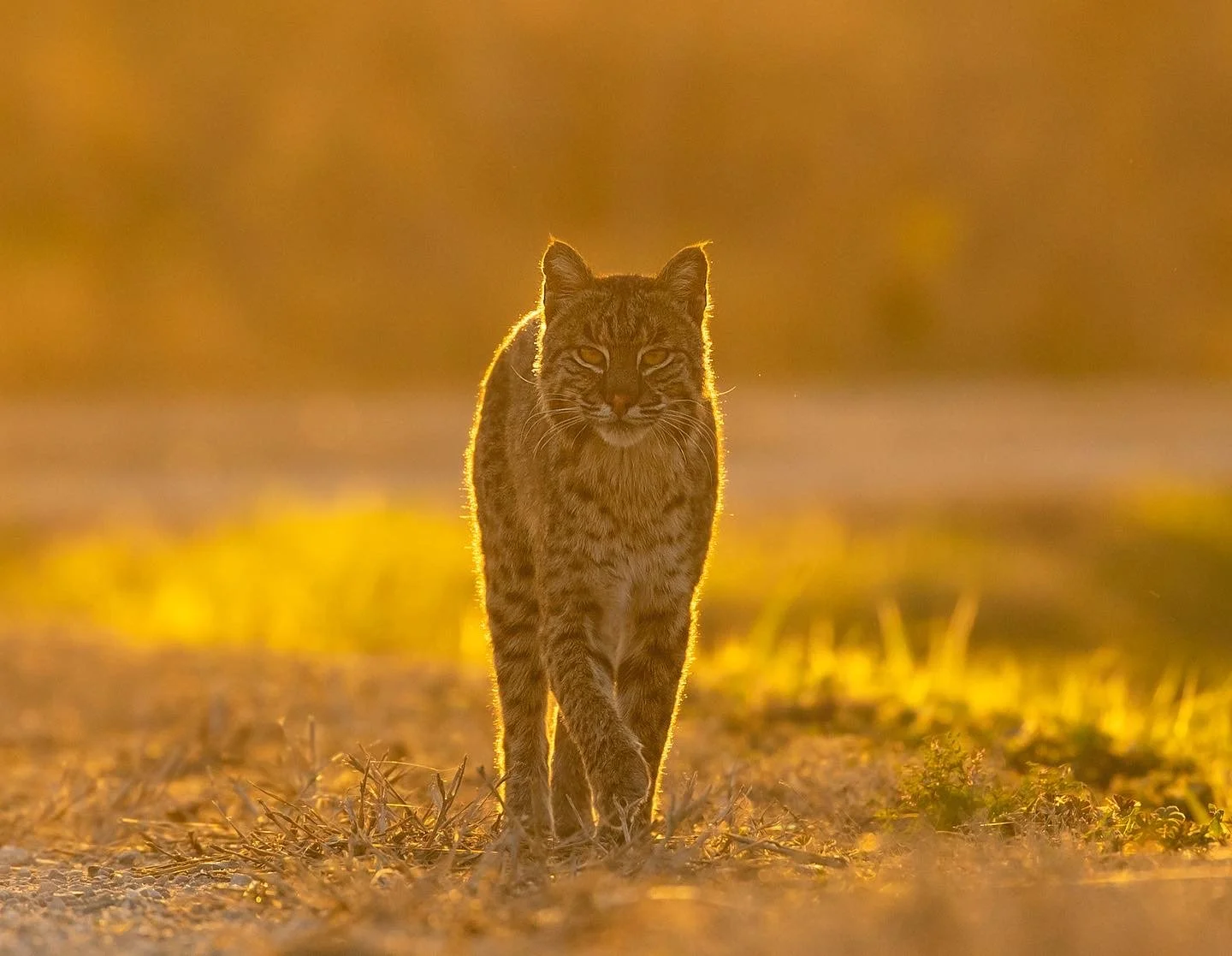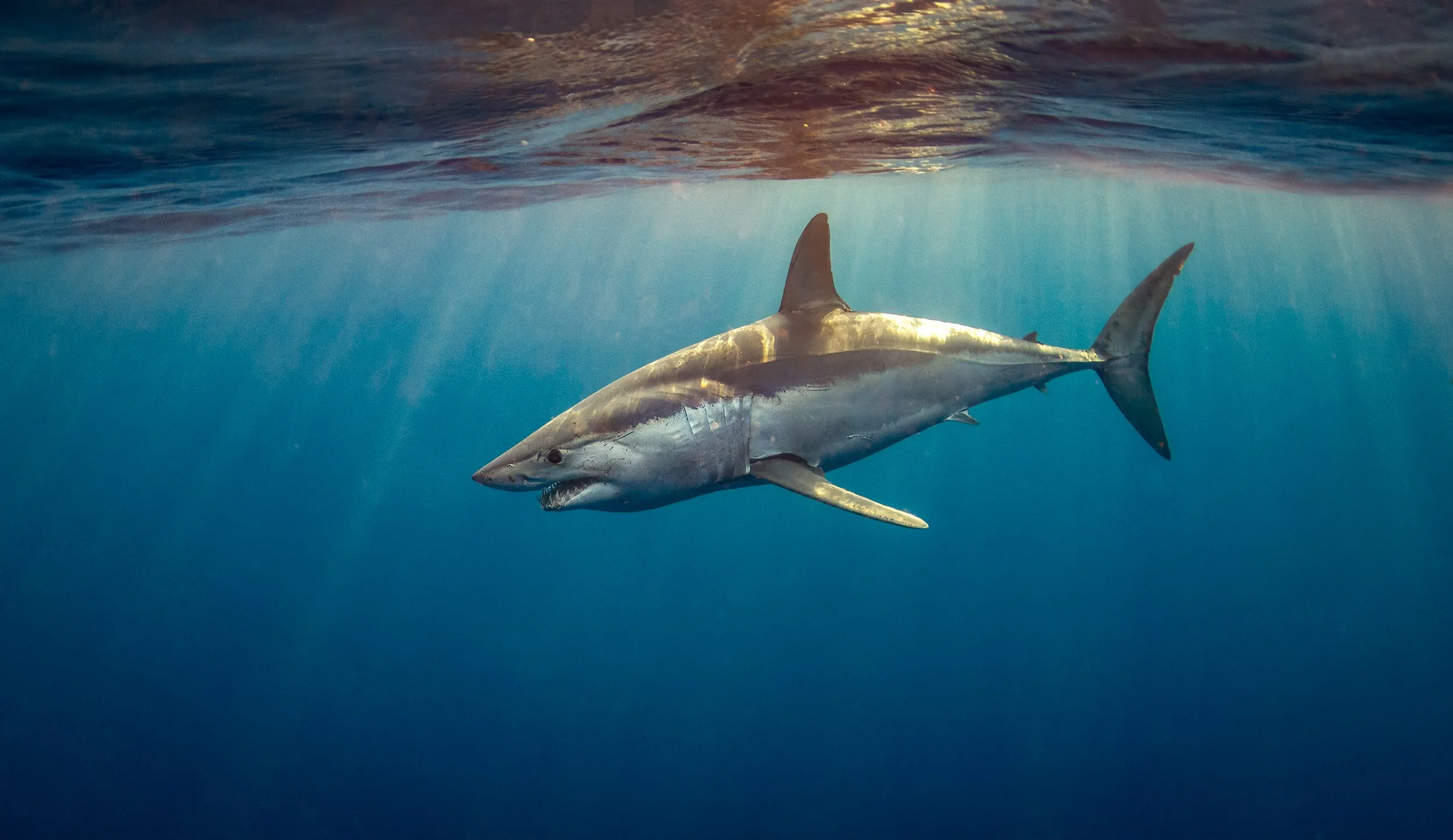
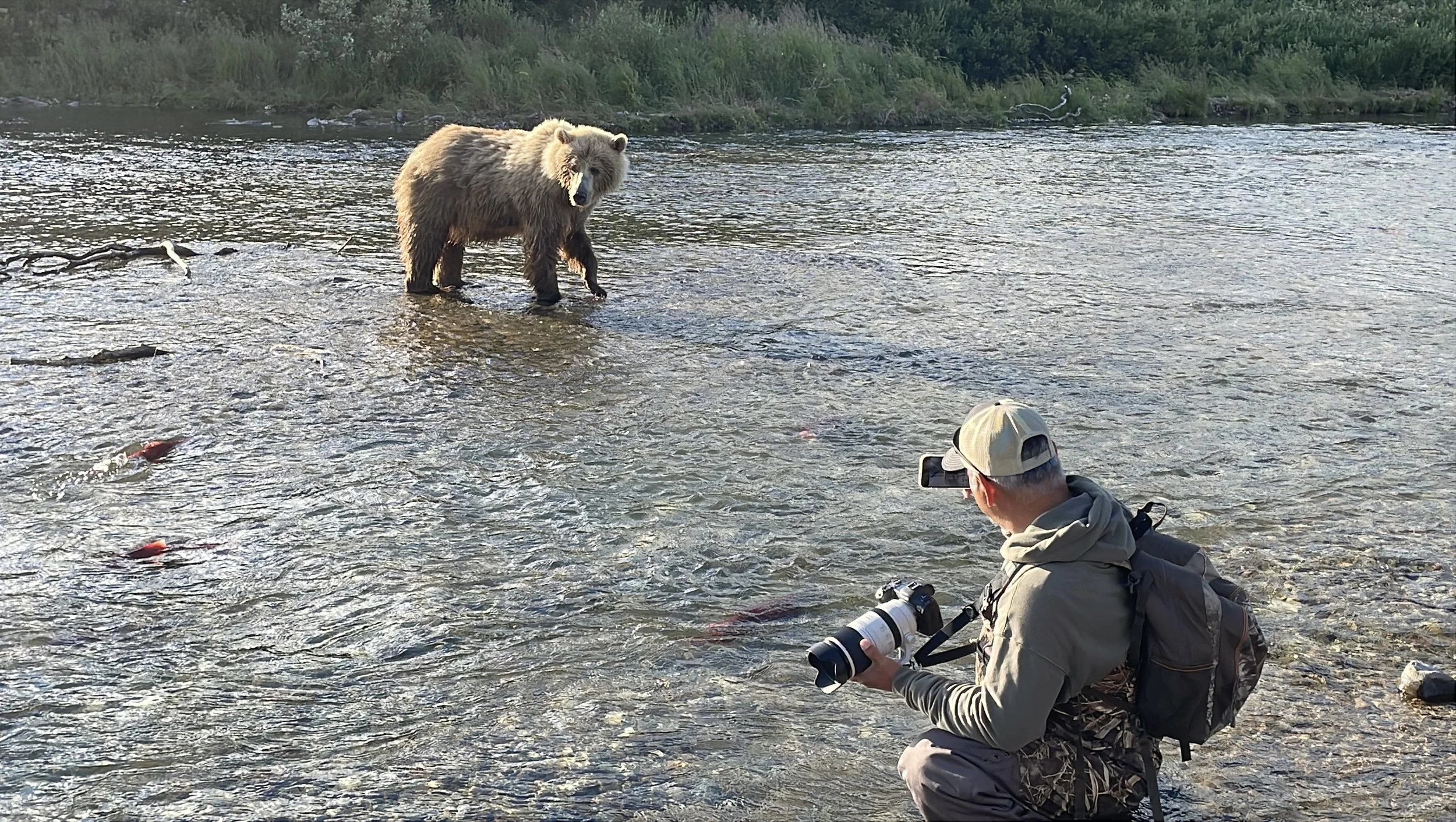
After more than 20 years of guiding trips and showing people animals, from oceans to forests, there is one thing needed on every single adventure.
Patience.
Animals do not show up on demand.
You have to put in the time. You have to go to the right places during the right time of year. You have to have great guides who understand animal behavior, the landscape, and where to look.
And even if you do everything right, with all the right people...
There are still no guarantees you will see anything.
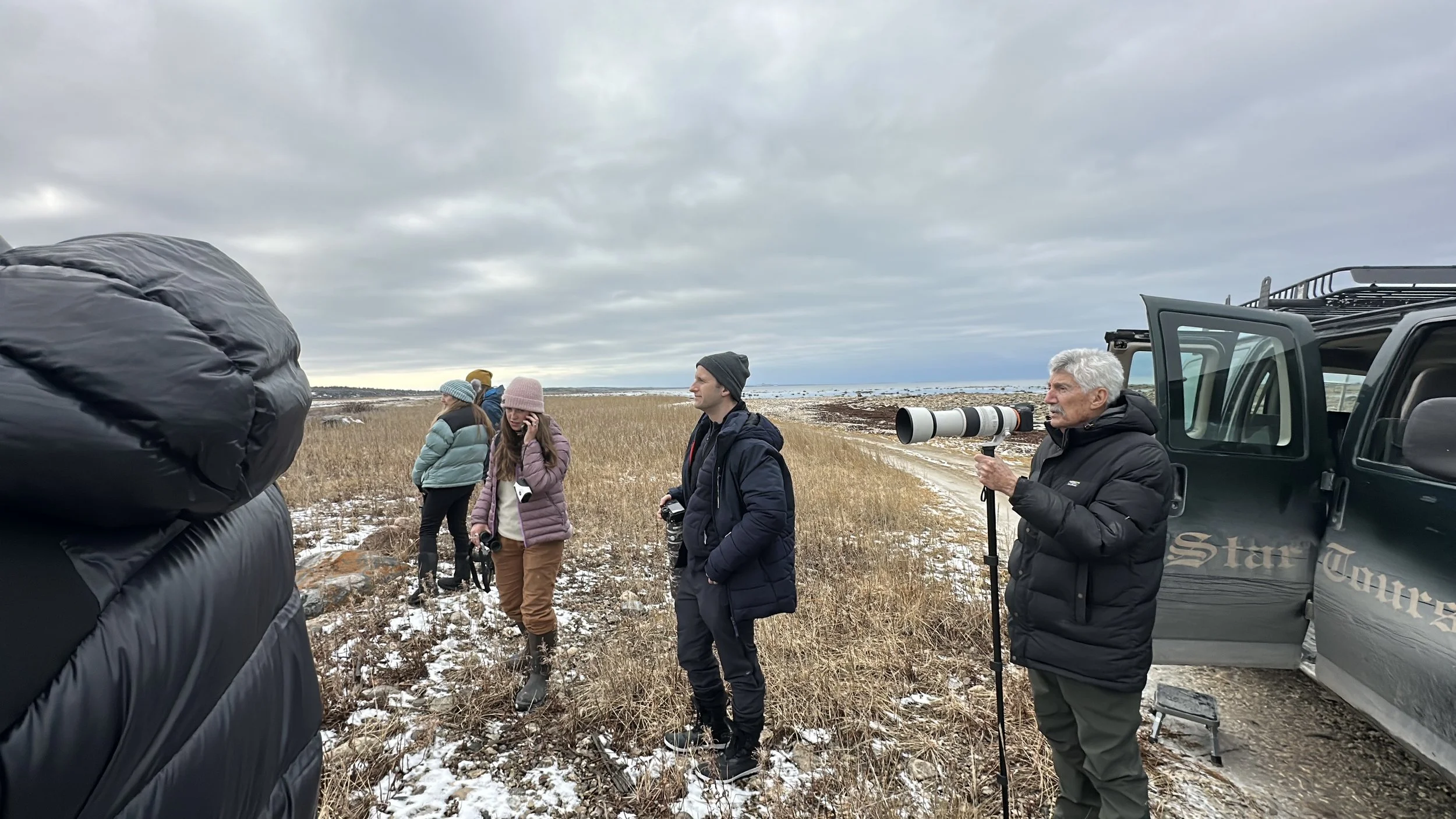
Getting skunked is part of the game.
It’s not the part we want. Nobody travels halfway around the world hoping to spend days searching for an animal that never shows up.
But unfortunately, if you want to find magic, it’s the only game worth playing.
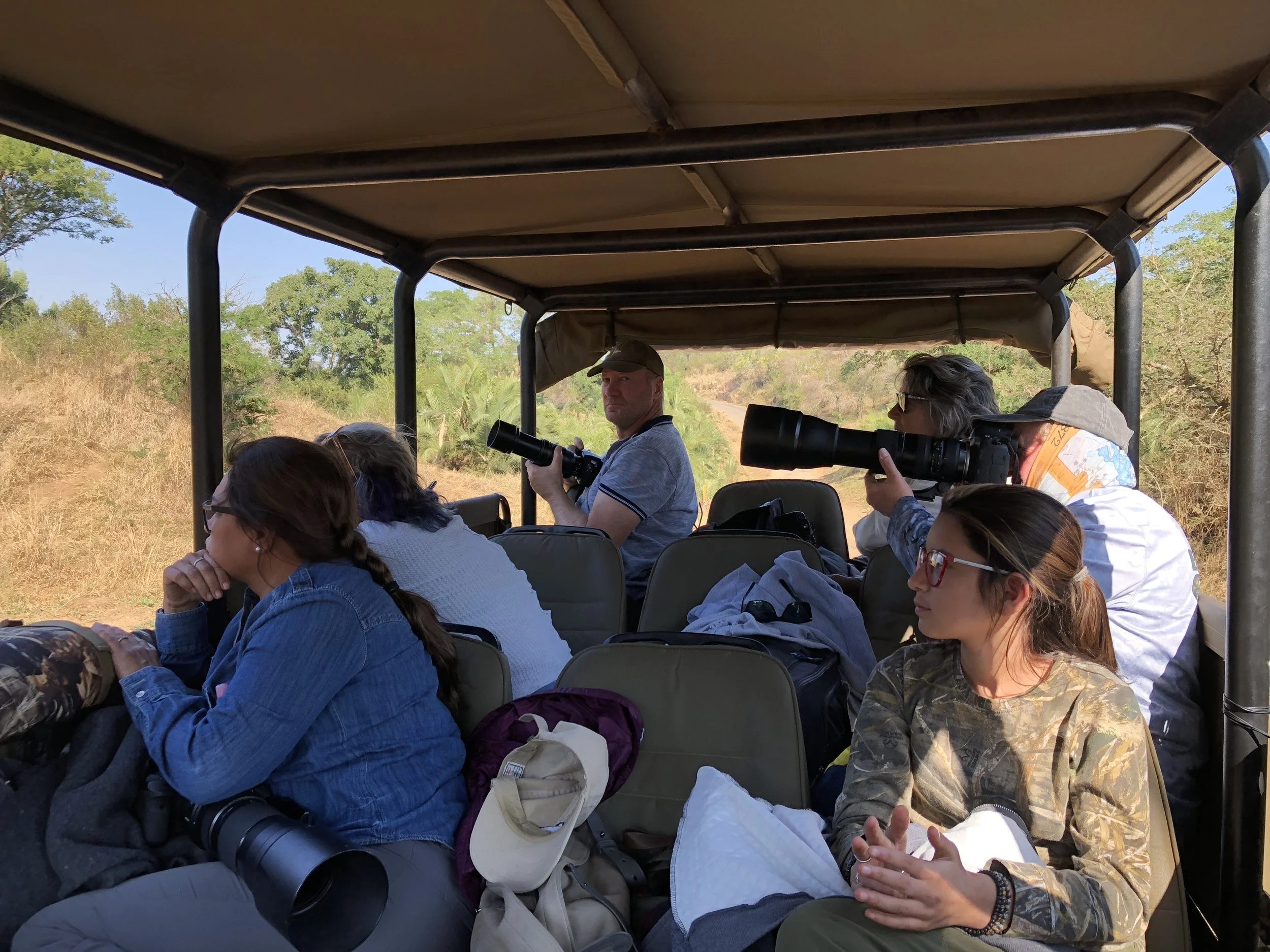
Wildlife trips involve a tremendous amount of downtime. Searching. Waiting. Watching. Driving. Sitting in boats. Staring at empty stretches of ocean or forest and praying that the animal you traveled halfway around the world to see will finally show up.
Sometimes it takes minutes.
Sometimes hours.
Sometimes days.
And sometimes it never happens.
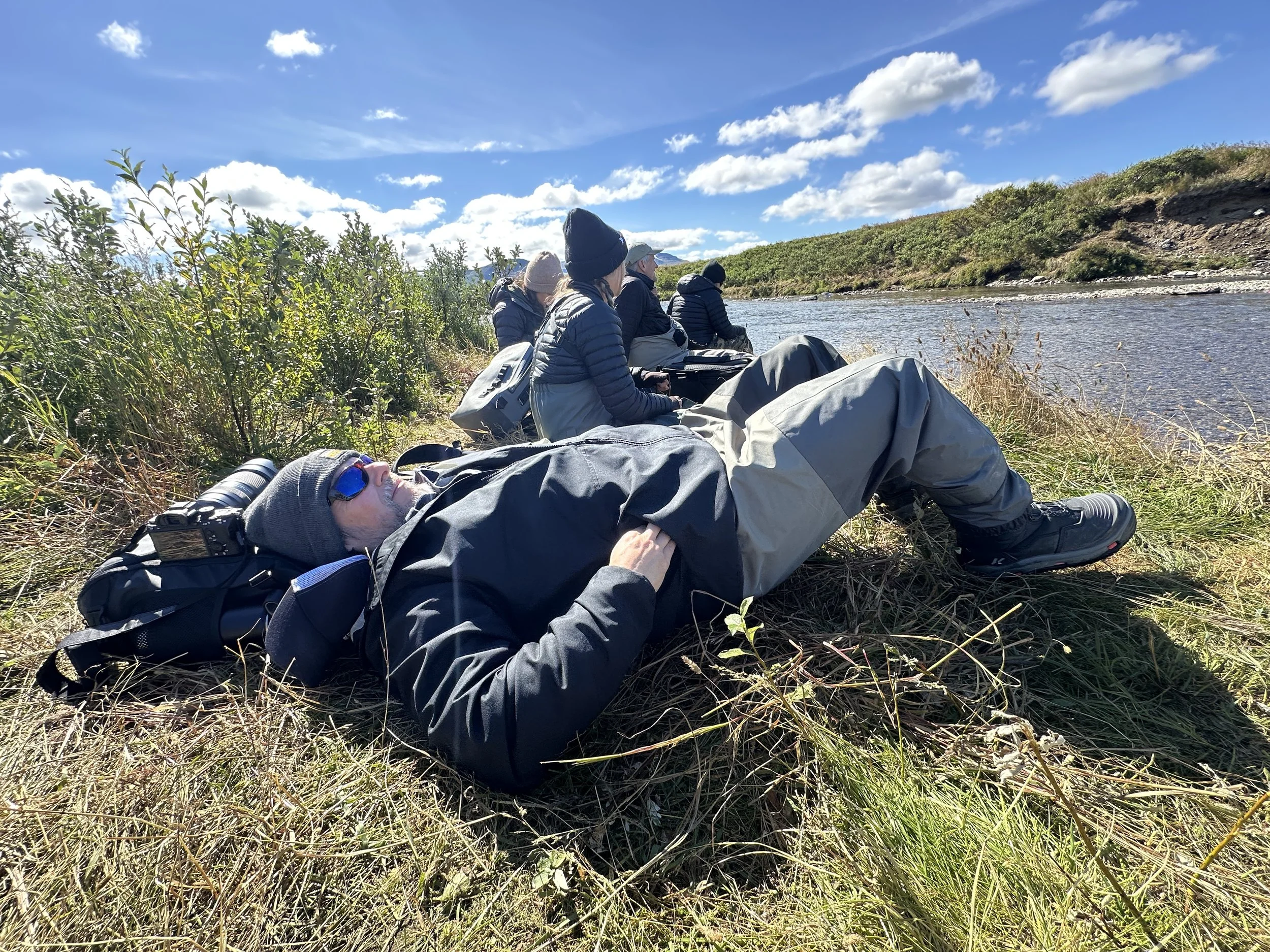
There are no guarantees.
And I am so very thankful for that.
Because that uncertainty is part of what makes these encounters mean so much.
If the animals appeared every time we wanted them to, exactly where we wanted them to, the experience wouldn’t be the same. There would be no anticipation. No search. No incredible rush when somebody suddenly points and says...
“There!”
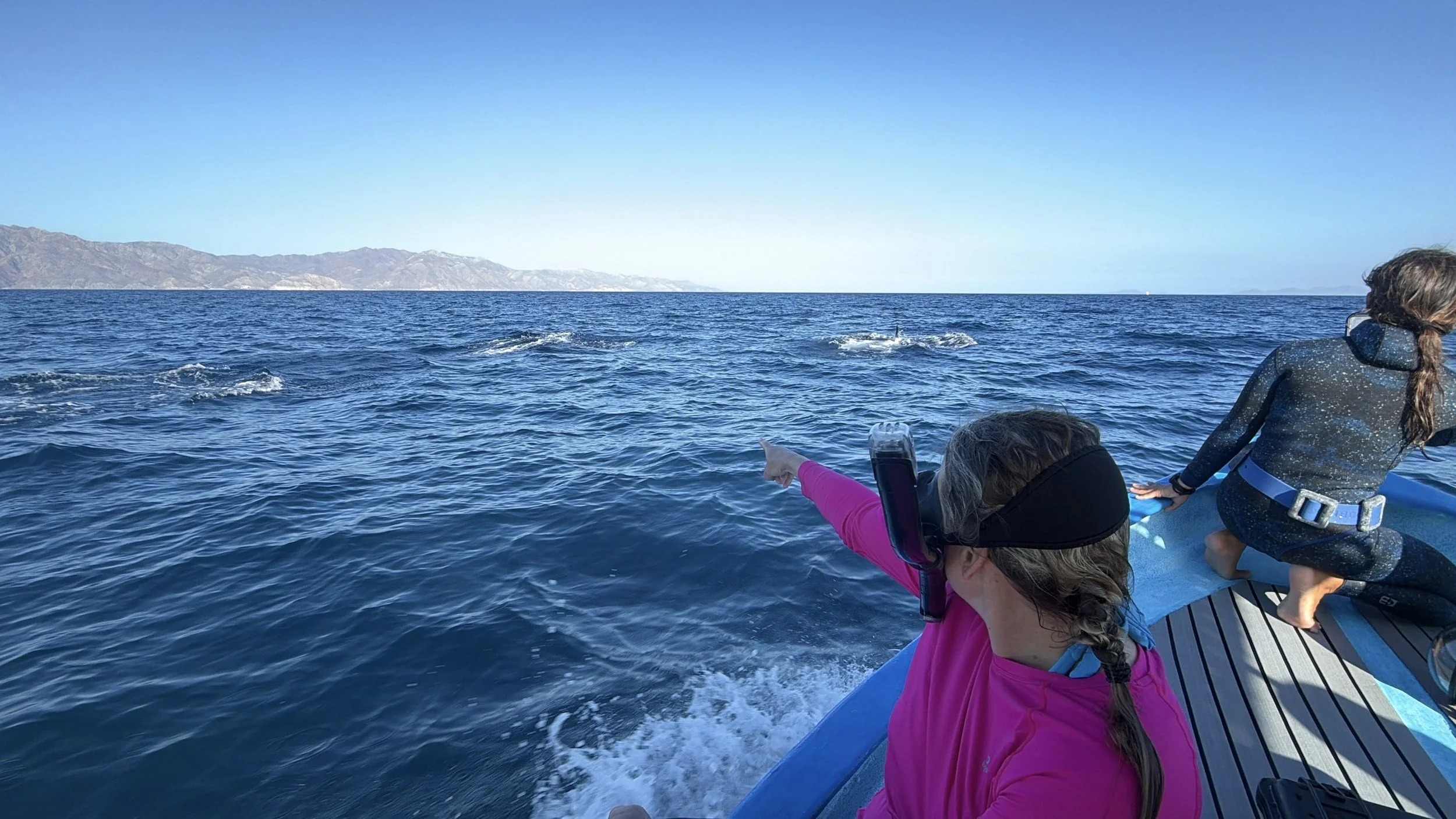
I think one of the most important parts of leading wildlife trips is managing expectations.
And sometimes that means having an uncomfortable conversation before the adventure even begins.
I can tell you when the animals are normally there. I can take you to the places where we have historically had our best encounters. I can put you with great guides who know the animals and know the area.
We can study weather, tides, seasons, behavior, and everything else that might help stack the odds in our favor.
But I can never promise you an animal.
No ethical wildlife guide can.
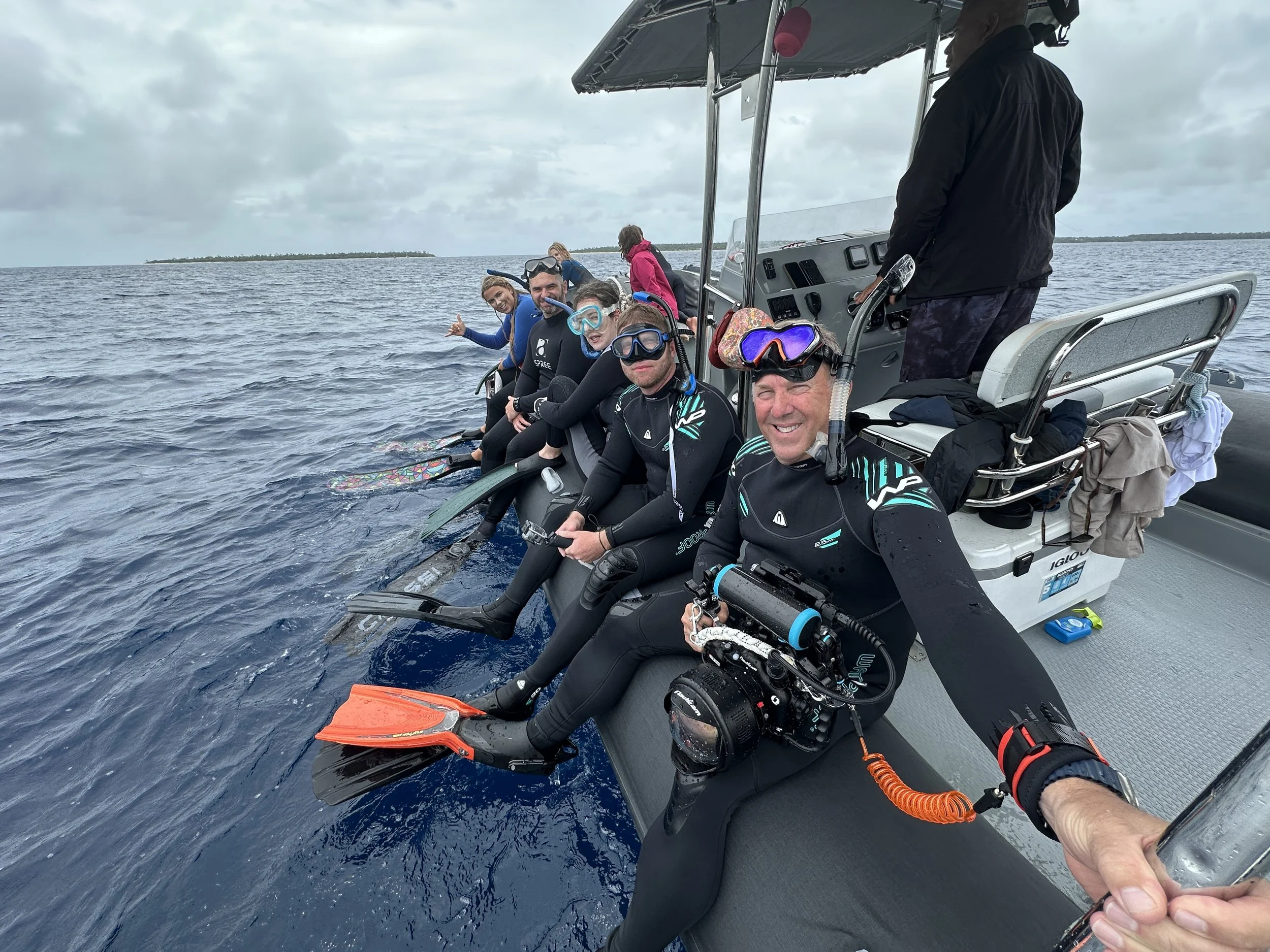
What I can promise is that we will put in the time.
We will search.
We will work hard.
And when an opportunity presents itself, we will do everything we can to put our guests in the right place to experience it.
That distinction matters.
Because managing expectations doesn’t mean lowering them.
It means understanding what you are signing up for.
This isn’t a zoo. It isn’t a theme park. There isn’t an animal waiting behind a curtain for us to arrive.
We are entering their world, on their terms.
And I think accepting that before the trip even begins makes the entire experience better.
I’ve seen it countless times over the years. A guest becomes frustrated because the animal hasn’t shown up. Maybe we’ve been searching for hours. Maybe we’ve been searching for days.
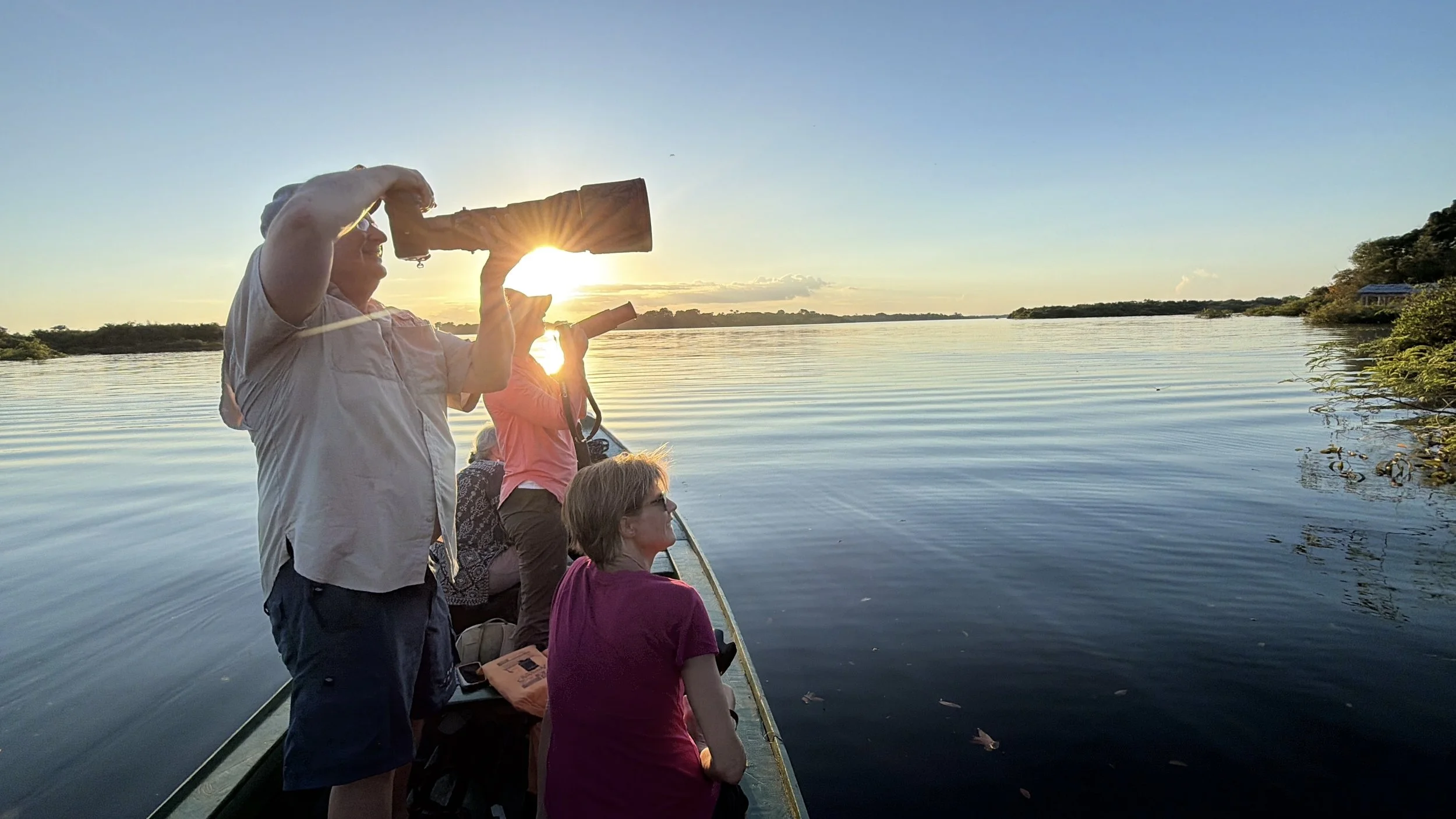
They traveled a long way. They spent a lot of money. They dreamed about this experience for months or even years.
Naturally, they want that encounter.
And I totally understand.
I want it badly as well.
Every guide and trip leader wants their guests to have that incredible moment.
But nature doesn’t care about our schedules.
Wildlife is wildlife.
And in the end, we get what nature decides to give us.
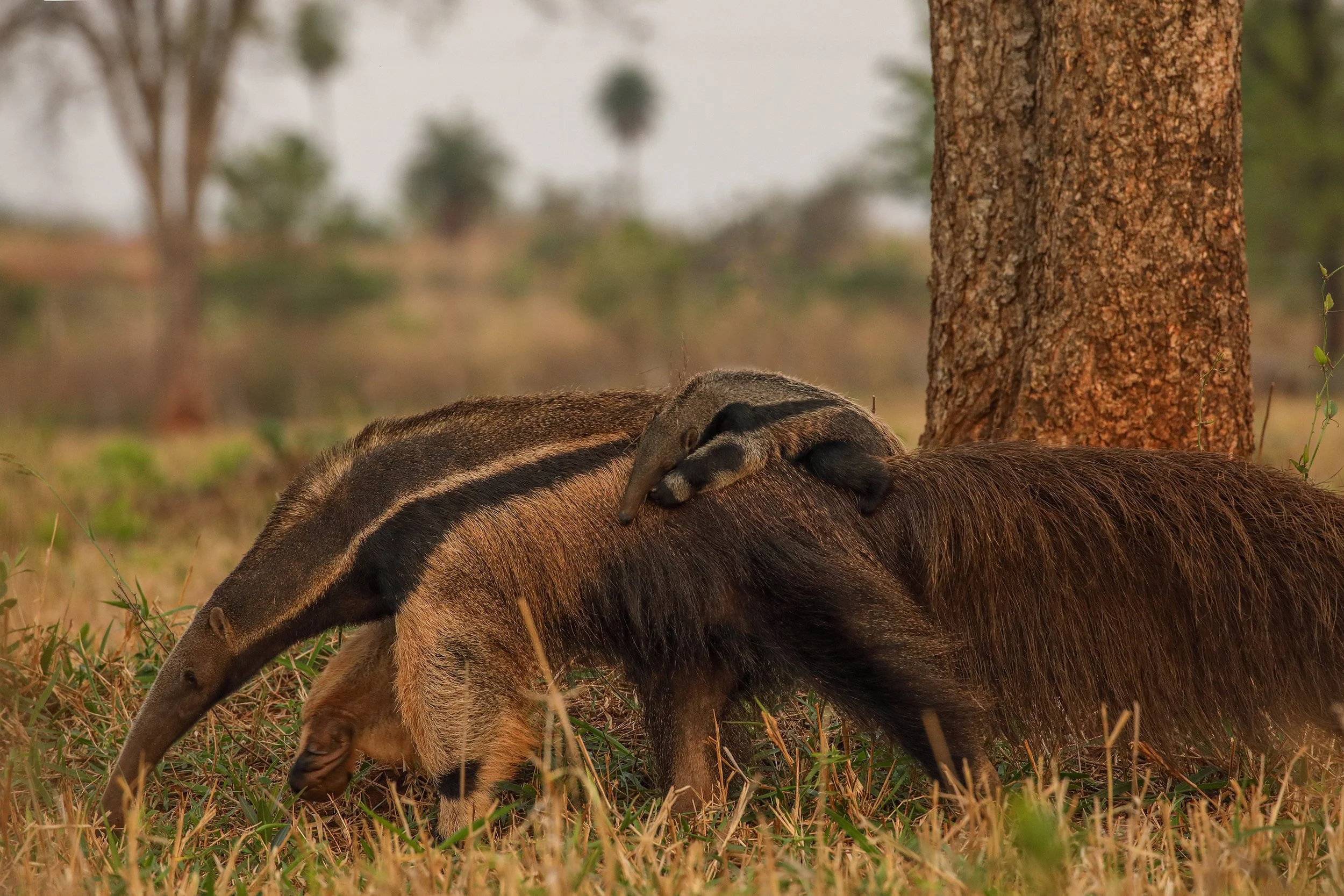
What we are all really searching for is one special encounter.
One magical moment with the animal we have dreamed about seeing.
Just one.
But we have to be willing to put in the time for a chance at it.
Because when that animal finally does show up, especially after hours, days, or sometimes weeks of searching… there are few feelings in the world like it.
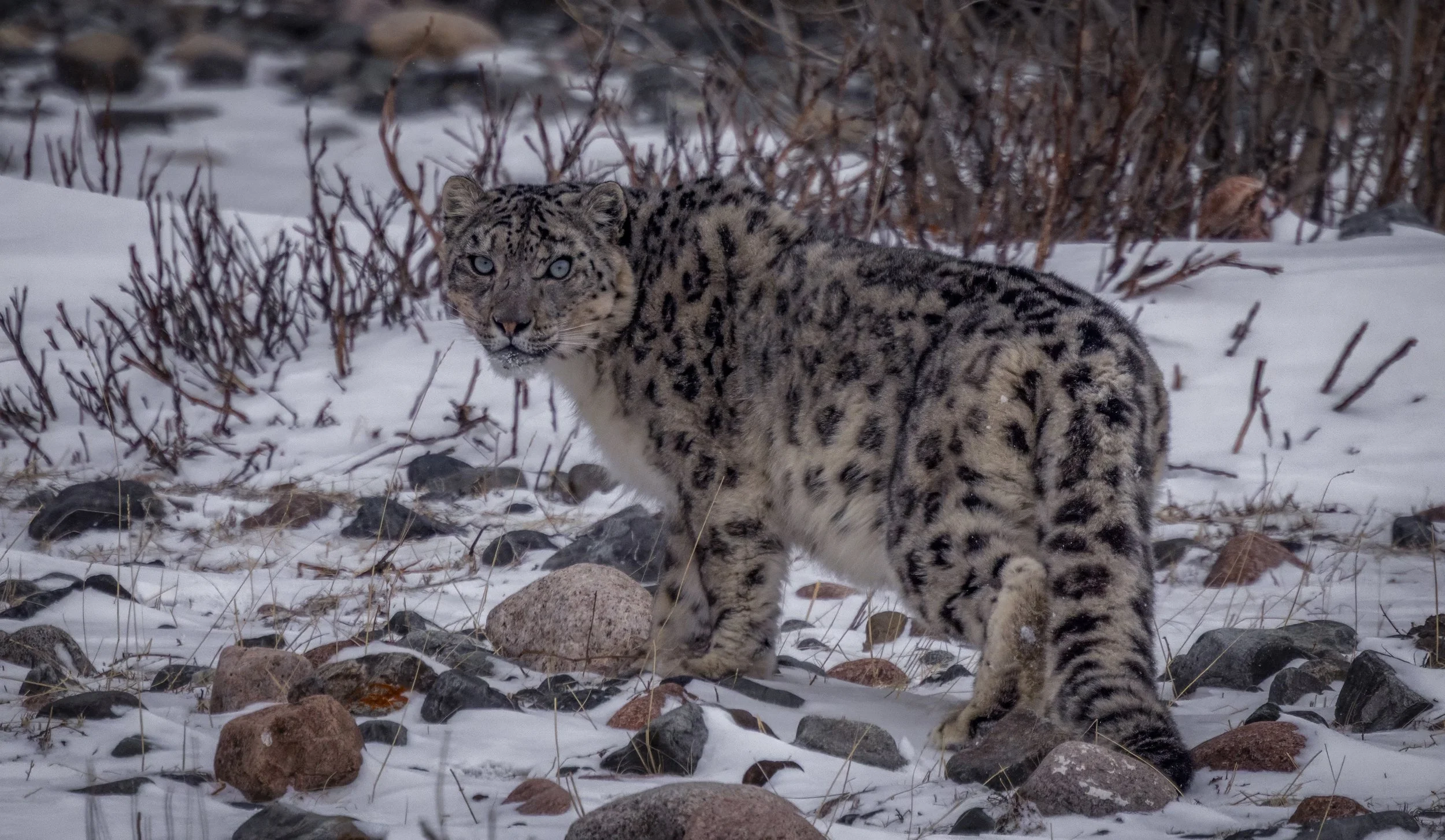
I have experienced it countless times.
Hours of absolutely nothing.
Then suddenly... Everything changes.
A wolf walks out of the forest.
A polar bear appears on the horizon.
A whale rises beside the boat.
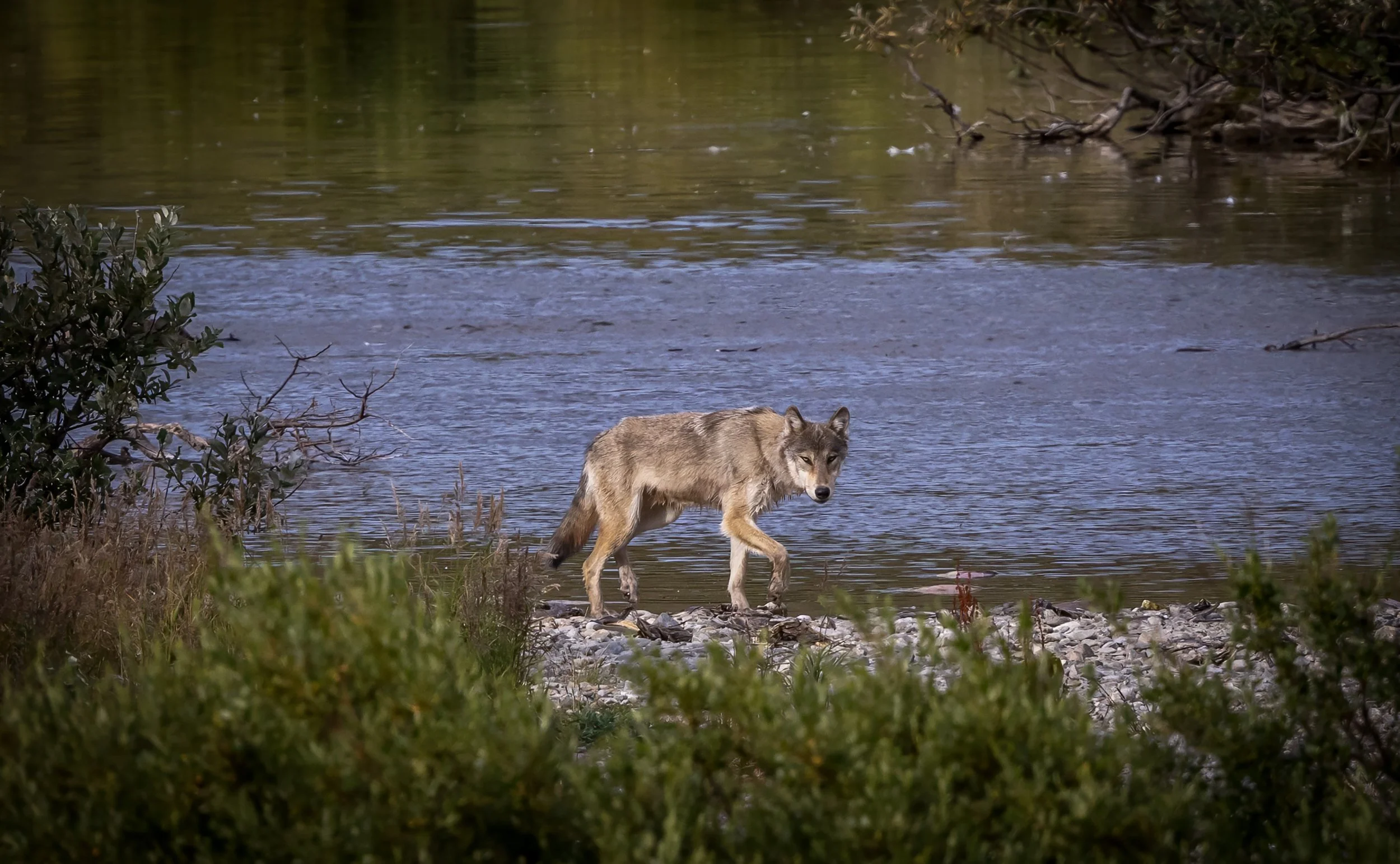
An animal looks directly at you and, for one brief moment, allows you into its world.
The difference between nothing happening and having one of the greatest wildlife encounters of your life can literally be one minute.
That is wildlife.
That is why we search.
And after more than 20 years of doing this, that is still all I want for our friends who travel with us… is to feel that magic moment for themselves.