
underwater wildlife photography

A Cold Morning, Clear Water, and Manatees

January 29, 2026. Thursday. 5:53am.

We’re headed to Crystal River today to spend some time with manatees.

My buddy Chris rented a pontoon boat for half the day, which is perfect. It gives us time to scout, move around, and hopefully find a good spot with clean water to swim with the manatees.

Our friend’s Brad and Mina came along, and Chris’s daughter joined us too… Just a fun day on the water, moving slowly, looking for Florida wildlife, and seeing what the river decided to show us. It is going to be a fun day.
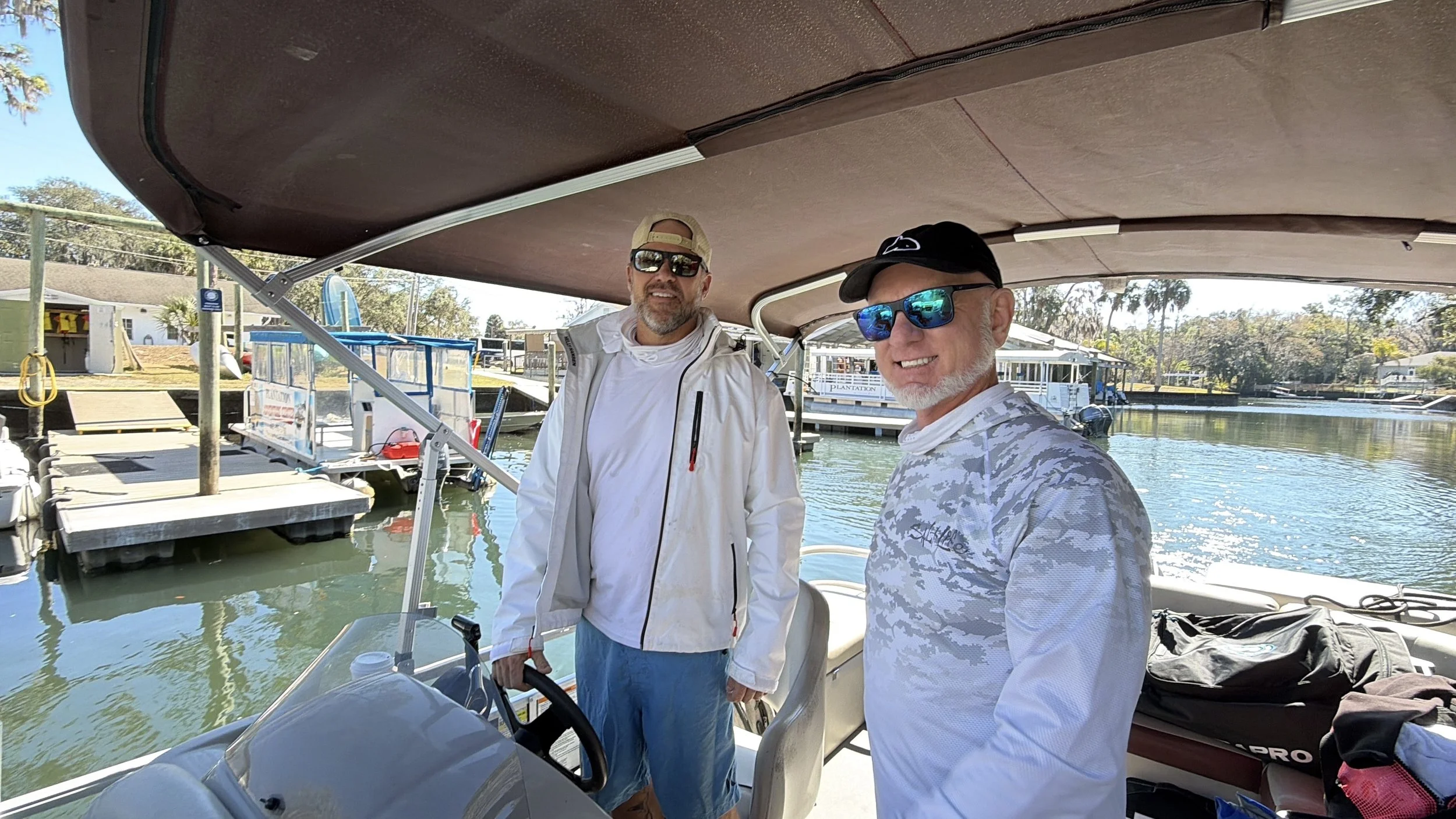
Chris has been here many times before, so he knows the area well. This is my first visit.

I’ve photographed manatees before, but that was in Mexico, in the ocean, over a reef. This feels very different.

I still haven’t had what I’d call quality time with manatees. If the light cooperates today, I’m hoping to capture a few images I’ve been wanting for a long time.

WIld Minute | Episode 38

There are a lot of animals around right now, so expectations are high.

We arrive and load up the pontoon. It’s a nice, roomy boat with plenty of space for gear. The afternoon is chilly, but the sun is out and there’s no cloud cover, so it feels good out here.

Our first stop is one of the main manatee gathering areas.

Behind it is a small spring where people are sometimes allowed to swim with them. When too many manatees pack into that space, the area gets closed to give them a refuge from the crowds.
Today is one of those days… the spring is closed.

The problem is that this is where the clear blue water is.

Once it’s closed, the surrounding areas where the manatees spread out has much dirtier water. We swim around for a few minutes, but visibility isn’t great, and the images are terrible, so we decide to move on and search for something better.

Chris takes us to another area that might have cleaner water. After a slow twenty-minute ride, we find it, a calm closed off swimming area with a lot of manatees resting.
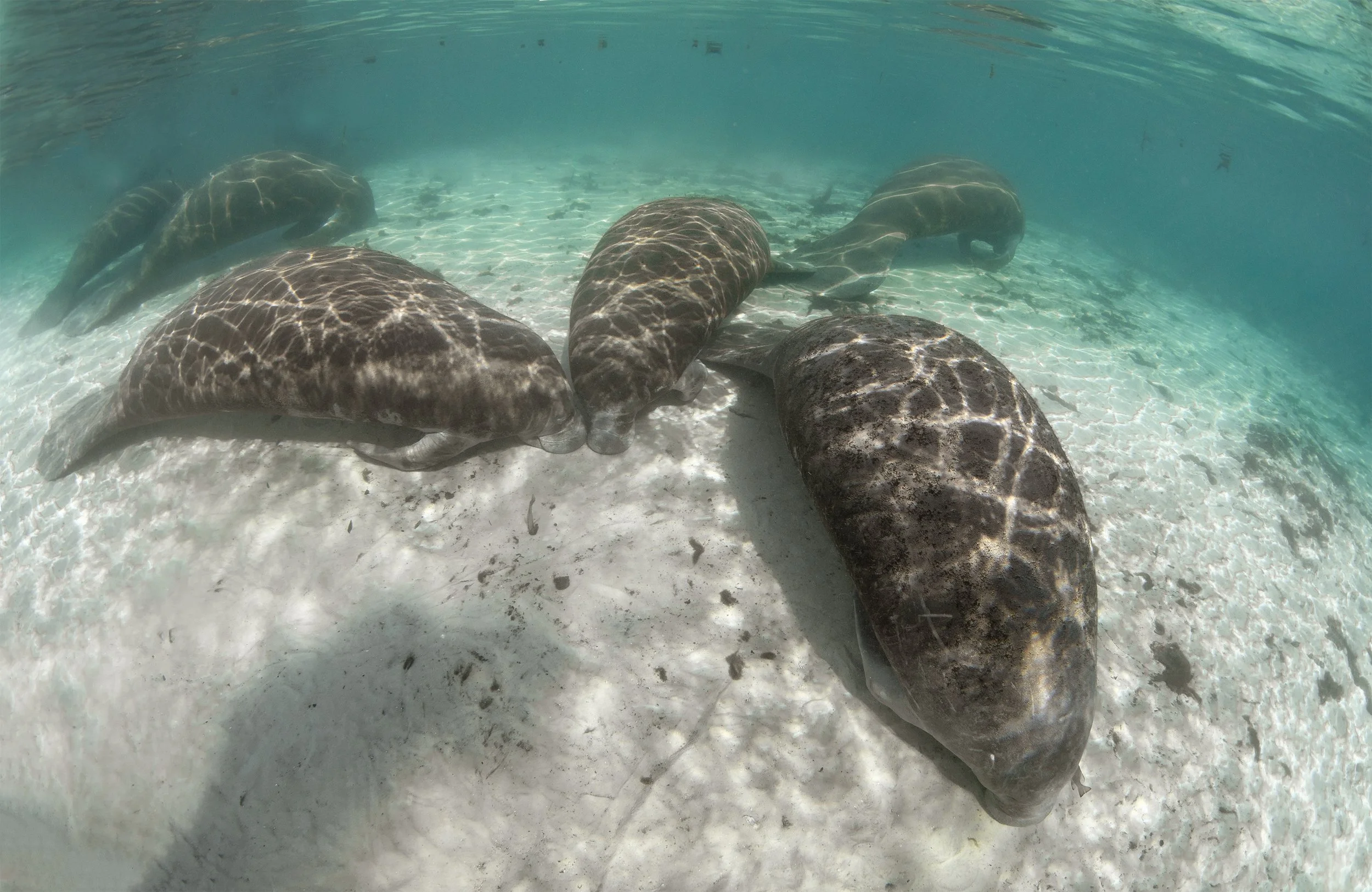
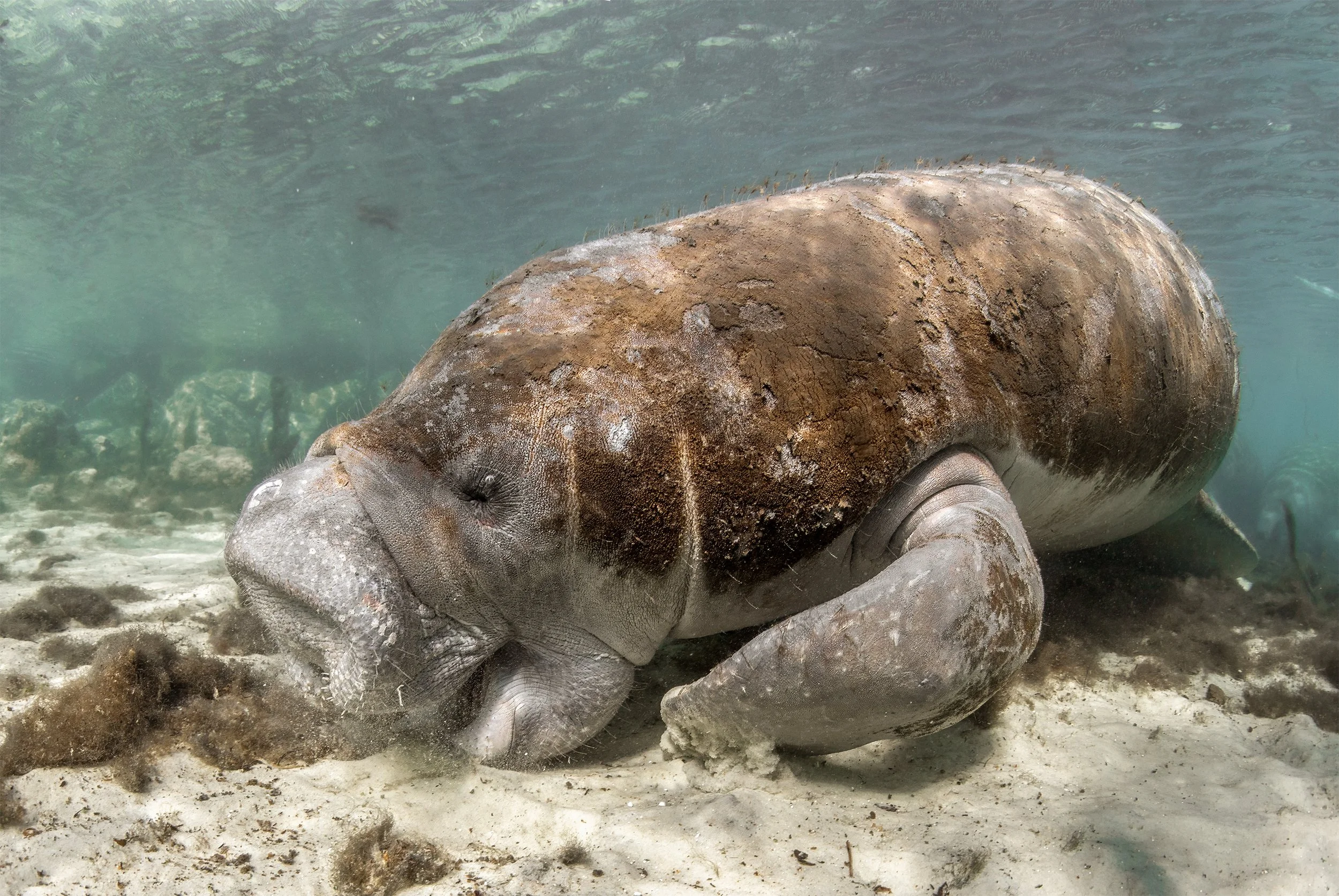
We jump in and immediately find a patch of beautiful, clear water over white sand. This becomes our spot for the next couple of hours.

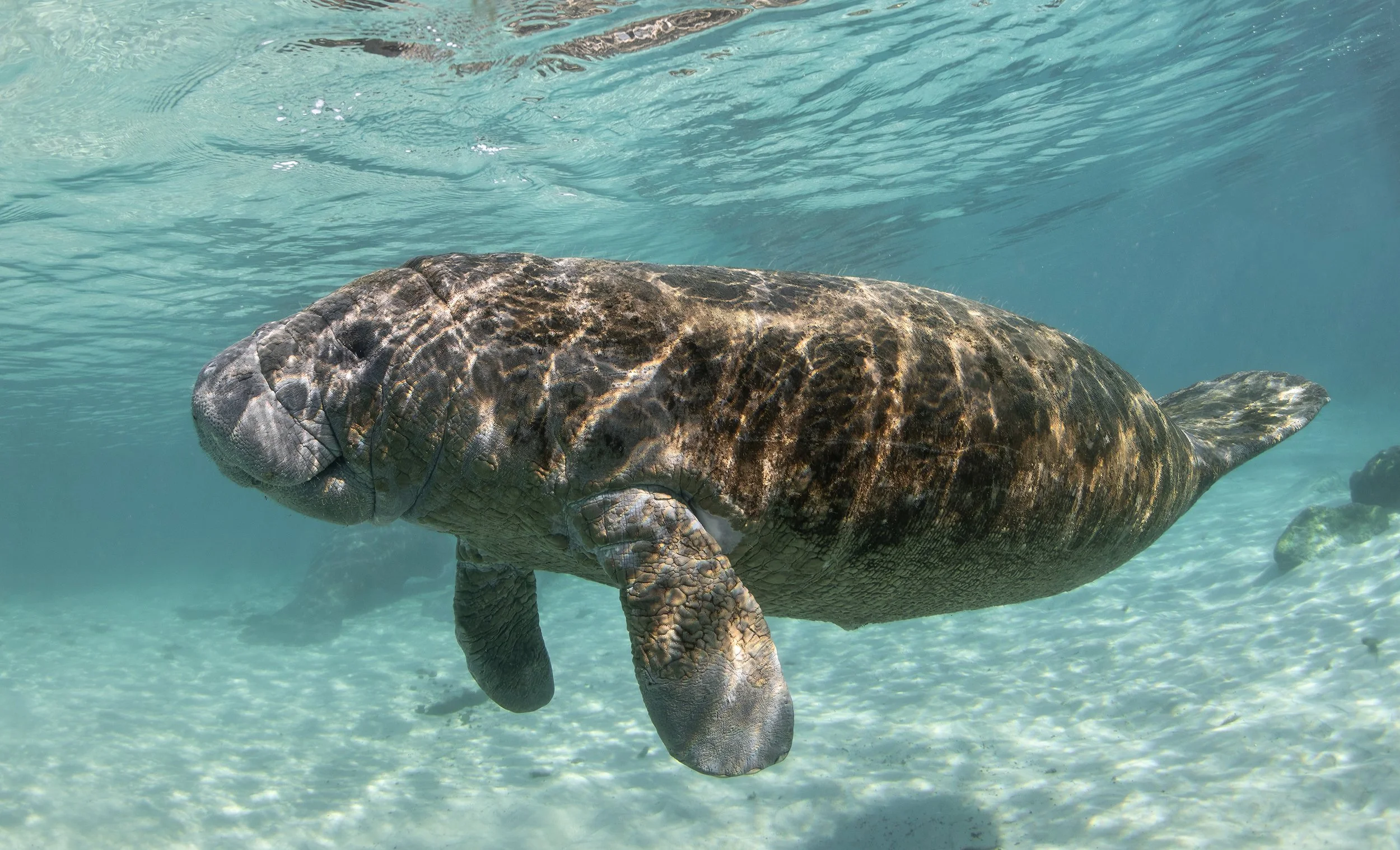
There are easily thirty to forty manatees in the area, and we have a blast photographing them.

They are incredible animals. True gentle giants.

It’s easy to understand how they were nearly brought to extinction by early seafarers. Slow-moving, curious, and without an aggressive bone in their bodies, they were easy targets.
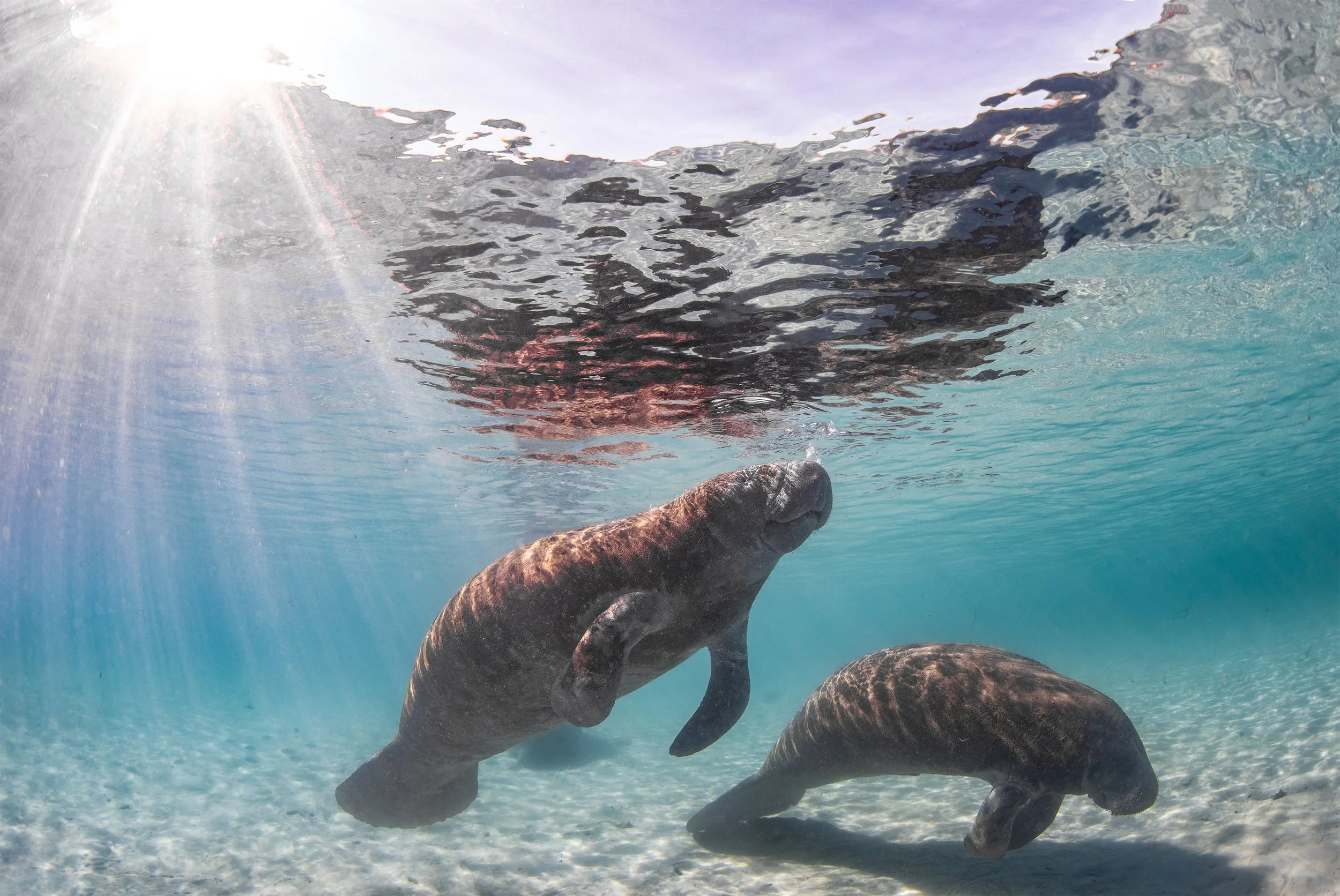
They sadly never learned to fear humans.

Manatees were once hunted for their meat, oil, and skins. Strong protection helped populations rebound, but they’re still not out of danger.

Today the threats are different, pollution, habitat destruction, and boat strikes remain serious issues.
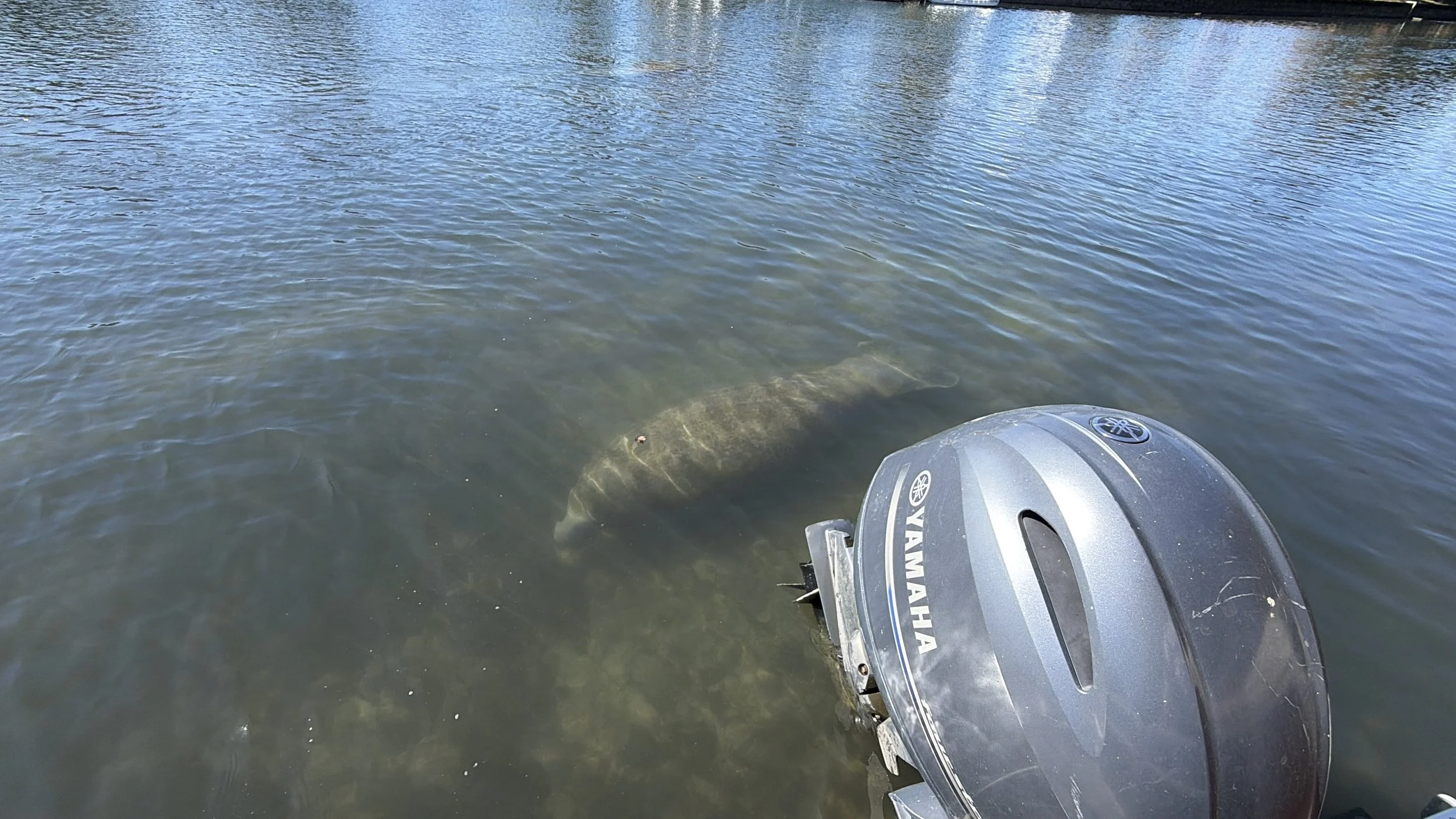
Manatees blend with their environment making it difficult for boats to see them.

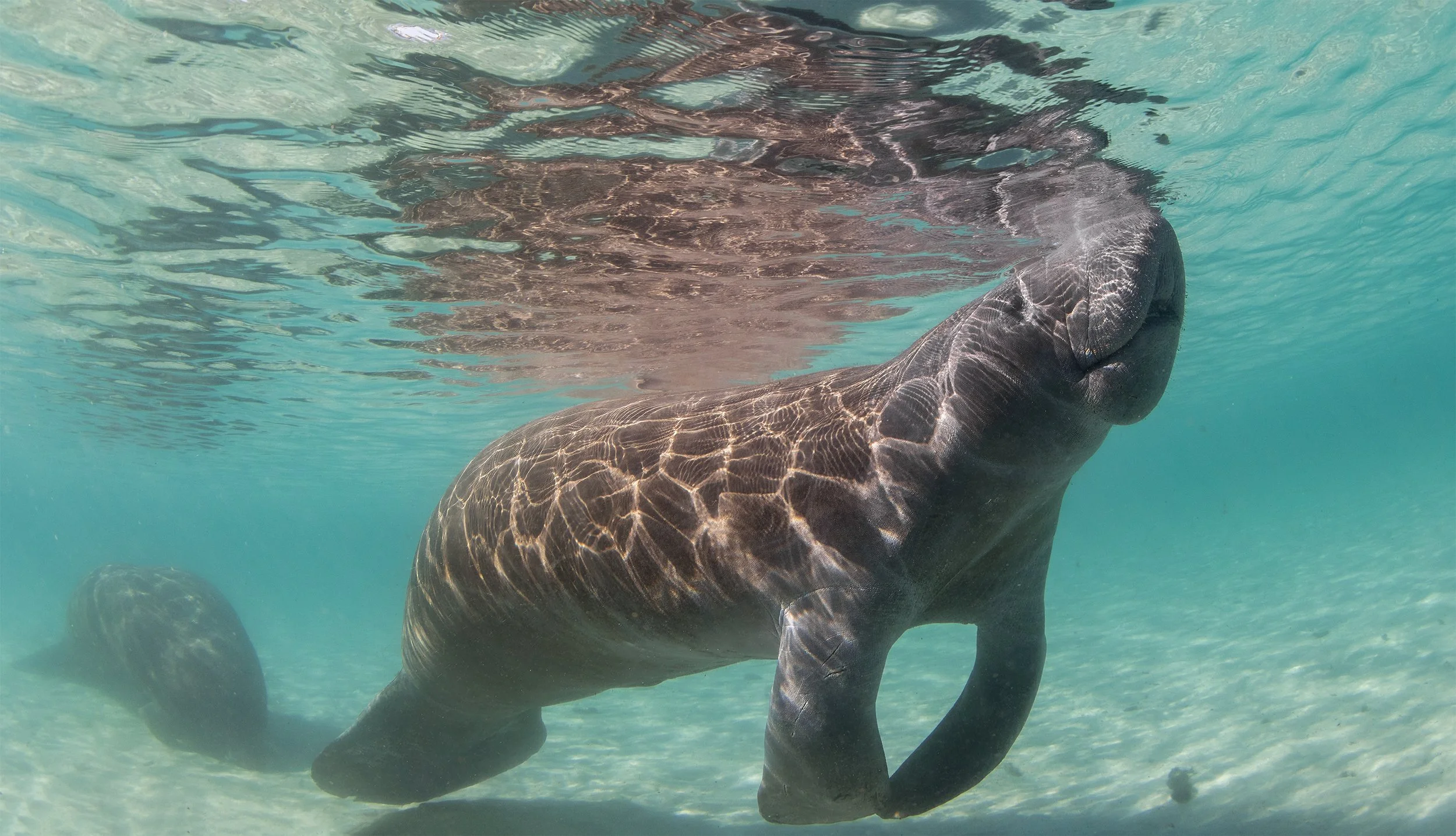
They really are remarkable animals, and a joy to photograph.

I’m already looking forward to getting back here and spending more time learning from these gentle giants.
Why Choose Natural Light for Underwater Photography?

Wildlife photographer Jean Dubois, shooting using natural light… Crocodile Diving off Banco Chinchorro, MX. 1/320, f8, ISO 500

When it comes to underwater photography, strobes are often the go-to choice for professionals. They bring out vibrant colors and allow for incredible detail in any lighting condition. However, there’s another side to underwater photography that’s often overlooked but equally exciting… Natural Light Photography.

This approach leverages ambient light from the sun to create images with a more organic and authentic feel. It’s less intrusive to wildlife, offers greater freedom of movement, and provides a unique challenge that pushes your skills as a photographer.

Black Manta Ray off Socorro Island, Mexico. 1/320, f8, ISO 1000

Let’s dive into why natural light photography is worth exploring.

One of the biggest advantages of natural light photography is the freedom it gives you underwater. Without strobes and bulky strobe arms attached to your camera rig, you’re far more streamlined. This makes swimming easier, especially when free diving or dealing with strong currents.

Great Hammerheads off Bimini Bahamas. 1/320, f8, ISO 320

More importantly, it allows you to move fluidly and follow wildlife with minimal disruption.

Animals are often spooked by flashing lights, but with natural light, you can get closer and stay longer, building trust and capturing more intimate moments.

Natural light photography is less intrusive, which can be a game-changer when photographing sensitive marine animals like sharks, whales, and dolphins. Without the startling pop of a strobe, they are more likely to stay calm and tolerate your presence.

Some of my favorite moments underwater have been with animals mere inches from my dome port, calmly going about their lives. It’s these moments that make natural light photography so rewarding—it’s not just about capturing a shot but trying to experience a genuine connection with the wildlife.

Right Whale off Patagonia, photographed under permit. 1/320, f9, ISO 800

Of course, natural light photography comes with its challenges. The underwater environment absorbs light and color at different depths:

  • Red disappears around 15 feet.

  • Orange fades by 30 feet.

  • Yellow is gone by 60 feet.

  • Greens fade by 100 feet, leaving mostly blues.

This means your ability to capture vibrant images depends heavily on factors like depth, water clarity, and time of day. Cloudy skies or low light conditions can make it even more difficult, requiring careful adjustments to your camera settings.

Great White Shark off Guadalupe Island, MX. 1/320, f8, ISO 400.

Despite the challenges, natural light photography is incredibly rewarding.

It forces you to think creatively, adapt to your environment, and work within the constraints of the available light. But, when you nail the exposure, composition, and timing, the results are nothing short of magical.

To me, natural light images have a raw, authentic feel that strobes can’t replicate. They reflect the beauty of the underwater world as it truly is—dynamic, ever-changing, and awe-inspiring.

Sailfish off Magdalena Island, MX. 1/640, f8, ISO 1600

Is Natural Light Photography for You?

Shooting with natural light allows you the opportunity to connect with wildlife on a deeper level. It’s not just a technique; it’s an experience that pushes you to grow as a photographer and a storyteller.

Stay tuned for the next blog in this series, where I’ll dive into the euphotic zone… the key to understanding how sunlight interacts with the underwater world and how to use it to your advantage.

THIS IS PART 1 OF A 10 PART SERIES.

PART ONE - Is Natural Light Photography Photography For You?
PART TWO - The Euphotic Zone! Your best friend.
PART THREE - Custom White Balance, Natural Lights Secret Weapon.
PART FOUR - Shutter Speed: Freezing Moments Underwater.
PART FIVE - Aperture: Achieving Sharpness and Depth Underwater
PART SIX - ISO: Balancing Light Sensitivity Underwater
PART SEVEN - Focus Points: Keeping Your Subject Sharp Underwater
PART EIGHT - The Histogram: Your Underwater Photography Lifeline
PART NINE - Post-Processing: Bringing Your Underwater Images to Life.
PART TEN - The Freedom of Natural Light Photography: A Connection to the Wild

The search for Sperm Whales Begins!

Today is our first day in and on the water, seeking out sperm whales off Dominica Island.

The stories can be found on our “The Daily’s” page.

We won’t be updating our blog during our time here on Dominica, other than this post of course.

I will be updating the trip report at the end of everyday.

So if you want to know what is going on, please visit the link I will be sharing at the end of this post.

Thank you so much.

Blogging will resume when the sperm whale trip ends…