wildlife expedition guide

Waiting for Wildlife

After more than 20 years of guiding trips and showing people animals, from oceans to forests, there is one thing needed on every single adventure.

Patience.

Animals do not show up on demand.

You have to put in the time. You have to go to the right places during the right time of year. You have to have great guides who understand animal behavior, the landscape, and where to look.

And even if you do everything right, with all the right people...

There are still no guarantees you will see anything.
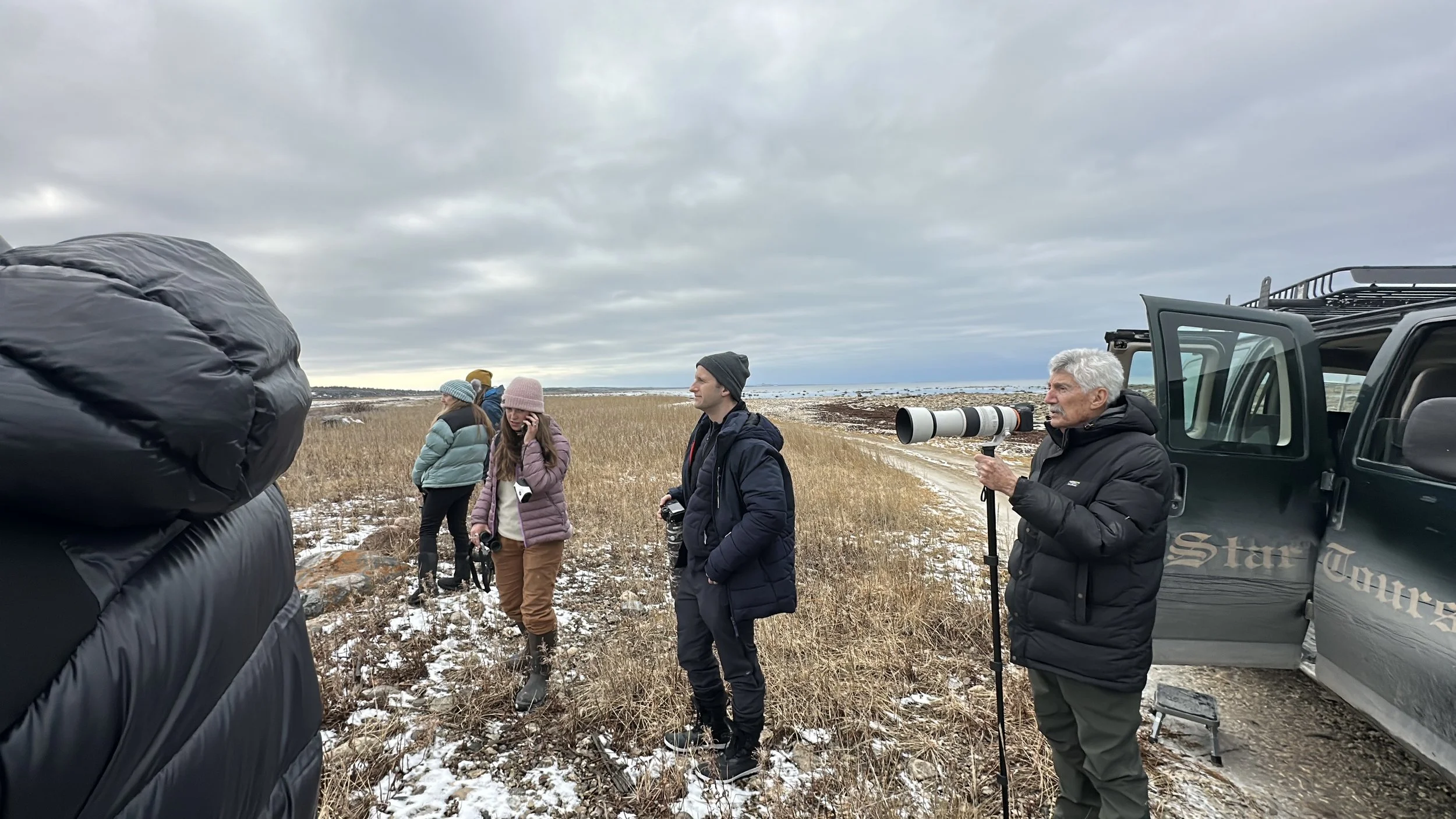
Getting skunked is part of the game.

It’s not the part we want. Nobody travels halfway around the world hoping to spend days searching for an animal that never shows up.

But unfortunately, if you want to find magic, it’s the only game worth playing.

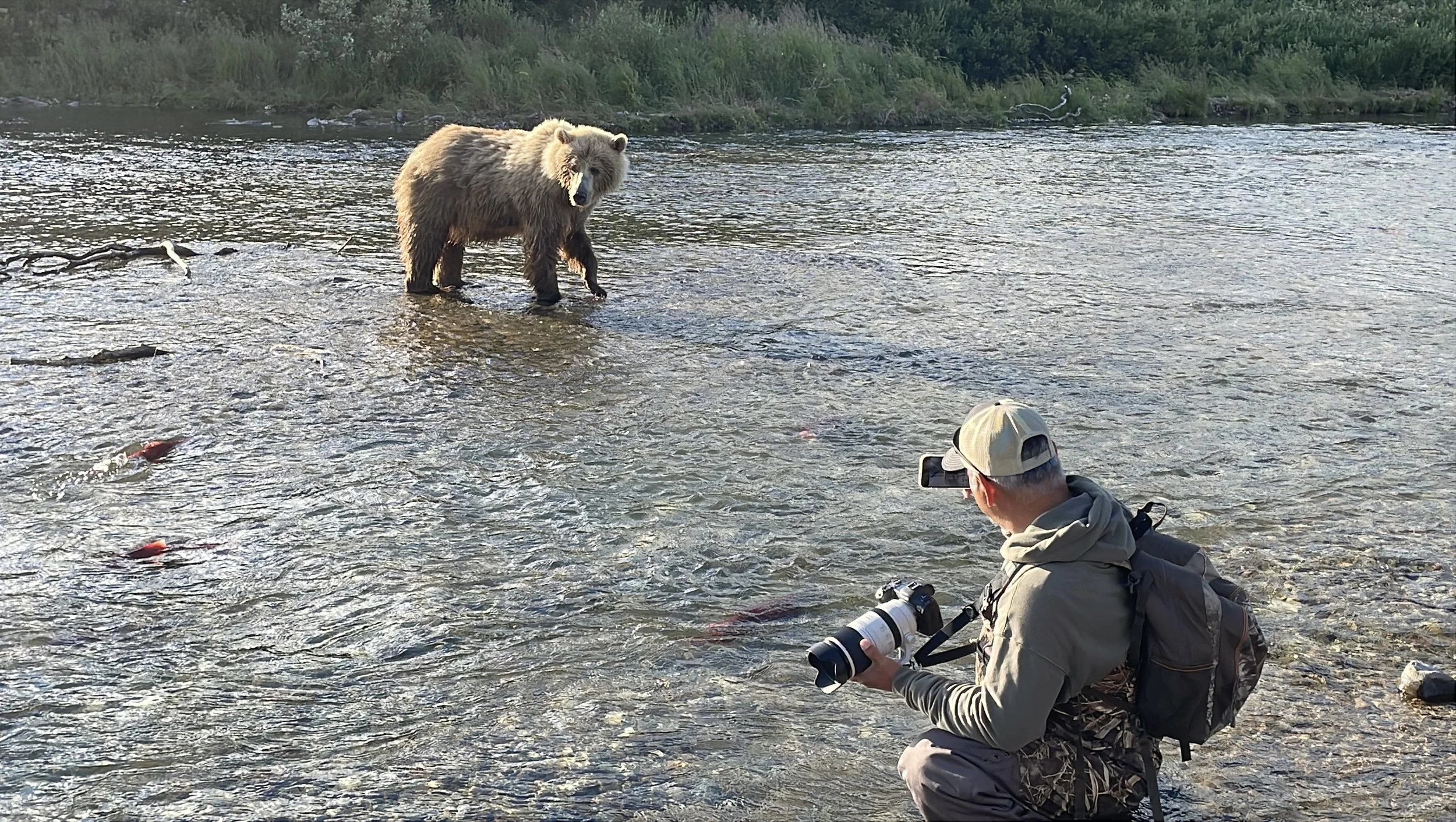
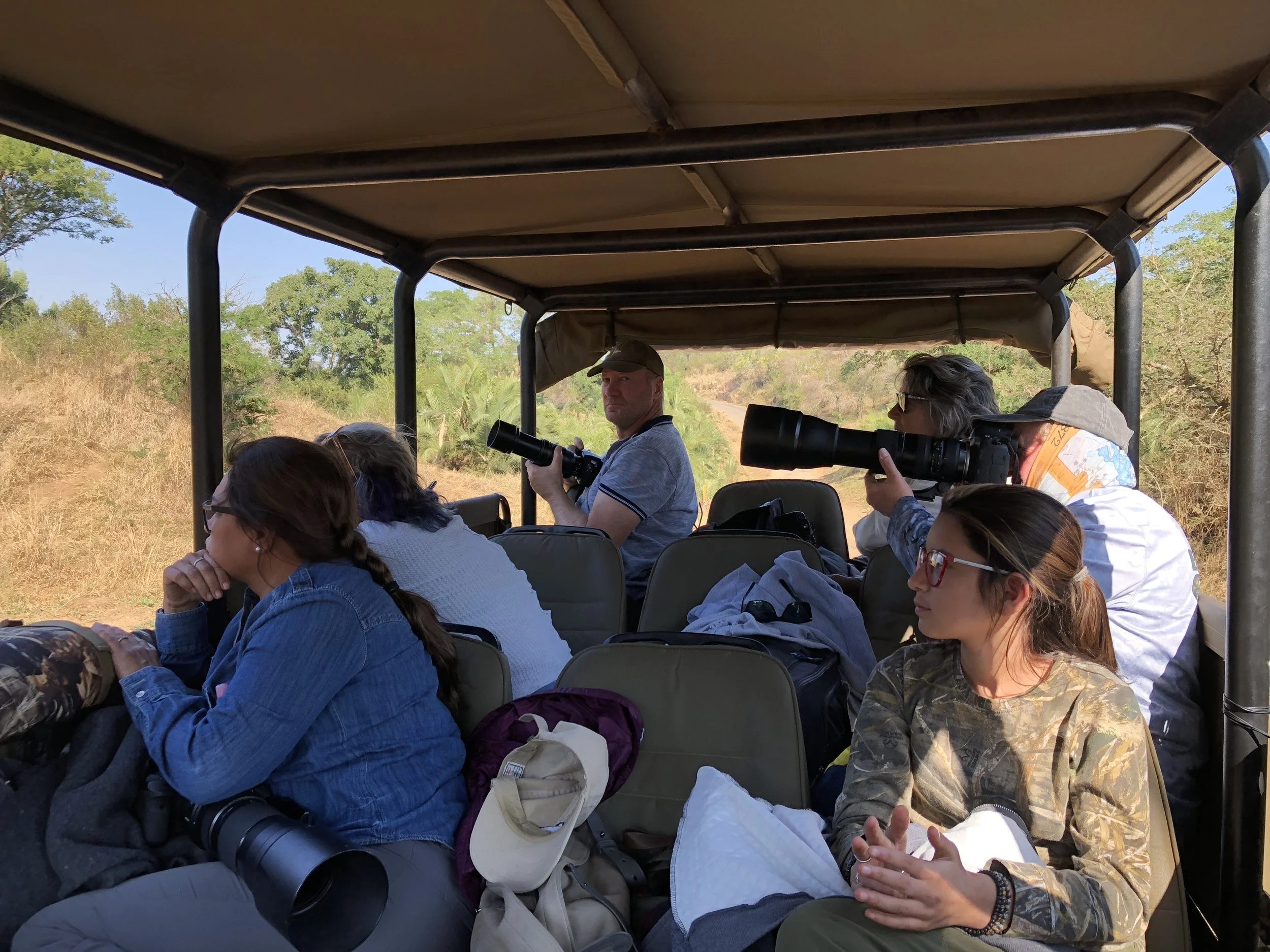
Wildlife trips involve a tremendous amount of downtime. Searching. Waiting. Watching. Driving. Sitting in boats. Staring at empty stretches of ocean or forest and praying that the animal you traveled halfway around the world to see will finally show up.

Sometimes it takes minutes.

Sometimes hours.

Sometimes days.

And sometimes it never happens.
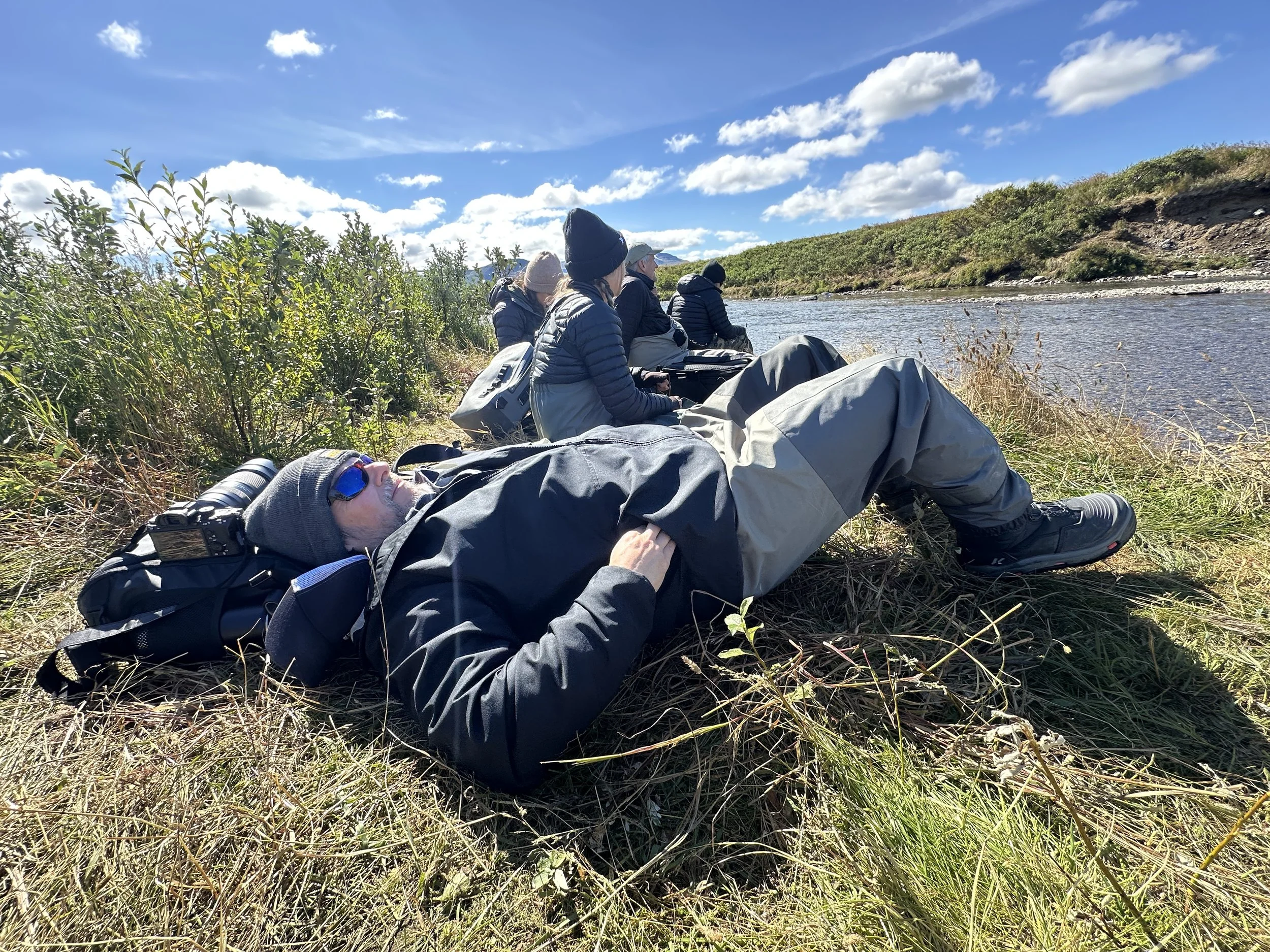
There are no guarantees.

And I am so very thankful for that.

Because that uncertainty is part of what makes these encounters mean so much.

If the animals appeared every time we wanted them to, exactly where we wanted them to, the experience wouldn’t be the same. There would be no anticipation. No search. No incredible rush when somebody suddenly points and says...

“There!”
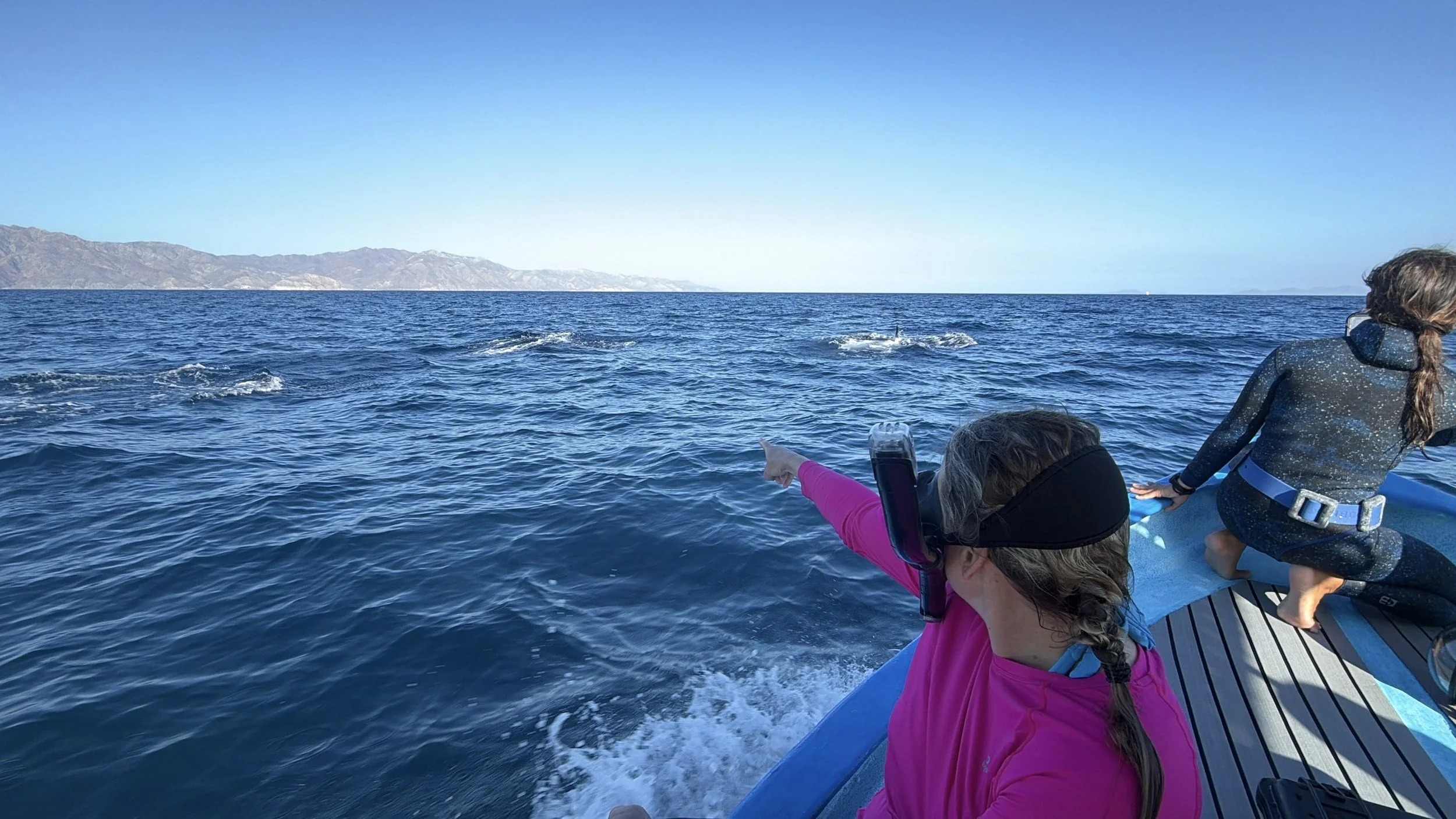
I think one of the most important parts of leading wildlife trips is managing expectations.

And sometimes that means having an uncomfortable conversation before the adventure even begins.

I can tell you when the animals are normally there. I can take you to the places where we have historically had our best encounters. I can put you with great guides who know the animals and know the area.

We can study weather, tides, seasons, behavior, and everything else that might help stack the odds in our favor.

But I can never promise you an animal.

No ethical wildlife guide can.

What I can promise is that we will put in the time.

We will search.

We will work hard.

And when an opportunity presents itself, we will do everything we can to put our guests in the right place to experience it.
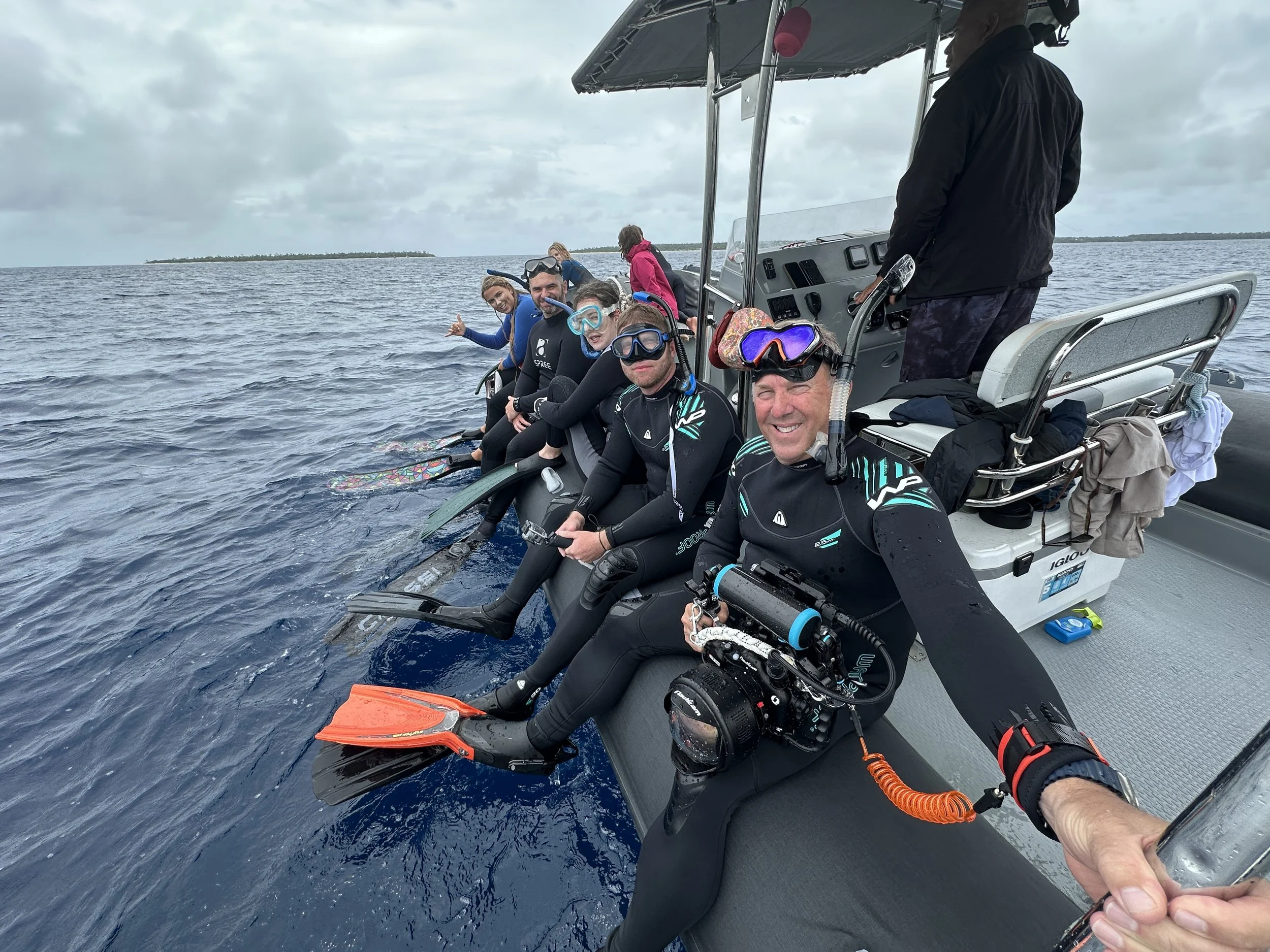
That distinction matters.

Because managing expectations doesn’t mean lowering them.

It means understanding what you are signing up for.

This isn’t a zoo. It isn’t a theme park. There isn’t an animal waiting behind a curtain for us to arrive.

We are entering their world, on their terms.

And I think accepting that before the trip even begins makes the entire experience better.

I’ve seen it countless times over the years. A guest becomes frustrated because the animal hasn’t shown up. Maybe we’ve been searching for hours. Maybe we’ve been searching for days.
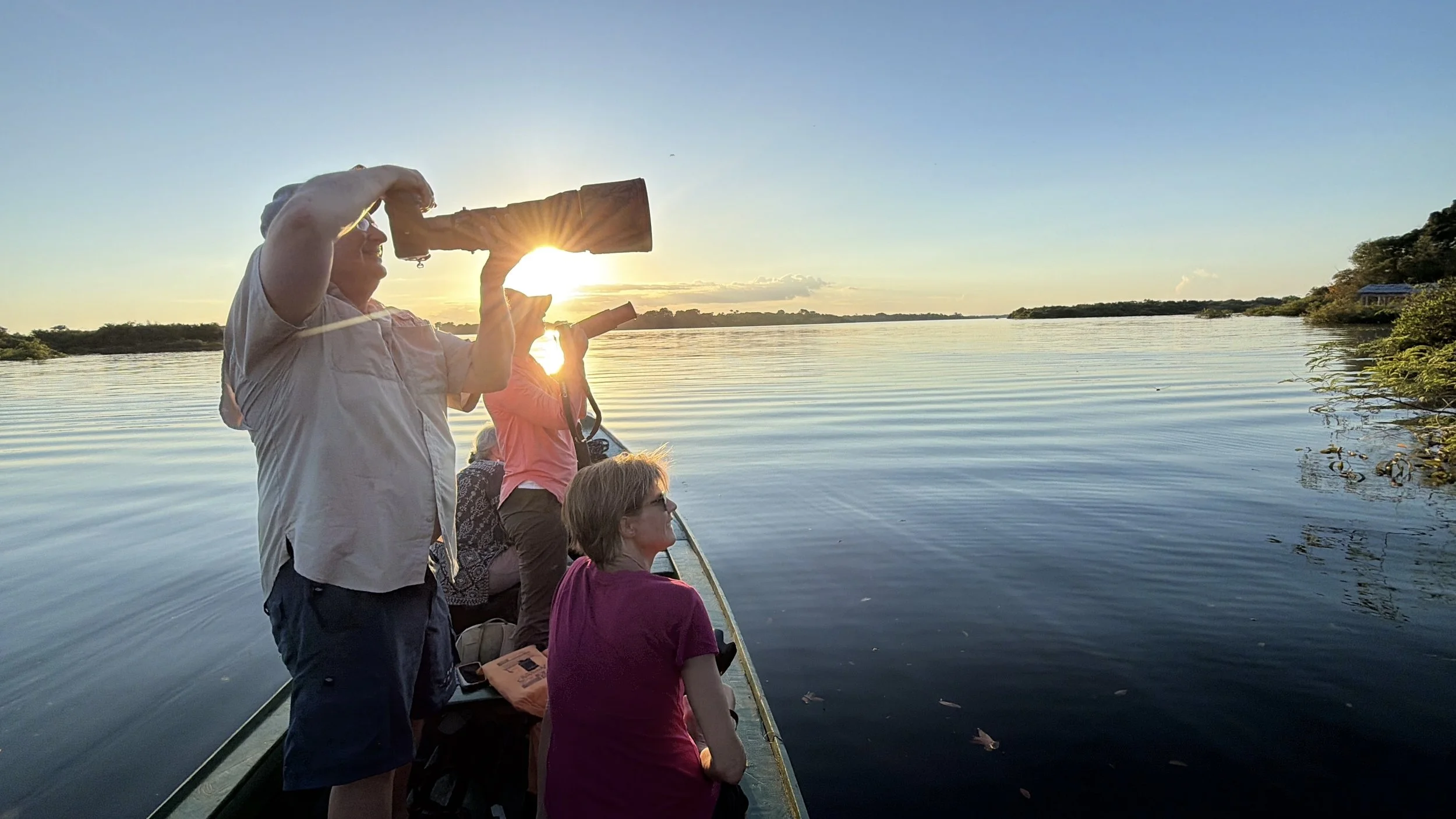
They traveled a long way. They spent a lot of money. They dreamed about this experience for months or even years.

Naturally, they want that encounter.

And I totally understand.

I want it badly as well.

Every guide and trip leader wants their guests to have that incredible moment.

But nature doesn’t care about our schedules.

Wildlife is wildlife.

And in the end, we get what nature decides to give us.
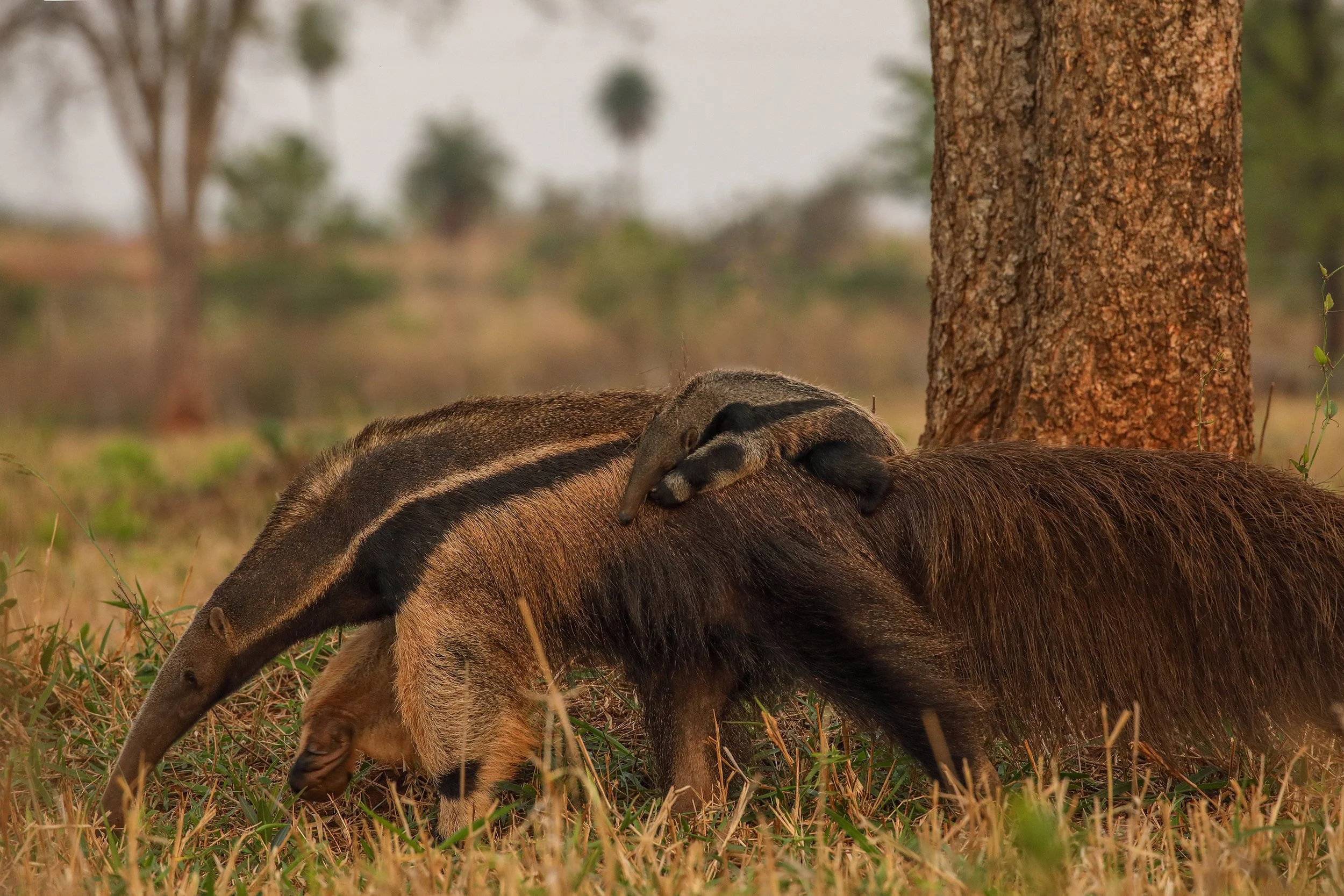
What we are all really searching for is one special encounter.

One magical moment with the animal we have dreamed about seeing.

Just one.

But we have to be willing to put in the time for a chance at it.

Because when that animal finally does show up, especially after hours, days, or sometimes weeks of searching… there are few feelings in the world like it.
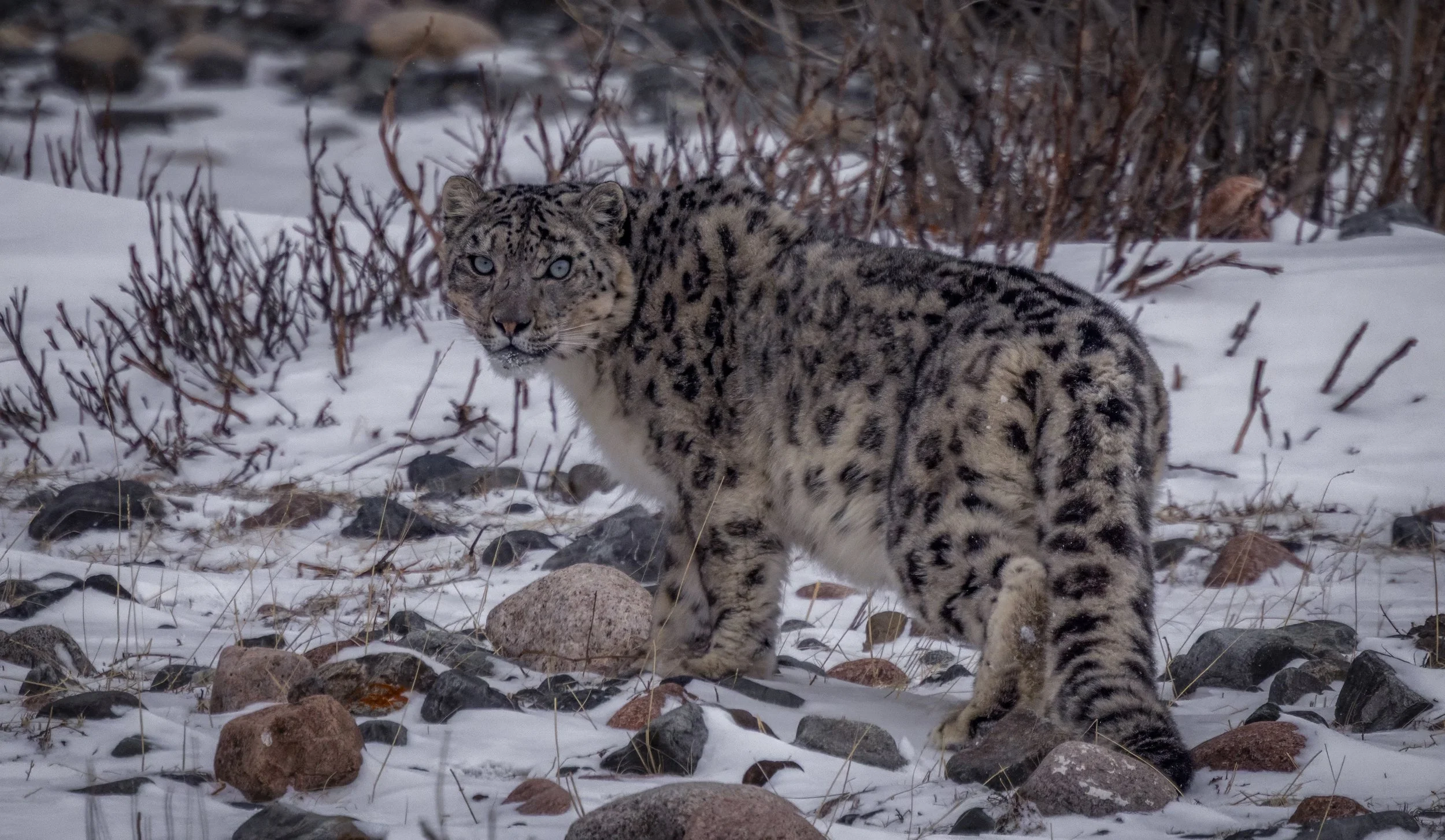
I have experienced it countless times.

Hours of absolutely nothing.

Then suddenly... Everything changes.

A wolf walks out of the forest.

A polar bear appears on the horizon.

A whale rises beside the boat.
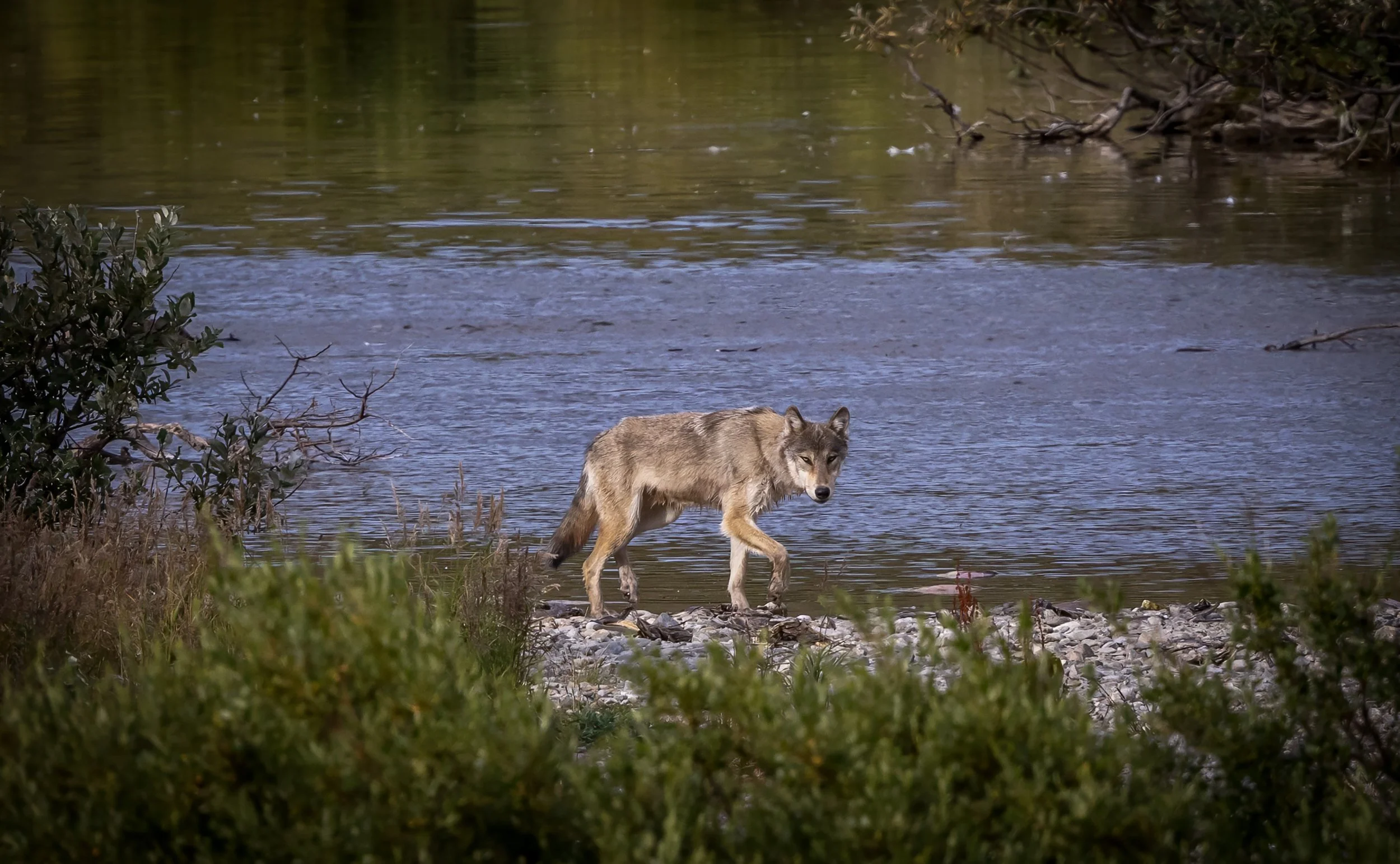
An animal looks directly at you and, for one brief moment, allows you into its world.

The difference between nothing happening and having one of the greatest wildlife encounters of your life can literally be one minute.

That is wildlife.

That is why we search.

And after more than 20 years of doing this, that is still all I want for our friends who travel with us… is to feel that magic moment for themselves.

As a Kid I wanted to Work with Wildlife!

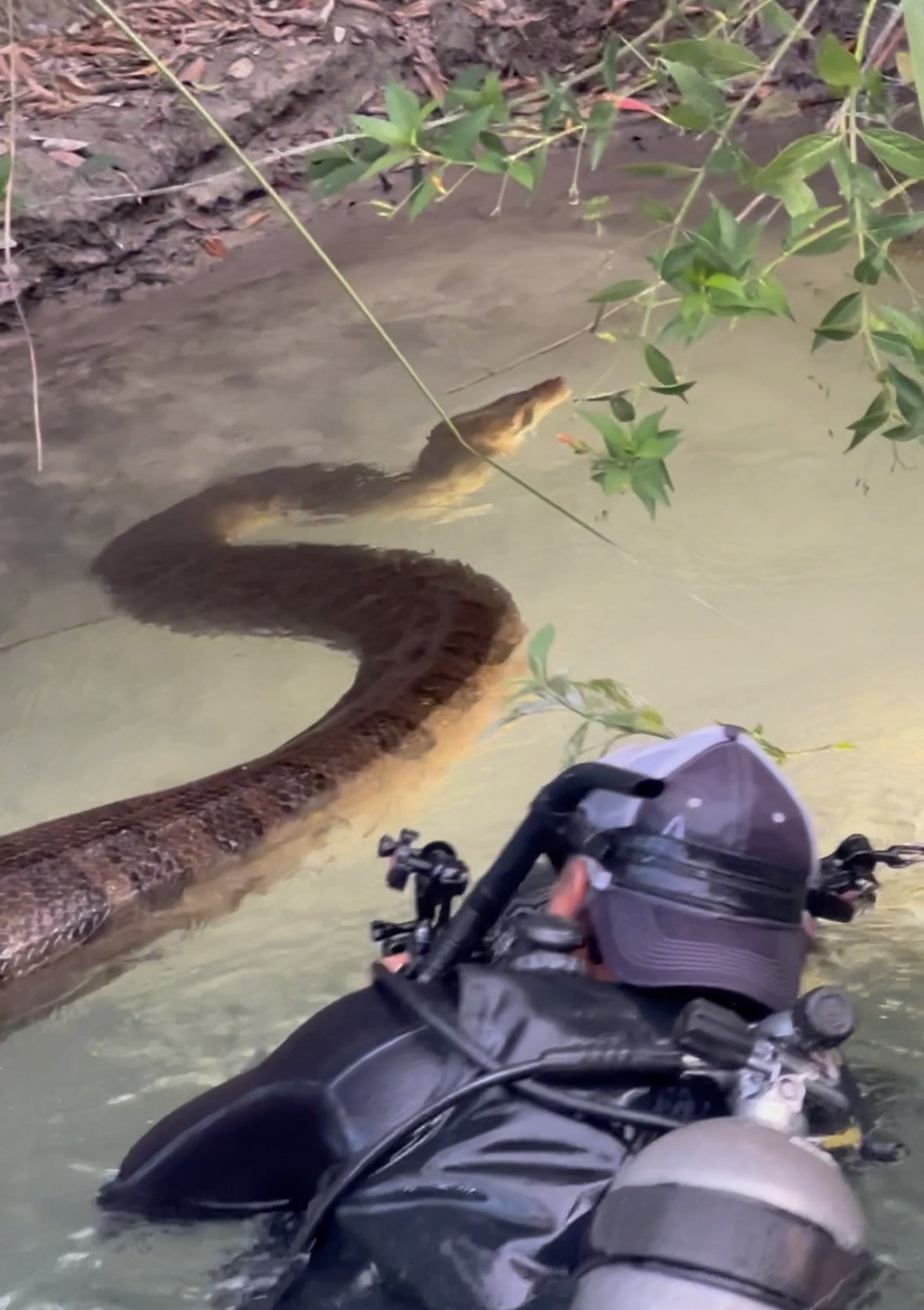
anaconda in the Southern Pantanal, Brazil.

I travel. I keep visiting new places. I keep seeking out new animals. It’s what I love to do, and it’s what I live for.

As a kid, I ate, slept, drank, and dreamed of wild animals. I wanted to be around them every moment of the day. All my toys were animals—until Star Wars came along, then it was Star Wars everything—but my books were always about wildlife. I’d read stories about far-off places where exotic creatures roamed, and I dreamed of being there, of going there.

I grew up in rural South Texas, surrounded by orange orchards, plowed fields of corn and melons (which I still can’t stand to this day), and small ranches with horses and cattle dotting the landscape. Our only neighbors were the Curls. Bob Curl was an old horseman who never liked me much—I asked too many questions, I guess.

My days were spent outdoors, running down dirt roads, flipping over rocks for lizards, chasing snakes, spotting ground squirrels, and watching birds. When evening came, the toads would emerge, and I’d try to catch them. As the sun dipped behind the orchards, fireflies would start blinking across the fields, and I’d run through the dusk trying to grab them, knowing that when the fireflies came out, it was time to head inside.

I’d walk through the door hungry, sweaty, covered in dirt, with a runny nose and a big smile on my face.

It was a good childhood.

Growing up, I wanted to be a veterinarian, but not for cats and dogs. That never interested me much. I dreamed of working with wild animals. I wanted to go to Africa, to treat lions, elephants, giraffes—anything big, wild, and untamed. At the time, it was the only path I knew that could get me close to the animals I loved. I had no idea that wildlife filmmaking, guiding, or photography could be careers. Being a vet was the only way I could imagine making a life out of my passion.

Photographing sperm whales off Dominica. Image by Jean Dubois

That was over forty years ago, and here I am at 51 years old, still eating, sleeping, drinking, and dreaming of wildlife and wild places.

Having a bit of fun, sizing up an American crocodile off Banco Chinchorro, MX. Image by Mark Rangi

Dancing with my beloved tigers, Tiger Beach Bahamas. Image by Jack Meadows.

There’s nothing like being there, stepping into a landscape where a rare animal roams, breathing in air that few have breathed, waiting for that one moment where everything aligns. I understand when I need to keep my distance, and I always do when it’s necessary. And, of course, some animals just aren’t meant to be approached—sadly.

But those moments when I can be close, when there is no blue between us, when a silverback gorilla walks just a few feet away, those are the moments I live for.

Some people call me an adrenaline junkie for it, but I’ve never seen it that way.

I’m not chasing danger. I’m just comfortable in the wild. It feels normal to me. It feels like home.

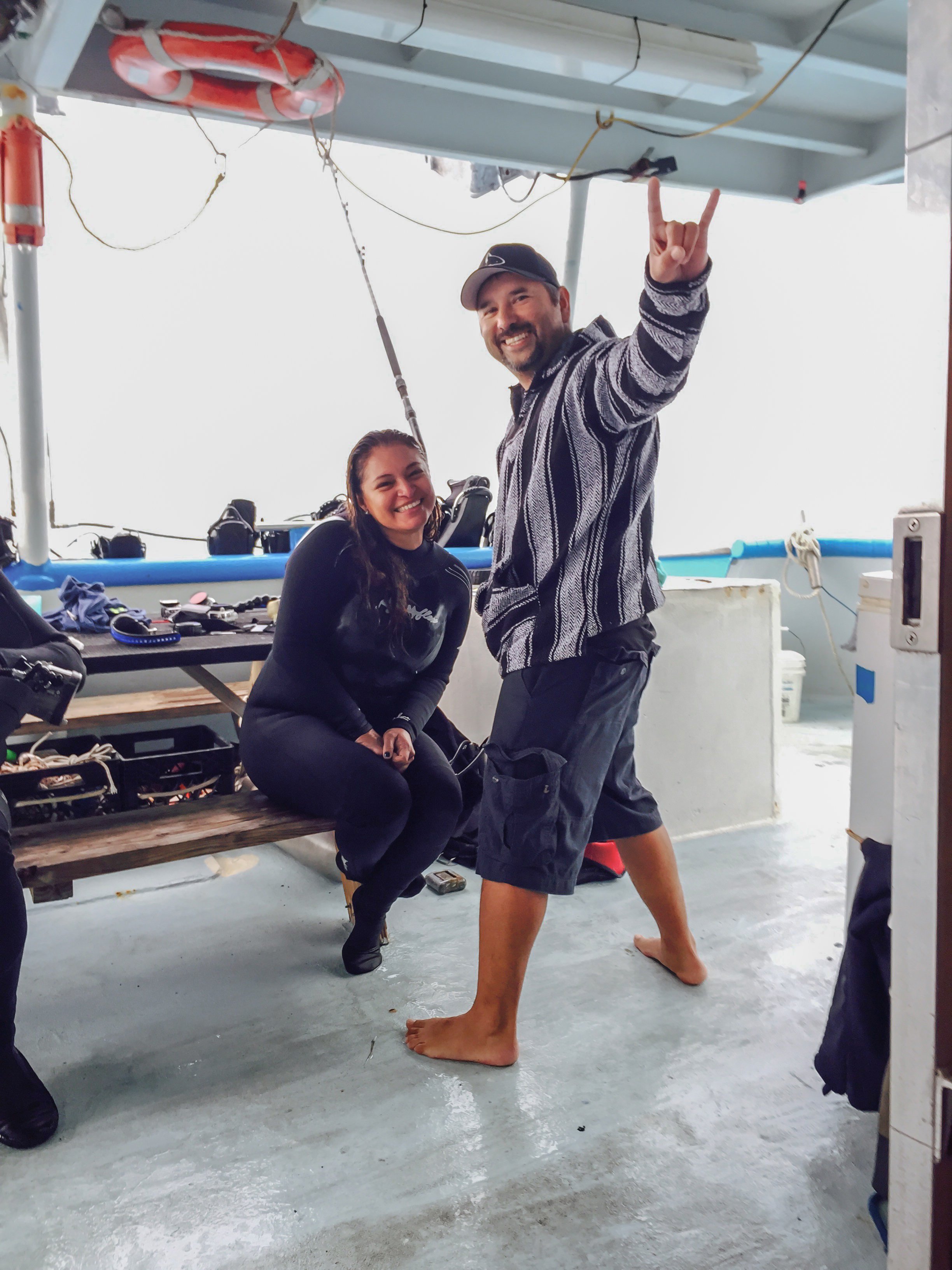
With my partner in crime, Maritza Martinez. Tiger Beach Bahamas.

This year, we’re celebrating twenty years of running wildlife expeditions. It’s crazy to think that this is my job—that taking people to see wild animals is what I do for a living. I’ll never take it for granted. Helping people on their own wildlife journeys, helping them make their dreams come true, gives me purpose.

None of this would have been possible without the love and support of my family, especially my wife, my dad, and my brother. They believed in me and every one of my crazy dreams. Why, I’ll never know. But they did.

As I write this, I wonder what compelled me to share all this. Then I remembered—it was a social media post that sparked it. Someone asked me to tell more of my story, so here it is.

Well, a tiny piece of it.

There’s a lot more to tell—the motorcycle days, the bull riding days, the wild teenage years—but those stories don’t belong here. What does belong here is the reason I do what I do.

As a kid, I wanted to be close to wild animals.

That hasn’t changed. I can’t help it. It’s just the way I am.

My daughter, Sophia, has always joked, "There’s close… and then there’s Eli close."

Giant anteater, Bonito, Brazil.

Writing this has brought back so many forgotten memories—so many moments of my childhood that made me who I am today. Of course, it wasn’t perfect. Nobody’s childhood is. But the good outweighed the bad, and that’s all that matters.

And in the end, this has never been about a career in wildlife.

It has always been about living out a little kid’s dream.

Thanks for reading.