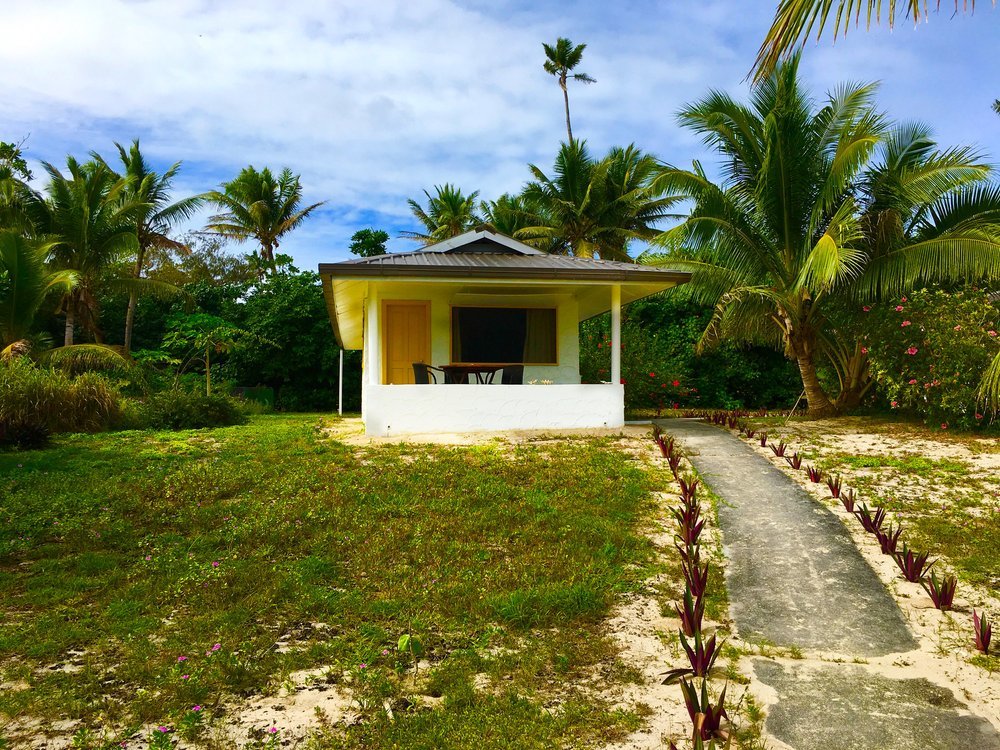
This Isn’t Home… And That’s the Whole Point

There’s something special about the kind of travel that takes you way off the beaten path, into the wild corners of the world where Wi-Fi barely exists, roads are bumpy, and the accommodations are anything but five-star.

Maybe it's a remote village.
Maybe it's a yurt on a hillside.
Maybe it's a dive boat in the middle of the ocean.

Whatever the case, it’s not home.

And that’s exactly why you’re there.

But here’s the thing a lot of travelers forget… you don’t get raw beauty and untouched nature without giving something up.

Some of these places run on generators. Water has to be trucked in. Food supplies are inconsistent. Internet is spotty… if it exists at all. 

And yes, lizards might share your room and you might have frogs in the shower.

And that's just part of it.

I’ve stayed in places where the power went out mid-dinner. Where hot water was a luxury, and A/C was wishful thinking. 

I’ve seen owners of these remote lodges hustling at all hours, juggling fuel deliveries, food runs, and last-minute repairs — so their guests could have the trip of a lifetime.

All while silently hoping that when something does go wrong (as it inevitably will), it doesn’t result in a harsh online review.

These people are building their dream… so you can experience yours.

And they’re doing it in places where nothing is easy.

So cut them some slack. Don’t show up expecting the comforts of your hometown or the polished shine of a U.S. hotel. 

The wild places you visit are raw, wonderful and sometimes wildly inconvenient.

I once heard a tour guide in the Amazon say something that stuck with me:

“Some people travel, but they never really leave home.
They try to bring it with them, and then complain when they don’t find it.”

And when something goes wrong — the boat breaks down, the hotel runs out of water, the power’s out, they fall apart.

But if you can let go a little...

If you can breathe through the discomfort, laugh at the frogs, and embrace the imperfection...

That’s when the magic shows up.

That’s when you find what you came for.
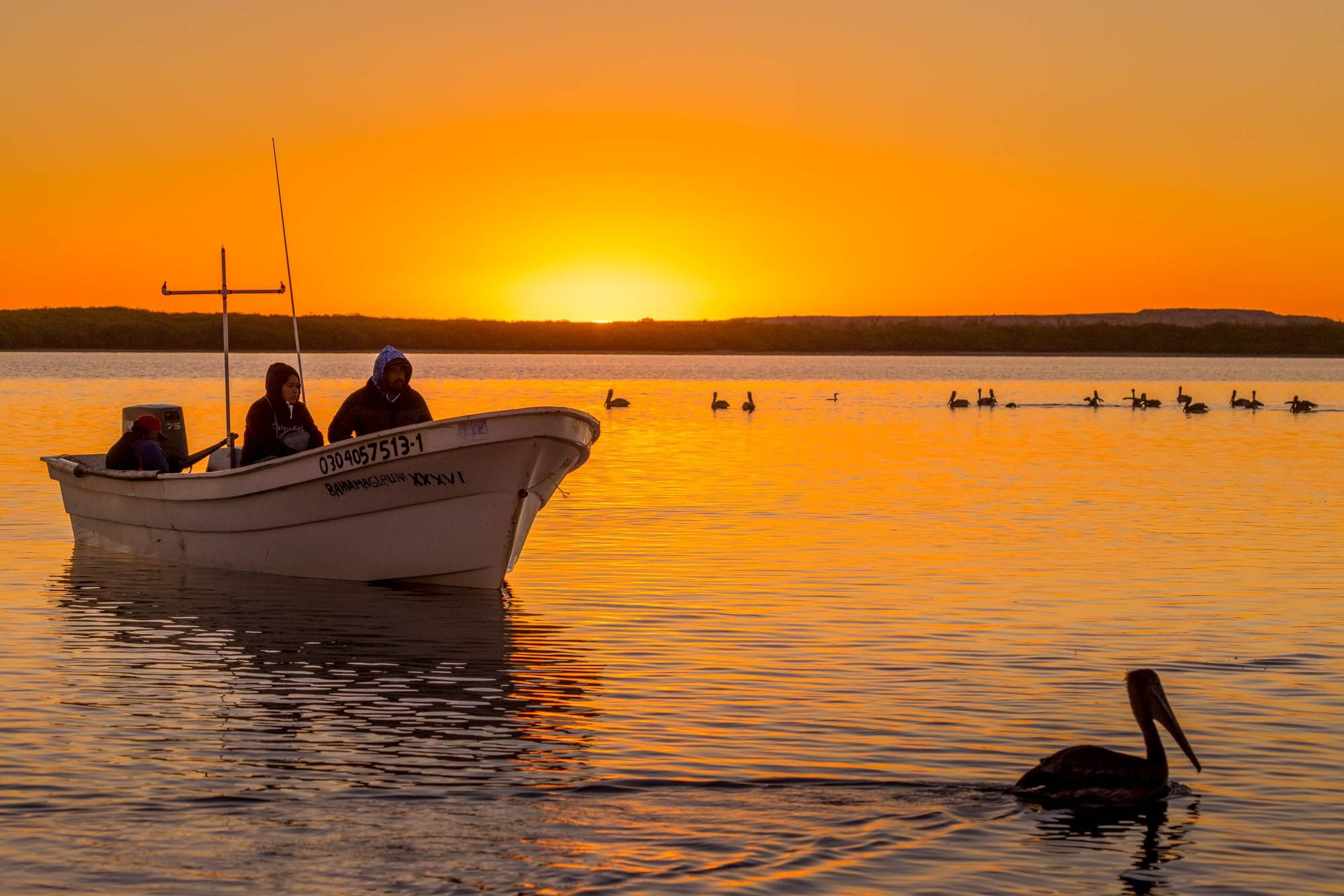
So next time you travel to the edge of the world, bring your sense of wonder, and your patience.

You came for wild skies, salty air, and nights under unfamiliar stars.

The people running these places don’t have it easy.

They’re doing their best in a tough corner of the world, so that YOU can have the trip of a lifetime.

So say thank you. Be kind. And remember… paradise isn’t perfect. 

But it’s worth it.


*New Blogs posted 3–4 times a week. (sometimes more.)
Follow along for fresh stories, trip updates, and raw moments from the wild.


Wild Stories, Campfire Conversations, and the People Who Get It

There’s something magical that happens when you get a bunch of wildlife people in the same place. Doesn’t matter if it’s at a bar, on a boat between dives, or sitting on folding chairs next to a camp fire, the stories start flowing.

We talk about animals, always.

The ones we’ve seen. The ones that got away. The ones we dream of seeing.

Someone brings up narwhals. Someone else chimes in about jaguars in the Pantanal. Suddenly we’re deep in a conversation about baitball dives in Baja, snow leopards in Mongolia, or the best way to photograph a crocodile without getting bit.

These are my favorite moments.

It’s not just about the animals, it’s about the people who love them.

People who think nothing of hiking for days, diving into cold water, or sitting still for hours just for the chance to be near wildlife. These are my people. And when we trade stories, ideas, and plans — it lights something up in me.

Then the camera talk starts.
What lens did you use for that shot?
Regular wide angle or fisheye?
“Do you go all-in for that curved look, or keep it classic and clean"

We geek out, no shame. Settings, sensors, shutters, sun angles. This is our language.

We swap gear tips. Locations. Talk about permits, timing, behavior, ethics, and instinct.
But more than anything, we remind each other why we do this.

It’s about connection. Not just to the animals, but to each other.

So here’s to the campfire chats.
The late-night idea swaps.
The “what if we went here?” and the “you’ve gotta see this place.”

If you’ve ever shared stories like that with me, thank you.
And if you haven’t yet… I hope we get to sit around and talk about wild things someday soon.

Back in Baja – Two Weeks Left of Magic

10PM. Trying to get some sleep but my clock is off. Today my day began with a 5am flight from Texas to Baja.

Long travel day, but totally worth it the moment I stepped off the plane and felt that familiar Baja breeze, or lack there of. There’s something about this place that instantly grounds you; the light, the air, the energy.

I Love Mexico!

Tomorrow, our guests arrive, and on Monday we kick off a brand-new week of diving. With just two weeks left in our season, we’re fully present for every moment. These will be our final Baja trips before we head off to the next location.

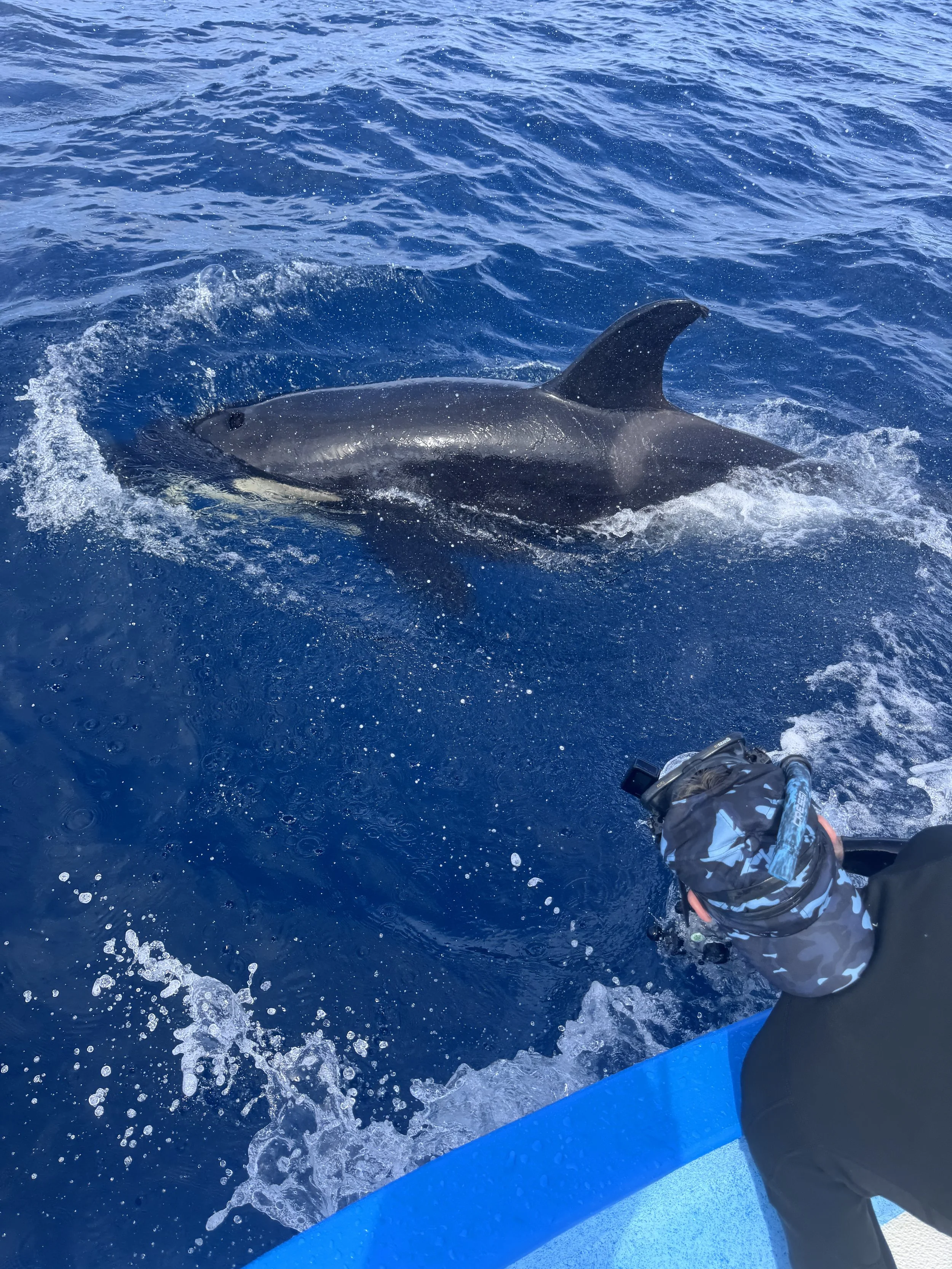
We have 12 days to find as much wildlife in the Sea of Cortez as possible, including my dream: photographing orcas hunting mobula rays. It’s one of nature’s most elusive events, and every day out here gives us another chance to witness something extraordinary.

As always, we’re hoping for favorable conditions, smooth seas, and an ocean full of life.

Our team is ready to help us find amazing things, the vibes are high, and cameras are fully dialed in (Gloria is itching to go!), we are prepped for anything the wild decides to throw our way.

And just like previous trips, I’ll be sharing daily trip reports throughout the experience. If you missed the first four, you can catch up anytime by visiting our Dailys Page.

This is it. The final stretch. Can’t wait!

Two more weeks in one of the most amazing places on Earth... going to make every day count.

🦈 The Shark That Changed Everything

Bull Shark off Playa Del Carmen, MX. 1/320, f10, ISO 1000

It was my very first ocean dive. I was in Cozumel, Mexico, drifting clumsily over the reef, still overwhelmed by the sheer beauty of it all; the colors, the movement, the vastness.

I was a new diver, wide-eyed and breathing way too fast, trying to take it all in.

Then my divemaster pointed down.
And there it was.

A bull shark, cruising calmly near the bottom.

I was flooded with emotion, awe, fear, curiosity, all mixed together. Part of me wanted to swim toward it, to see it closer. Another part of me wanted to turn and get out of the water as fast as I could.

All I knew about sharks at that time was what I had learned from movies and the media: that sometimes, they eat people.

Lemon Shark getting it’s teeth cleaned off Tiger Beach, Bahamas, i/320, f9, ISO 800

Shortly after that moment, my tank ran low, a classic rookie mistake. I was breathing too hard, too fast. And instead of surfacing with me, my dive master sent me up alone.

Such a terrible thing to do with a new diver.

Blue Shark off Cabo San Lucas, MX. 1/320, f9, ISO 1000

I’ll never forget floating there on the open surface, alone, terrified, staring down into the deep blue, knowing there was a shark somewhere below me. I had no idea where the boat was.

It took a while for the boat to find me, or at least it felt like it took a while.

The boat eventually found me. As I sat there catching my breath, my mind was racing.

Why didn’t the shark come after us?
Why didn’t it rise up and eat me?
Why? Why? Why?

Oceanic Whitetip off Dominica Island, Caribbean. 1/320, f9, ISO 1250

And that was it.
That moment, that one encounter… it changed everything.

Because everything I thought I knew about sharks was wrong.

And I needed more.

That single dive, over 26 years ago, sent me on a path that I’m still walking today. I’ve spent decades diving with sharks around the world, and I’m still asking questions.

Caribbean Reef Sharks off Tiger Beach Bahamas. 1/320, f9, ISO 500

Because the more I know, the more I realize how much I don’t know.

And that’s what I love most about these animals.

They keep me curious, they keep me humble… and they keep me coming back for more.

Conservation Starts in Your Backyard

We often think of conservation as something that happens in distant lands, deep in the Amazon, under Arctic ice, or on remote coral reefs.

But the truth is, conservation begins much closer to home.

It starts in our backyards, in the spaces just beyond our doorsteps. And what we do in these small spaces matters far more than most of us realize.

Nature is deeply connected.

What happens in your yard, your neighborhood, your town, ripples outward.

The fertilizer you use, the trees you plant (or cut down), the wildlife you welcome or chase away... it all echoes beyond your fence line.

Where I live in South Texas, we were once one of the world’s top bird-watching destinations. Our skies were filled with vibrant migrations, hundreds of species passing through, season after season.

But I’ve seen it change… Fast.

Habitat destruction, the heavy use of pesticides, and the disappearance of wild spaces are pushing our birds away, or worse, pushing them to extinction. Every year, the number of birds that make their way through here shrinks.

It’s not a slow fade anymore… It’s alarming.

And it’s not just birds. Insects. Mammals. Reptiles. It’s all connected.

A bird loses its nesting ground because we removed a native tree. That loss affects the insects it feeds on, the predators that rely on it, and the plants that relied on its movement for pollination.

It’s a domino effect… And we’re seeing those dominos fall.

I’ve spent years traveling the world photographing wildlife, from gorillas in Uganda to polar bears in the Arctic. And I’ve learned that the health of the wildest places is directly influenced by the choices we make in the tamest ones.

We’re part of this system too.

The more we care for the patch of earth we’re standing on, the more likely we are to protect the rest of it.

Conservation doesn’t just belong to scientists or global organizations. It belongs to all of us.

So let’s start small.

Let native plants grow wild. Put up a water bowl for the birds. Skip the pesticides.

Teach your kids to love snakes instead of fear them. Celebrate the raccoons and coyotes and opossums that pass through your neighborhood.

They’re part of the web too.

Because when you care for your backyard, you’re not just helping your local ecosystem, you’re helping the planet… One connected piece at a time.


A Day in the Life of a Wildlife Guide and Photographer… Why This Name Finally Feels Right.

Over the years, I’ve named and renamed this blog more times than I can count.

Each time, I was trying to capture what we do, the energy of the work, the magic of the wildlife, the grit of the journey. But nothing ever quite felt right. It just didn’t fully reflect who I am or what this life is actually like.

Until now.

I’ve finally landed on a name that feels good:
A Day in the Life of a Wildlife Guide and Photographer.

It fits, because that's truly what this blog and my YouTube channel have become, a window into what we do out there.

Not just the epic moments with polar bears, orcas on the hunt, or dancing with sharks... but the full reality of our days in the field.

The early mornings.
The gear failures.
The missed sightings.
The quiet days where the ocean feels empty.
The magic we chase anyway.

If you’ve watched my YouTube videos, you already know they’re far from polished.

They’re raw, in-the-moment, and definitely flawed, but I love them that way. They’re honest.

They share the heart and soul of what we experience out there.

Until now, I’ve mostly shared highlights, those big, cinematic moments when nature delivers something unforgettable. And don’t get me wrong, I’ll keep sharing those.

But I’ve been thinking…

Maybe it’s time to start sharing the lows, as well.

The days when nothing shows up.
The long waits.
The breakdowns.
The hours of effort that go into those brief flashes of beauty.

It might bore some people.

But some might find it refreshing. Real. Even inspiring.

Because that’s what these trips are actually like.

Wild places don’t follow scripts. And neither do we.

So, this name, “A Day in the Life of a Wildlife Guide and Photographer” is more than just a title. It’s a direction. For this blog. For our channel. For how I want to tell these stories.

Thanks for being here, and for following along on this wild ride.

Let’s see what tomorrow brings.


Thank you for reading our Blog.

*New Blogs posted 3–4 times a week.
(sometimes more.)
Follow along for fresh stories, trip updates, and raw moments from the wild.

Travel Day. Goodbye Baja… Sort of.

May 24 – Travel Day
I'm headed home! It’s wild how fast these past four weeks have flown by, packed with magic, incredible wildlife, wild weather, and unforgettable moments shared with amazing people. I feel so lucky and humbled that this is my job. That I get to introduce people to wildlife, help them along their photography journey, and tell stories through it all.

Now I’m sitting here thinking: what are they seeing out in Baja’s waters today?

Actually, never mind. I probably don’t want to know… FOMO is real.

I already miss Baja, but thankfully I’ll be back in just two weeks. This is a short break. Originally, I was supposed to head to Africa to swim with Nile crocodiles, but that trip has been postponed until later. More on that another time.

For now, I’m going to recharge with some much-needed family time, do laundry, get some fresh merchandise made (I’m out of ball caps and my SDM t-shirts are worn to death), and then head back to Baja, because I’ve got unfinished business.

Top of the list? Orcas hunting mobula rays. That’s the moment we’re after.

We did witness them kill and eat a mola mola, which was incredible to see. Felt bad for the mola—but that’s the circle of life.

In the ocean, something is always eating something else. Molas have to eat, and so do orcas.

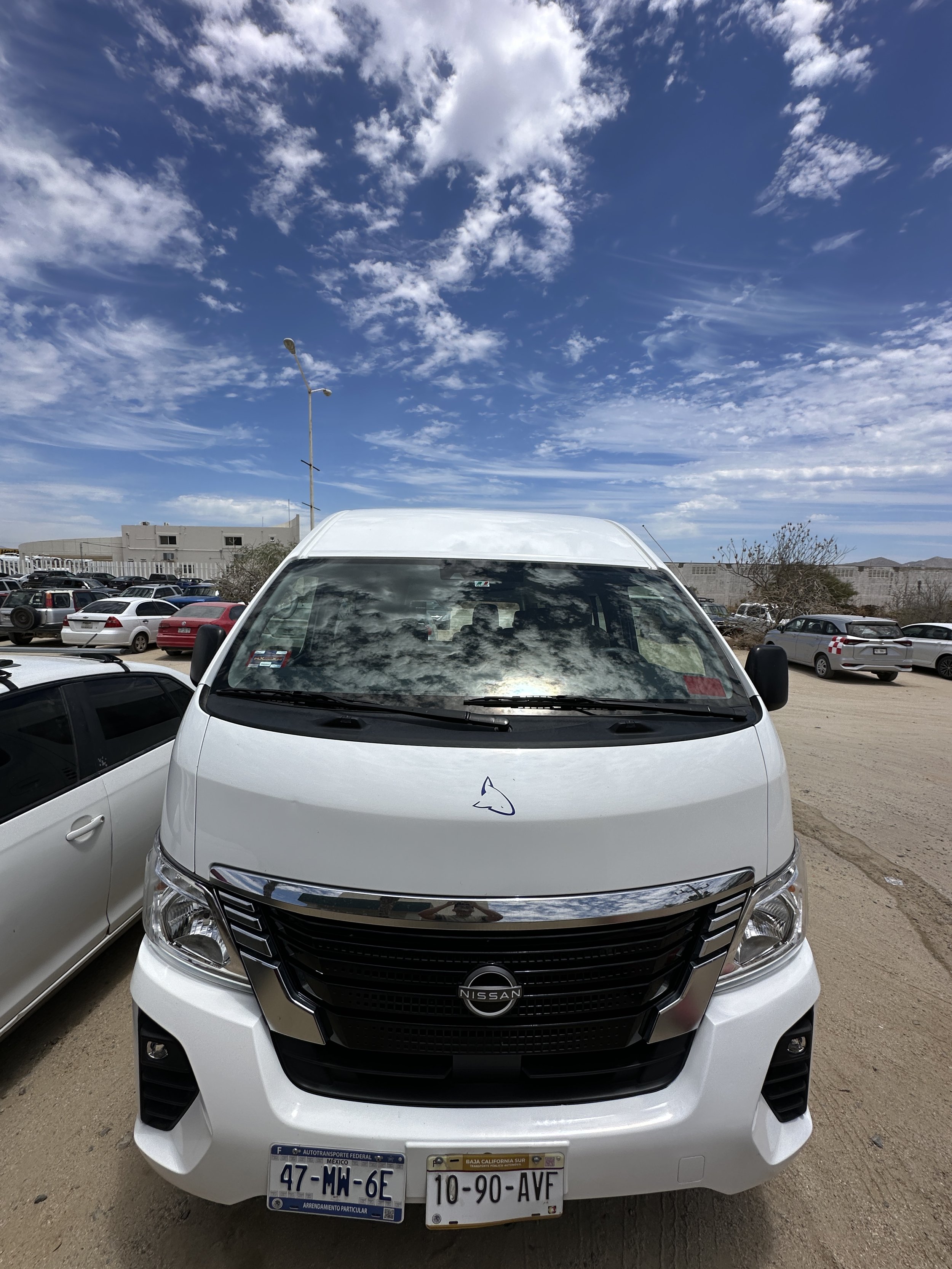
I woke up at 5 a.m. today to drive two hours to the airport and drop off our trusty van, Beluga. She was good to us—reliable, sturdy, and part of the team.

I always feel a little guilty peeling off the Tibby sticker from her nose before returning her to the rental company. I know it sounds strange to get sentimental about a van, but I really believe things carry meaning. Maybe not a heartbeat like ours, but they have a kind of spirit, especially when they’ve carried you through an adventure.

During this short break, I’ll be editing a few YouTube videos, writing daily blogs, and sharing behind-the-lens stories from our time in Baja, including what it took to get specific shots.

Right now, I’m sitting in the Houston airport, waiting for one last flight home… and still wondering what they saw out there today in Baja.

Damn it. I really don’t want to know... but yeah, I do.


Thank you for reading our Blog.

*New Blogs posted 3–4 times a week.
(sometimes more.)
Follow along for fresh stories, trip updates, and raw moments from the wild.

The Shot You’ll Never Get... And Why It Still Matters.

In wildlife photography, we’re taught to chase the shot, to anticipate, to prepare, to capture the moment when everything aligns.

But every once in a while, the moment comes… and the shot doesn’t.

And that’s okay.

Image by Ines Goovaerts

I’ve missed more shots than I’ve taken. I’ve been in the perfect position to take the picture when the animal moves into perfect light, while I was still fumbling with my settings, and I didn’t get the shot.

Some of those missed shots still sting… probably always will.

But others have become the ones I cherish most.

Because being there, fully there, was more powerful than any photo I could have taken.

There’s a kind of magic in the moment that doesn’t let itself be captured.

You experience it with your whole body: the light, the movement, the presence of something wild that is also curious about you. And when you lift your camera and miss the focus, or the animal moves away, or the settings are wrong, it doesn’t erase the magic.

It just reminds you… you’re not in control.

That’s the truth of this work. We can train, study behavior, know our gear, scout the light—but in the end, nature decides.

And that’s what makes the shot, when it comes, so meaningful.

Because the ones you don’t get?
They shape you.
They sharpen your eye.
They teach you what the camera can’t.

Sometimes, those moments, the ones no one else sees, the ones only you were present for, become the ones that stay with you the longest.

And maybe that’s the real image you came for.


Thank you for reading our Blog.

*New Blogs posted 3–4 times a week.
(sometimes more.)
Follow along for fresh stories, trip updates, and raw moments from the wild.

Where the Magic Lives

Tonight, I was in Baja having dinner with my guests. We were walking into the restaurant when I overheard Mike, one of our guests, talking about how he hurt his knee while falling at an active volcano.

What made me laugh wasn’t the story… it was how normal the conversation sounded.
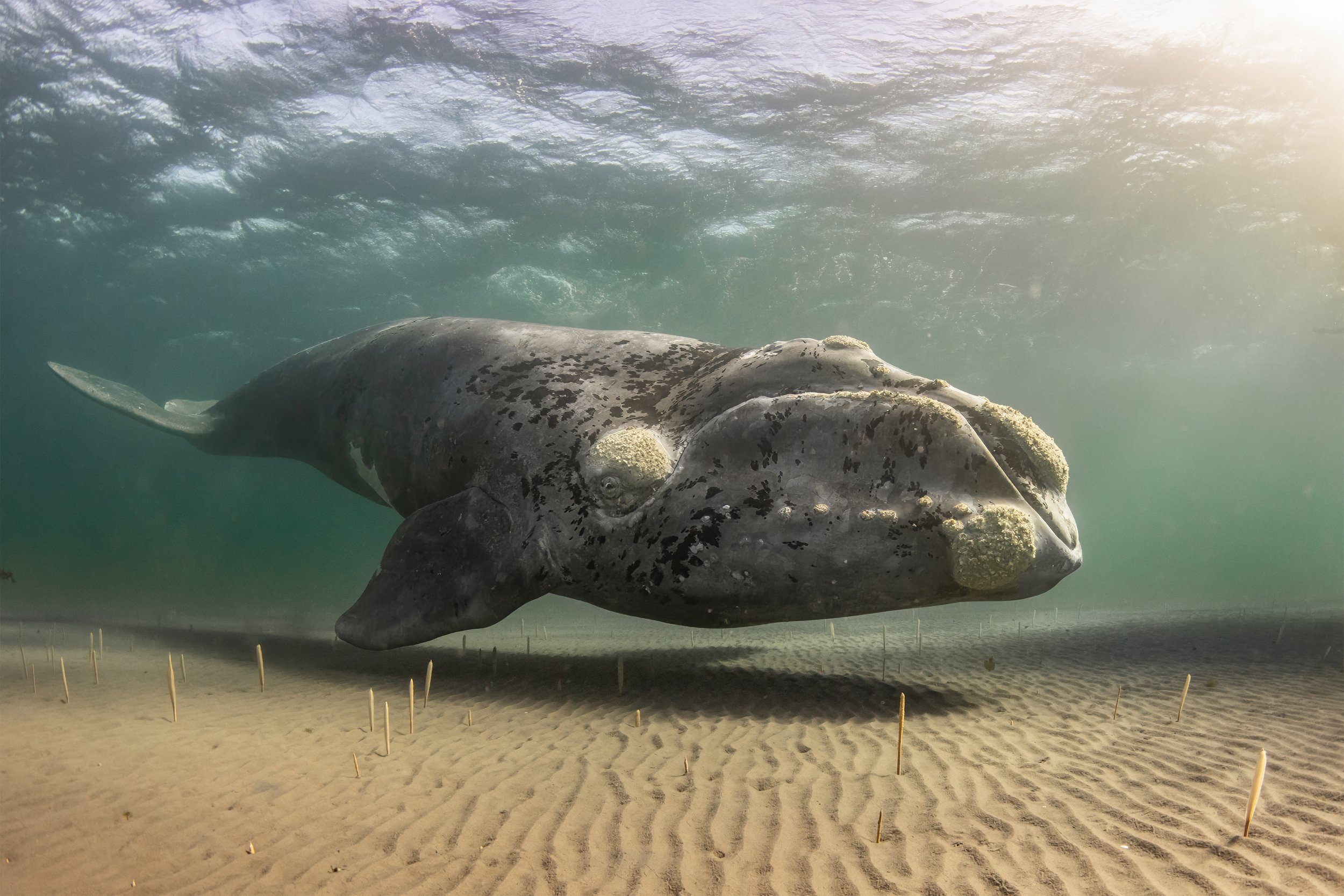
In our world, talking about photographing an active volcano, diving with crocodiles, or photographing polar bears is just part of life.

These aren’t once-in-a-lifetime experiences, they’re Tuesday night conversation over dinner.

The people in this little circle we move through... they’re all the same, yet so incredibly different.

We come from completely different walks of life, different countries, careers, cultures, but here, in this space we share, we’re all kindred spirits.

And it shows.

We talk about the animals we want to see next, the places we’ve been, and the ones still calling to us. We laugh about cold-water dives, close passes, gear failures, and surprise encounters with wild things.

It doesn’t sound exotic. It doesn’t sound special. It just sounds like us, going through the motions of being who we are... or maybe who we were born to be.

It’s in those little moments—over beers, under stars, or walking into a Baja restaurant, that I realize just how rare this tribe is.

We don’t all look the same.

We don’t all talk the same.

But we all know where the magic is.

And we all want to stay there as long as we possibly can.

📸 Gloria – A Love Letter to My Underwater Housing

Image by Brad Roaman

I’ve never written about a camera system before—but Gloria deserves her moment.

For nearly 10 years, Gloria, my Aquatica housing for the Canon 5D Mark IV, has been right by my side.

From the Arctic seas to the warm rivers of Brazil, she has traveled the world with me. She's been the one constant in my journey as an underwater photographer.

*I’m not sponsored by Aquatica. This isn’t a sales pitch or a review—it’s just a thank you.

It’s a love letter to a piece of gear that has never let me down.

Image by Brad Roaman

Gloria has been dropped, dragged through the sand, banged around in pangas, and tossed into rinse buckets more times than I can count. But no matter where I’ve taken her, she’s held up.

She’s compact, tough, and reliable, and she’s done everything I’ve ever asked of her. From zero-visibility dives in the Amazon to crystal-clear encounters with orcas in Baja—Gloria has delivered.

Thanks to this housing, I’ve been able to grow and evolve as a photographer. Every shark pass, every dolphin glide, every rare wildlife moment captured underwater—Gloria helped make it happen.

That One Time She “Failed” Me (And Saved Me)

There’s only been one moment when Gloria didn’t respond.

I was at 150 feet—far deeper than I should have been. A couple dolphins had been hovering in front of me at 90 feet and were sinking slowly. I sank with them, caught in the moment. I think they did that on purpose.

Suddenly, my camera stopped working. I quickly tried to troubleshoot it, checking buttons and switches, but nothing was responding. In that moment of confusion, I looked at my depth gauge—and realized just how deep we had gone.

That brief equipment failure snapped me out of the moment. I ascended and regrouped. Looking back, I think Gloria was trying to tell me, “We’re not supposed to be here.”

So nope… she didn’t fail me. She helped keep me safe.


Image by Rodrigo Friscione

MY DOME PORT

Glass dome ports are beautiful—no doubt about it. They are the best way to photograph underwater. But I’ve always used acrylic. And here’s why:

Acrylic is forgiving. We live hard on our gear. From sandy beaches to rough boat rides to fast gear swaps in bad weather, things get banged up. If you scratch a glass dome, it’s game over. But acrylic? It is so forgiving.

I keep a bottle of Novus Fine Scratch Remover in my gear bag at all times. With a little care, I’ve been able to keep my dome port mostly scratch-free—even after all these years. And that’s saying something.

No, it’s not perfect. But it's good enough to keep shooting. And that’s what matters.

Underwater photography is demanding. The moments are fleeting. The conditions are brutal. But Gloria, has never let me down.

She’s helped me tell stories, capture dreams, and build a career I’m proud of.

So here’s to my girl.
To those perfect moments.
The wild places.
The calm water and the chaos.
To the images.
The close calls, and the quiet reliability.

Thank you, Gloria. You’ve been more than just a housing... You’ve been a partner.

What’s in My Bag: Gear I Trust and Recommend

Over the years, I’ve built a kit that works for me in real-world conditions.
Here are the essentials I always carry:

  • Aquatica Housing for Canon 5D Mark IV – My workhorse. Rugged, compact, and reliable.

  • Novus Fine Scratch Remover – Essential for acrylic dome maintenance.

  • Acrylic Dome Port – Not flashy, but field-tested and field-repairable.

  • Portable Handheld Comprerssed Airduster – Discovered thanks to my friend Brad. This thing removes water from buttons and seams so I can change batteries and cards between dives without risking leaks.

  • Lint-Free Cloths & Microfiber Towels – A single piece of lint inside your dome port can ruin a shoot. These help me avoid that nightmare.

*These aren’t “sponsored” items. They’re just the tools I rely on—gear that has helped me get the shot and stay in the water for over a decade.


Thank you for reading our Blog.

*New Blogs posted 3–4 times a week.
(sometimes more.)
Follow along for fresh stories, trip updates, and raw moments from the wild.