The Euphotic Zone: Your Best Friend in Natural Light Photography

Beluga Whale off Churchill, Canada. 1/400, f9, ISO 1000.

This is Part 2 of 10 Part Underwater Natural Light Photography Series.

When shooting underwater using natural light, the euphotic zone is your playground. This is the uppermost layer of water that sunlight penetrates, and it’s where natural light photography truly comes to life. Understanding how light interacts with water in this zone is essential for creating stunning underwater images.

What is the Euphotic Zone?

The euphotic zone is the part of any body of water that receives bright and clear sunlight. Even in turbid, murky water, there’s always a euphotic zone—though it might only extend a few inches deep. In the tropics, where water clarity is exceptional, the euphotic zone can extend well beyond 260 feet—far past recreational diving depths.

This zone is where sunlight, or ambient light, allows photographers to capture natural, vibrant underwater scenes. For those relying on natural light, the euphotic zone is your best friend.

Pink Dolphin in the Amazon River, Brazil. 1/320, f5.6, ISO 2000

Here are two examples of wildlife thriving in very different Euphotic Zones: the pink dolphin of the Amazon River and the lemon shark of the Bahamas. Each represents the unique beauty and diversity of life in their distinct aquatic worlds. The pink dolphin thrives in the dim, low-light conditions of the Amazon River, navigating its murky waters with remarkable adaptations that allow it to flourish in this unique environment. In stark contrast, the lemon shark thrives in the clear, sunlit waters of the Bahamas, where high visibility and abundant light create the perfect conditions for this sleek predator to navigate and hunt.

Lemon Shark at Tiger Beach, Bahamas. 1/320, f8, ISO 400

How Light Behaves Underwater

Light behaves very differently underwater than it does on land. Water is about 800 times denser than air, which causes light to scatter and absorb quickly as it penetrates. The deeper you go, the more light—and color—you lose.

Hawksbill Sea Turtle off Playa Del Carmen, MX. 1/320, f5, ISO 800

Here’s how color disappears at different depths:

  • Red vanishes around 15 feet.

  • Orange fades by 30 feet.

  • Yellow disappears by 60 feet.

  • Green is absorbed around 100 feet, leaving only blues.

This means that the deeper you dive, the more muted and monochromatic your images will appear. Natural light photographers need to work within these limitations to create vibrant and well-exposed photos.

Whale Shark off Isla Mujeres, MX. 1/320, f9, 1/800

Tips for Working in the Euphotic Zone

  1. Stay Shallow:
    The closer you are to the surface, the more light and color you’ll have. For the best results shoot wildlife above 30 feet where reds and oranges are still visible.

  2. Time Your Dives:
    Early morning and late afternoon offer soft, diffused light that can add mood and dimension to your photos. Midday dives provide the most light penetration, which is great for capturing vibrant colors at deeper depths.

  3. Understand Water Clarity:
    Clear tropical waters extend the depth of the euphotic zone, while murky or nutrient-rich waters will reduce it significantly. Adjust your expectations and camera settings accordingly.

  4. Position the Sun Behind You:
    Just like on land, keeping the sun at your back ensures your subject is well-lit and shadows are minimized. Unless you are going for an artsy image and then you want your subject to be backlit by the sun.

Tiger Shark at Tiger Beach, Bahamas. 1/250, f8 ISO 400

The Challenges of the Euphotic Zone

Natural light photography in the euphotic zone is not without its difficulties. Clouds, tides, and weather can all affect light penetration. Additionally, the further you descend, the harder it becomes to maintain vibrant colors without proper camera settings and techniques like custom white balance (which I’ll cover in a future post).

Why the Euphotic Zone is Worth It

Despite the challenges, the euphotic zone offers unparalleled opportunities for natural light photographers. The sunlight filtering through water creates breathtaking effects, like god rays that cut through the blue, or the shimmering light patterns on the ocean floor. These natural phenomena can add depth and drama to your images, creating compositions that feel both authentic and otherworldly.

Sealion off Baja, MX. 1/400, f9, ISO 640

Why Choose Natural Light for Underwater Photography?

Wildlife photographer Jean Dubois, shooting using natural light… Crocodile Diving off Banco Chinchorro, MX. 1/320, f8, ISO 500

When it comes to underwater photography, strobes are often the go-to choice for professionals. They bring out vibrant colors and allow for incredible detail in any lighting condition. However, there’s another side to underwater photography that’s often overlooked but equally exciting… Natural Light Photography.

This approach leverages ambient light from the sun to create images with a more organic and authentic feel. It’s less intrusive to wildlife, offers greater freedom of movement, and provides a unique challenge that pushes your skills as a photographer.

Black Manta Ray off Socorro Island, Mexico. 1/320, f8, ISO 1000

Let’s dive into why natural light photography is worth exploring.

One of the biggest advantages of natural light photography is the freedom it gives you underwater. Without strobes and bulky strobe arms attached to your camera rig, you’re far more streamlined. This makes swimming easier, especially when free diving or dealing with strong currents.

Great Hammerheads off Bimini Bahamas. 1/320, f8, ISO 320

More importantly, it allows you to move fluidly and follow wildlife with minimal disruption.

Animals are often spooked by flashing lights, but with natural light, you can get closer and stay longer, building trust and capturing more intimate moments.

Natural light photography is less intrusive, which can be a game-changer when photographing sensitive marine animals like sharks, whales, and dolphins. Without the startling pop of a strobe, they are more likely to stay calm and tolerate your presence.

Some of my favorite moments underwater have been with animals mere inches from my dome port, calmly going about their lives. It’s these moments that make natural light photography so rewarding—it’s not just about capturing a shot but trying to experience a genuine connection with the wildlife.

Right Whale off Patagonia, photographed under permit. 1/320, f9, ISO 800

Of course, natural light photography comes with its challenges. The underwater environment absorbs light and color at different depths:

  • Red disappears around 15 feet.

  • Orange fades by 30 feet.

  • Yellow is gone by 60 feet.

  • Greens fade by 100 feet, leaving mostly blues.

This means your ability to capture vibrant images depends heavily on factors like depth, water clarity, and time of day. Cloudy skies or low light conditions can make it even more difficult, requiring careful adjustments to your camera settings.

Great White Shark off Guadalupe Island, MX. 1/320, f8, ISO 400.

Despite the challenges, natural light photography is incredibly rewarding.

It forces you to think creatively, adapt to your environment, and work within the constraints of the available light. But, when you nail the exposure, composition, and timing, the results are nothing short of magical.

To me, natural light images have a raw, authentic feel that strobes can’t replicate. They reflect the beauty of the underwater world as it truly is—dynamic, ever-changing, and awe-inspiring.

Sailfish off Magdalena Island, MX. 1/640, f8, ISO 1600

Is Natural Light Photography for You?

Shooting with natural light allows you the opportunity to connect with wildlife on a deeper level. It’s not just a technique; it’s an experience that pushes you to grow as a photographer and a storyteller.

Stay tuned for the next blog in this series, where I’ll dive into the euphotic zone… the key to understanding how sunlight interacts with the underwater world and how to use it to your advantage.

THIS IS PART 1 OF A 10 PART SERIES.

PART ONE - Is Natural Light Photography Photography For You?
PART TWO - The Euphotic Zone! Your best friend.
PART THREE - Custom White Balance, Natural Lights Secret Weapon.
PART FOUR - Shutter Speed: Freezing Moments Underwater.
PART FIVE - Aperture: Achieving Sharpness and Depth Underwater
PART SIX - ISO: Balancing Light Sensitivity Underwater
PART SEVEN - Focus Points: Keeping Your Subject Sharp Underwater
PART EIGHT - The Histogram: Your Underwater Photography Lifeline
PART NINE - Post-Processing: Bringing Your Underwater Images to Life.
PART TEN - The Freedom of Natural Light Photography: A Connection to the Wild

Photo of the Day: Cenote Diving for a Morelet’s Crocodile in Tulum

1/250, f/9, ISO 1600

Today’s photo takes me back to an unforgettable cenote dive in Tulum, Mexico. I had the opportunity to go searching for a Morelet’s crocodile with a local guide and friend Tamara, who knew just the right spot where one of these elusive creatures is often sighted.

What made this dive unique was being able to use scuba gear. Typically, my crocodile encounters happen while snorkeling, but here I had the rare chance to explore the lagoon with a tank on my back. Cenote diving is an adventure in itself, with stunning swim-throughs, intricate rock formations, and the magical effect of light piercing through the water to create ethereal god rays.

We swam through the cenote for a while without any sign of the crocodile.

Just as we were beginning to think it might not show, we entered one of the cenote’s caves. Deep inside, in a small breathing hole, we finally spotted the croc. It seemed to be hiding there to escape the crowds of snorkeling tourists.

1/250, f/9, ISO 1600

Our bubbles inadvertently disturbed its rest, (sorry buddy), and it swam out of the cave and back into the lagoon. I followed it for a while, capturing different angles as it swam off. This Morelet’s crocodile was very calm, clearly habituated to humans. It allowed me to get close and take some fun shots.

I love crocodiles, their prehistoric features make them such fascinating and photogenic subjects.

1/200, f/9, ISO 1600

Photographing Morelet’s crocodiles in a cenote presents a unique challenge—low light, murky water, and the need for precision in settings. Unlike shooting in open ocean or bright sunlit environments, cenotes create a dim, shadowy atmosphere where every camera setting becomes a delicate balancing act.

One of the biggest obstacles was managing light without sacrificing clarity. The thick overhead canopy and deep water columns absorbed natural light, forcing me to make critical adjustments on the fly.

To compensate for the darkness, I had to lower my shutter speed while still keeping it fast enough to freeze any sudden movement. Bumping up my ISO was unavoidable, knowing that noise would creep into the image, but it was a necessary trade-off to maintain exposure.

I kept my f-stop at 9 to ensure the entire crocodile remained in focus. A wider aperture would have helped let in more light, but losing depth of field wasn’t an option. I wanted the full length of the animal sharp.

This meant dealing with increased noise in the shadows, a challenge that would later require noise reduction editing in post. But in that moment, it was about getting the shot, adjusting in real-time, and working with the limited natural light.

Photographing a predator like this in such conditions forces you to trust your instincts, adapt your settings, and embrace the imperfections that come with shooting in extreme environments.

1/200, f/9, ISO 1600

I spent about half an hour photographing the croc, enjoying the animal and the scenery before leaving it alone to continue its day.

It’s been a while since that adventure, but I’m due to return for another opportunity to capture this amazing animal in its natural habitat. Cenote diving is a unique experience, and sharing space with an animal like this only adds to the magic.

Through the Lens: Capturing Wildlife Moments That Tell a Story

Wildlife photography is so much more than just taking a picture. It’s about telling a story—one that evokes emotion, inspires awe, and sometimes even drives conservation efforts.

Through your lens, you’re not just capturing an image; you’re sharing a piece of the natural world that many people will never experience firsthand.

Polar Bears Play wrestling in the Churchill River, Canada. 1/5000, f5.6, ISO 1250

Great wildlife photography begins long before you press the shutter.

It starts with understanding animal behavior, researching the environment, and having the right gear for the job. Having good guides that know when and where to find your subject can make all the difference in the world.

Juvenile Elephant Seal. Patagonia, Argentina. 1/1600, f5.6, ISO 250

Timing your trips around migrations or mating seasons can provide incredible opportunities to witness unique behaviors.

Mating Atlantic Spotted Dolphins off Bimini, Bahamas. 1/500, f8, ISO 1000

Equally important is your equipment. While you don’t need the fanciest gear, having the right lens and a camera that performs well in low light can help make your shots better.

Arctic Fox off Churchill, Canada. 1/1600, f11, ISO 640

HOT TIP. Always carry extra batteries and memory cards—you never know when the perfect moment will happen. If nothing else I shared doesn’t resonate, remember this tip… I learned this one the hard way.

Blue Sheep Kibber Valley, Himalayas, India. 1/2500, f11, ISO 2000

Capturing dramatic compositions is key to creating images that stand out.

Use natural light to your advantage, whether it’s the golden glow of sunrise or the soft hues of sunset. Pay attention to your background and how it might complement your subject.

Sealion hunting baitballs off Magdalena Bay, Baja. 1/500, f8, ISO 1250

For fast-moving animals, mastering your camera’s focus settings is essential. Practice panning with moving subjects to achieve sharp focus on the animal while keeping a sense of motion in the image. And don’t be afraid to experiment—sometimes, the unexpected angles produce the most compelling results.

Jaguar hunting a yellow anaconda, Northern Pantanal Brazil. 1/4000, f5.6, ISO 1600

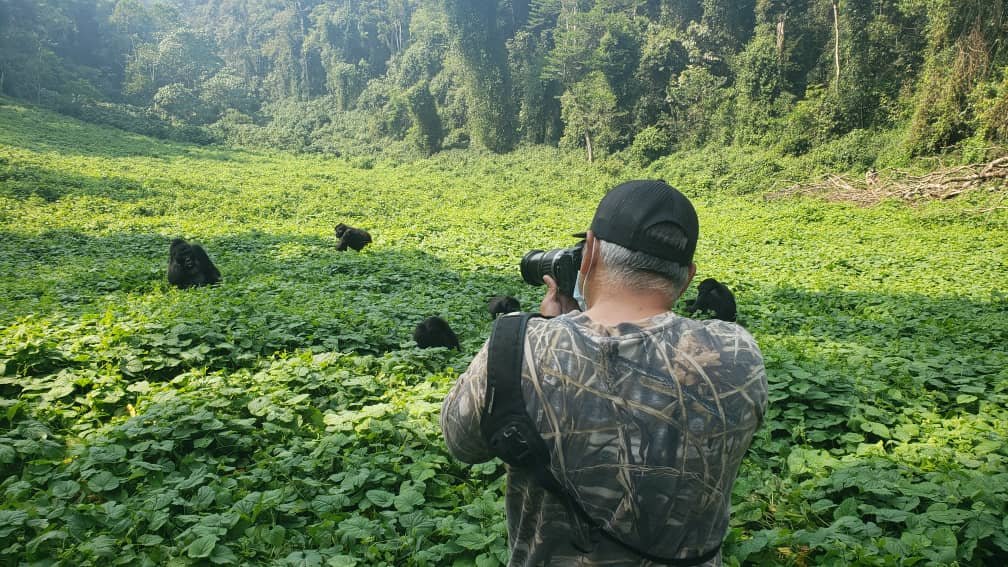
Wildlife photography comes with a responsibility to respect the animals and their environment.

Always keep a safe distance and avoid actions that could stress or disrupt the animal’s natural behavior. Remember, a great shot is never worth compromising the well-being of the wildlife you’re photographing.

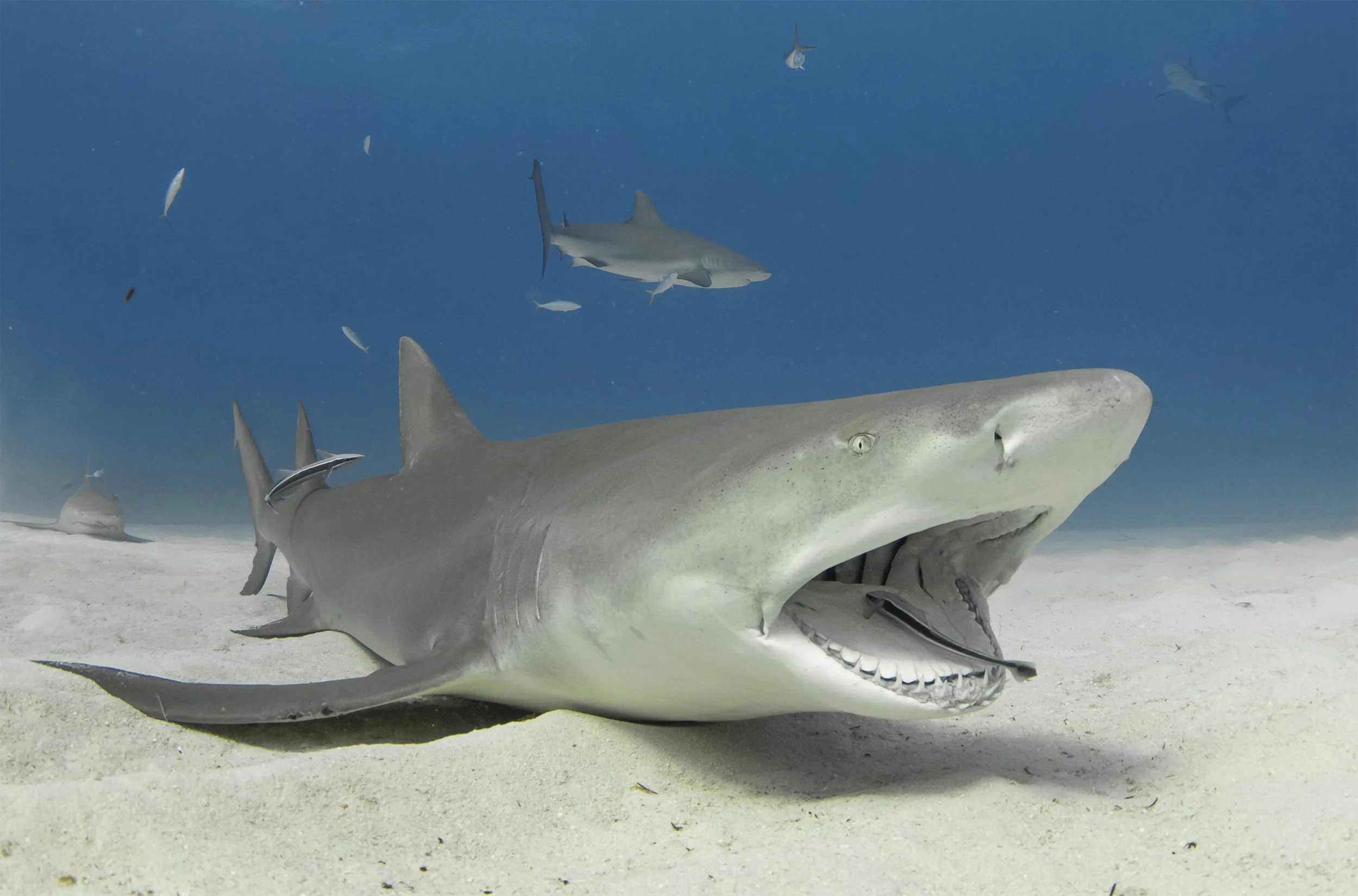
Lemon Shark getting its teeth cleaned by a young remora off Tiger Beach. 1/320, f9, ISO 400.

While portraits of animals are beautiful, my personal favorite images are behavior shots.

There’s something magical about capturing an animal in action—whether it’s a whale breaching, a bird feeding its chicks, or a predator stalking prey.

Behavior images tell a story and bring the animal’s world to life in a way that static portraits simply cannot.

Bobcat catching red winged blackbird, Rio Grande Valley, Texas. 1/1000, f7.1, ISO 5000

One of my most memorable shots was of a bobcat catching a bird while jumping through the air. The image was not perfect, however the long hours we put into trying to capture this wild moment is why this image will forever be one of my favorites.

Giant River Otters, Northern Pantanal, Brazil. 1/1600, f7.1, ISO 1000

Wildlife photography is a journey of patience, skill, passion, and a lot of luck!

Each image you capture is a window into the natural world. It is your chance to inspire, educate, and protect our beloved wildlife.

So grab your camera, step into the wild, and start telling stories.

New Year... New Adventures and Our Vision for 2025

Happy New Year!

Image by Becky Kegan

As we welcome 2025, we want to take a moment to reflect on the incredible journeys of 2024 and share our vision for the year ahead. Thank you for being part of this adventure with us—whether you joined us on a trip, followed our stories online, or supported our work from afar.

Your enthusiasm fuels everything we do.

Looking Back at 2024
Last year was filled with unforgettable moments. From swimming with orcas in Norway to capturing baitball action during the Sardine Run in Baja… we shared awe-inspiring experiences with amazing people.

Each trip reminded us of the beauty and fragility of the natural world and reinforced our commitment to conservation.

What’s Ahead for 2025
This year, we have new dreams…

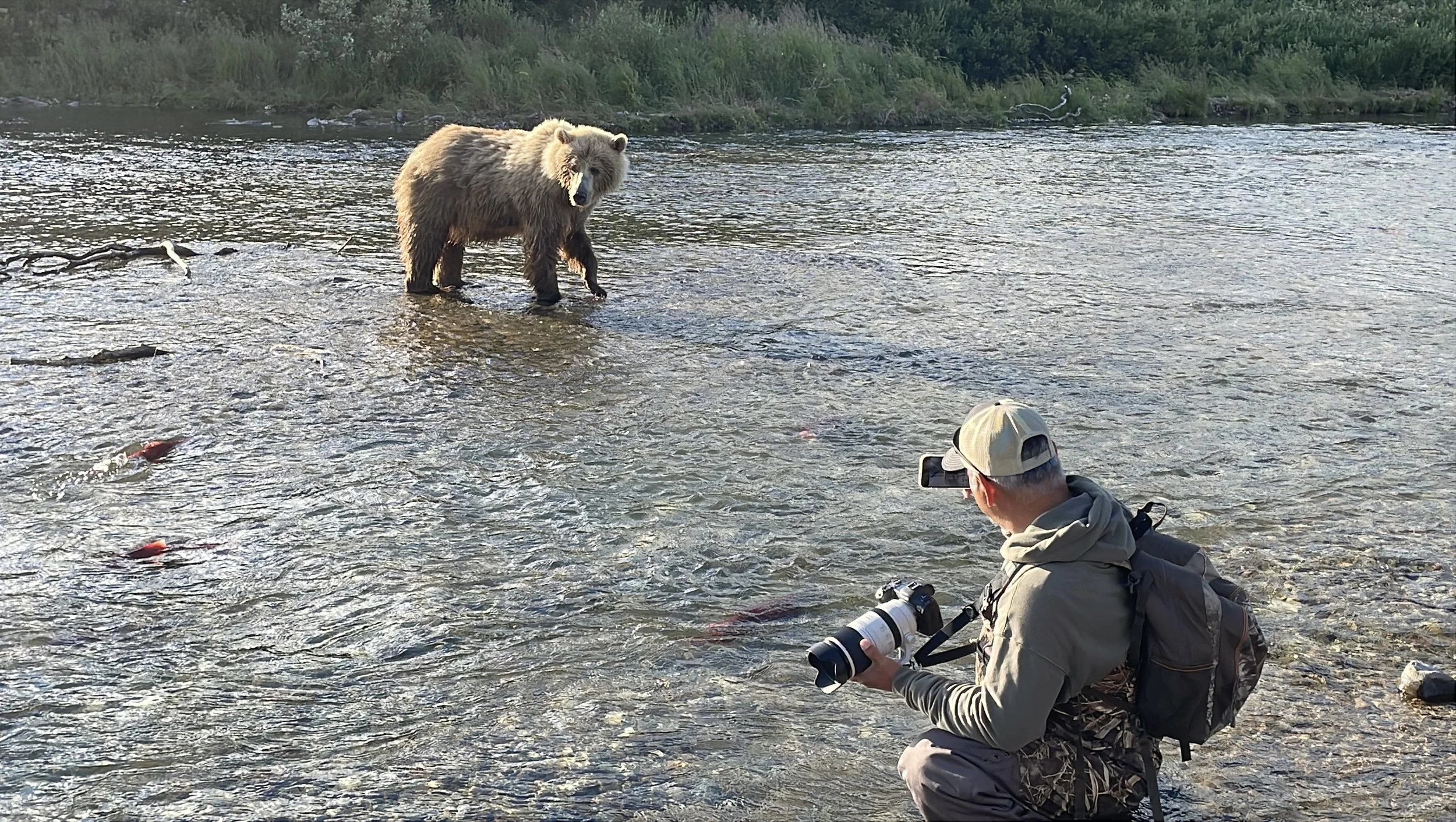
We’re introducing a new destination, Brown Bears in Katmai. We are also enhancing our Youtube Channel, and finding even more ways to connect you with the incredible wildlife and ecosystems that make our planet so special.

Whether it’s swimming alongside humpback whales in Tonga, exploring remote mangroves for elusive predators, or photographing iconic marine life, 2025 promises to be packed with adventure.

We’re also doubling down on our conservation efforts, using our platform to raise awareness for endangered species and vulnerable habitats.

By sharing these stories, we aim to inspire others to cherish and protect what is left of our wild places that we love so much.

Join Us on This Journey.

We can’t wait to kick off this season and share this year’s adventures with you.

If you’ve been dreaming of a bucket-list trip or have a destination in mind, now’s the perfect time to make it happen.

Check out our upcoming trips and let us help you plan your next wildlife holiday.

Thank you for being part of our community.

Your support means the world to us.

Wishing you all an extraordinary 2025 filled with love, light, and adventure!

Thank you and Farewell to 2024!

As we wrap up the 2024 season, I want to take a moment to express my deepest gratitude to each and every one of you.

Thank you for sharing this incredible journey with us, for trusting us with your wildlife holidays, and for joining us in exploring the wild and wondrous places this planet has to offer.

This year has been nothing short of magical. From the breathtaking landscapes we visited to the awe-inspiring wildlife we encountered, every moment has been a reminder of how precious and deserving of protection these wild places and animals are.

It has been our privilege to share their stories with you, to show you their beauty, and to shine a light on why they are worth fighting for.

Through these journeys, we have been dedicated to showing people this incredible world without fences, one story at a time…where nature knows no boundaries and its wonders can be truly experienced.

Our mission has always been to connect people with nature in a meaningful way—to foster an appreciation for these animals and inspire a sense of stewardship for the planet we all call home.

Thank you for being part of this journey, for watching our videos, reading our blogs, and commenting on our images. Your support means the world to us.

From all of us at SDM, thank you for being part of this incredible journey.

As this season comes to a close, I’m looking forward to spending some quality time at home with my family and friends.

It’s time to recharge, reflect, and enjoy the holiday season with loved ones.

Image by Graeme Purdy

To all of you, I send love and light this holiday season. May your days be filled with joy, warmth, and cherished moments with those you hold dear.

Thank you for being part of our adventure. I can’t wait to see what 2025 holds for all of us.

Wishing you all a happy holiday season and an incredible new year ahead!

Love and light,

SDM Crew.

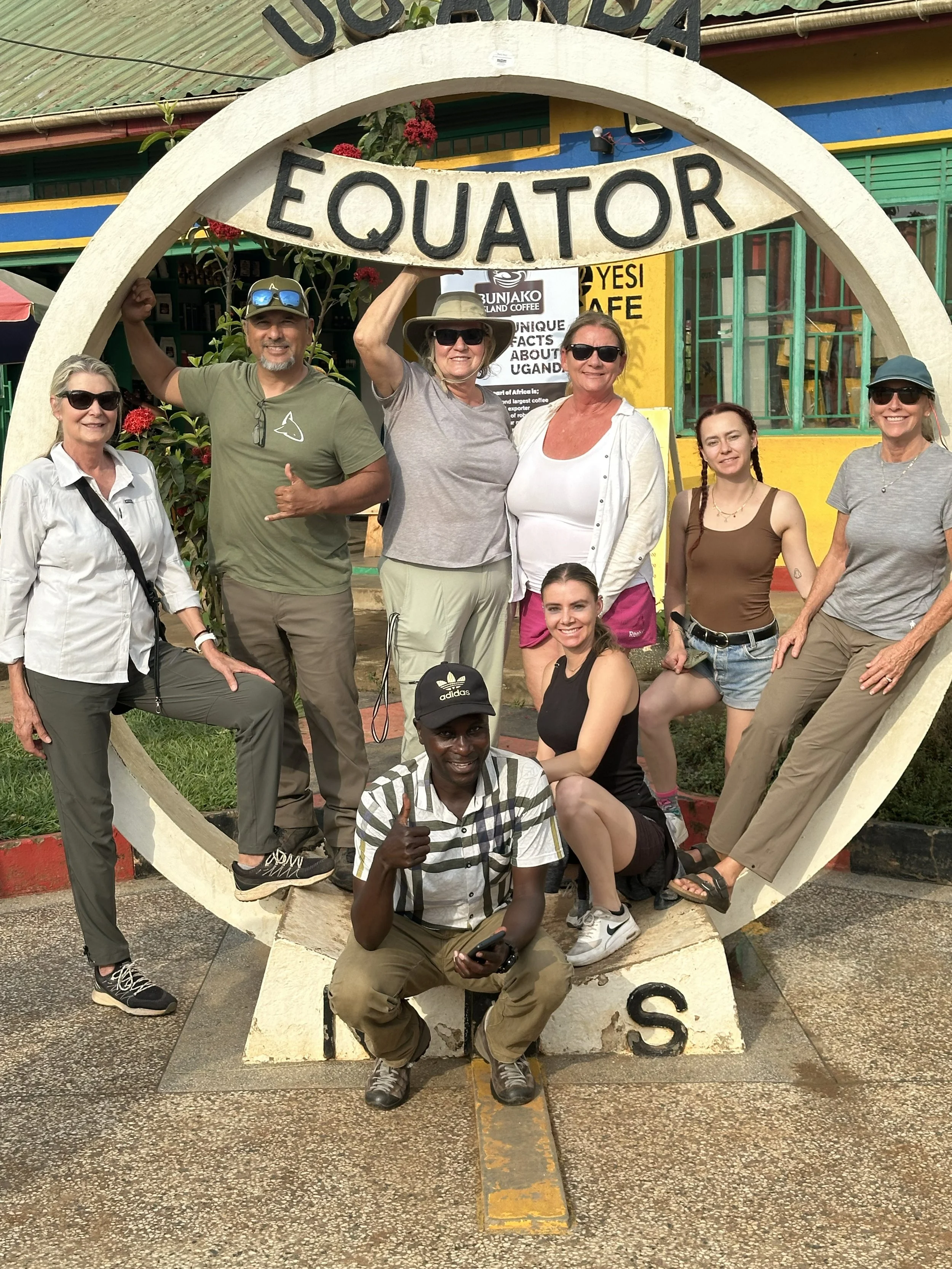
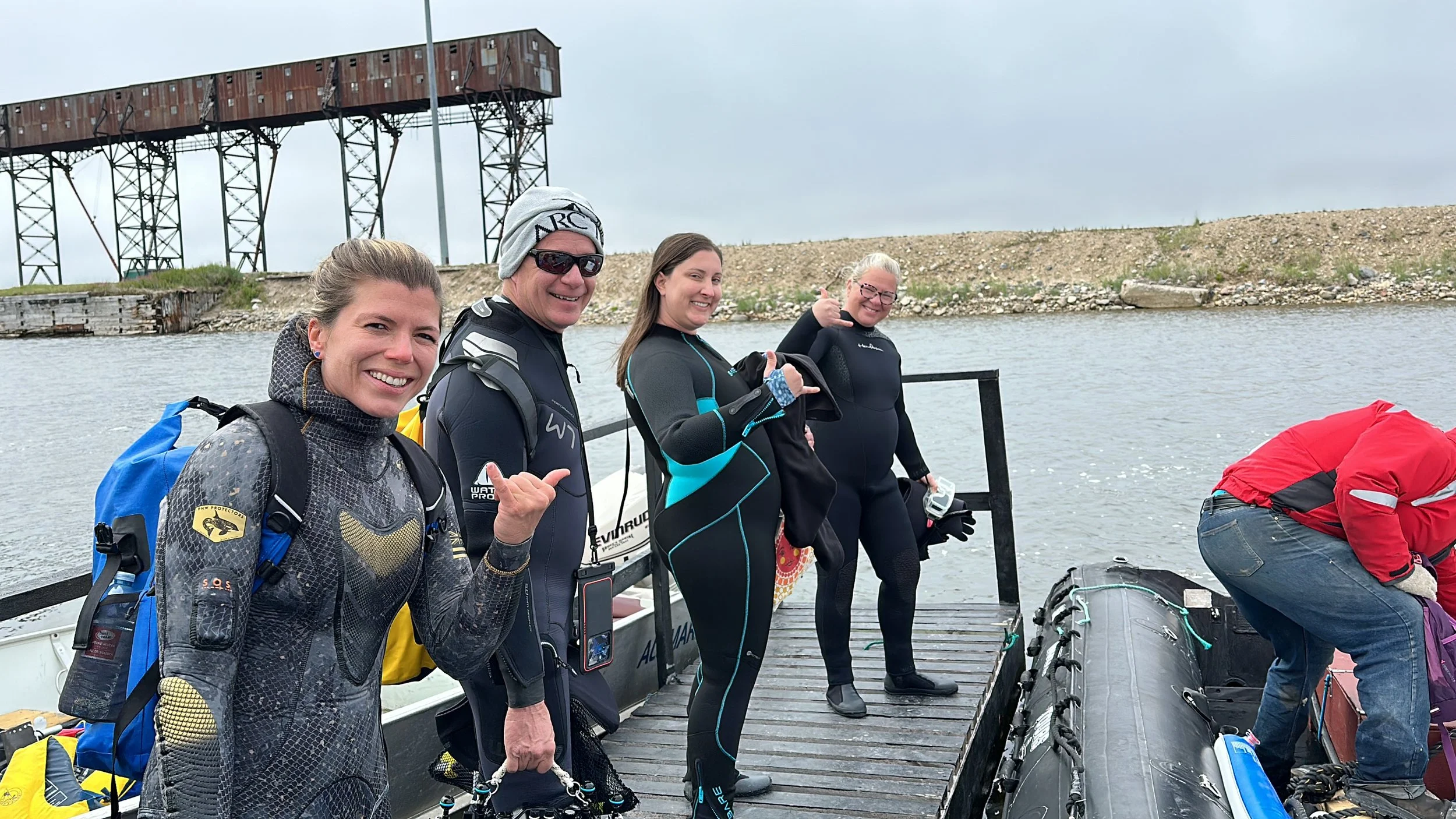
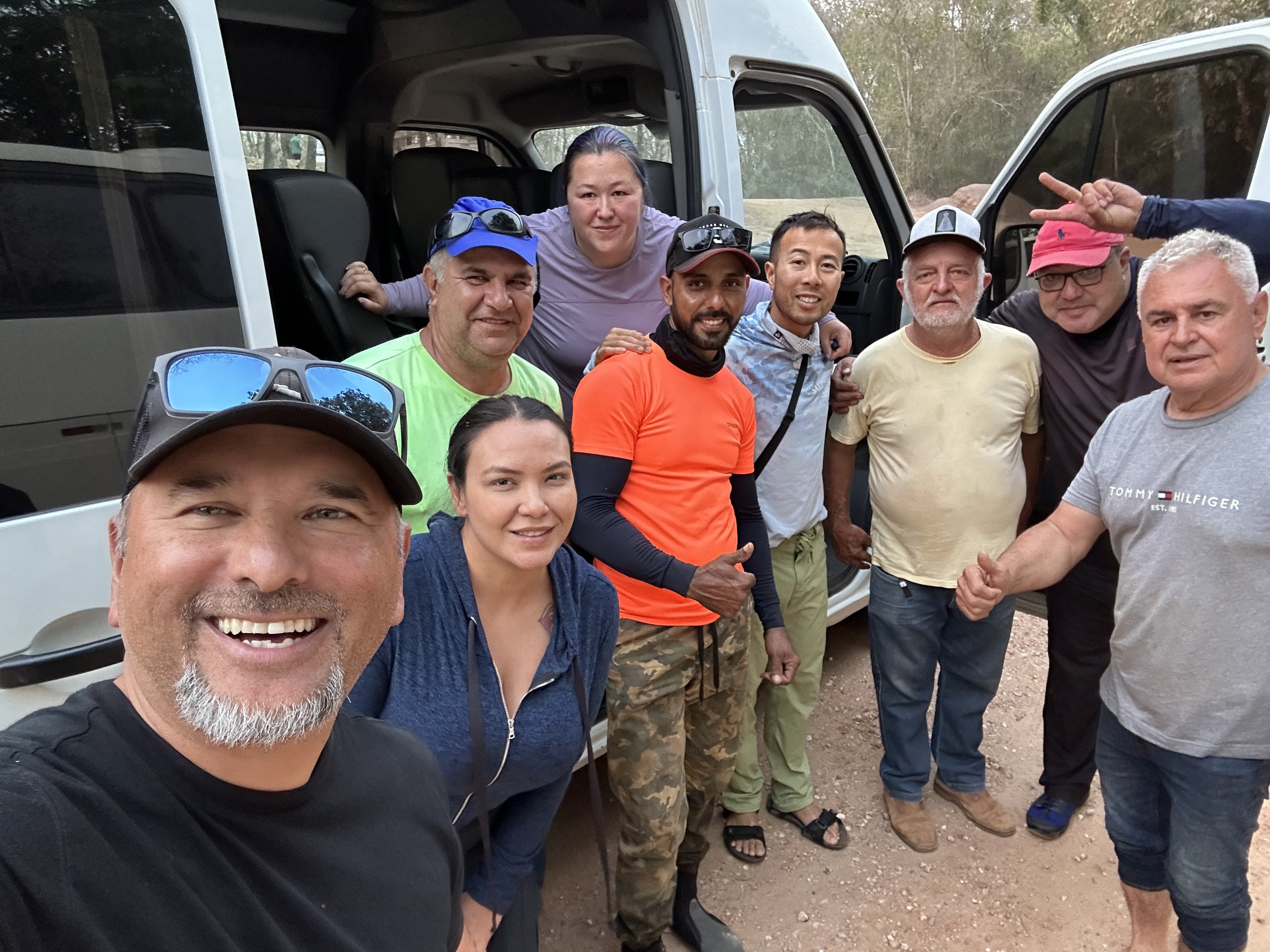
2024 GROUP PHOTOS: A huge thank you to everyone who joined us in 2024. Thank you for the amazing moments and memories we shared together. Love you guys!

SO WILD… The Final Adventures of the Year.

As I prepare to wrap up the 2024 season, I am on the boat, motoring out to Tiger Beach as I write this.

The familiar sight of the open ocean and the anticipation of seeing my old friends (the tigers), fills me with excitement and gratitude.

This year has been nothing short of extraordinary. From unforgettable wildlife encounters to the incredible people I’ve shared these adventures with… 2024 has been a season to remember.

I’m deeply grateful for the moments that made it so special—the wildlife, the people, and the experiences that stay with you long after the trips are over.

These final two trips are my chance to soak in every last bit of the magic this year has to offer.

I’m looking forward to sharing what we see out here with all of you—I love bringing a little piece of the wild back to everyone following along.

While I’m excited about the possibilities of a new year and all the adventures to come, right now, I’m focused on savoring these last moments of the season.

Here’s to making the most of 2024’s final days, and to saying goodbye to an unforgettable year.

Stay tuned for updates from the field, and thank you for being part of this journey!

Happy Thanksgiving (Or Just a Happy Family Day!)

I wanted to take a moment to reach out to all of you and wish you a Happy Thanksgiving, wherever you may be in the world. I know that not everyone celebrates this holiday—many countries don’t have a Thanksgiving tradition, and even here in the United States, there are ongoing discussions about its historical significance and the complexities tied to its origins.

I completely understand and respect those perspectives.

For me, however, Thanksgiving represents something simpler and more universal: an opportunity to gather with loved ones. It’s a day to pause, share time with family and friends, and appreciate the connections we have in our lives.

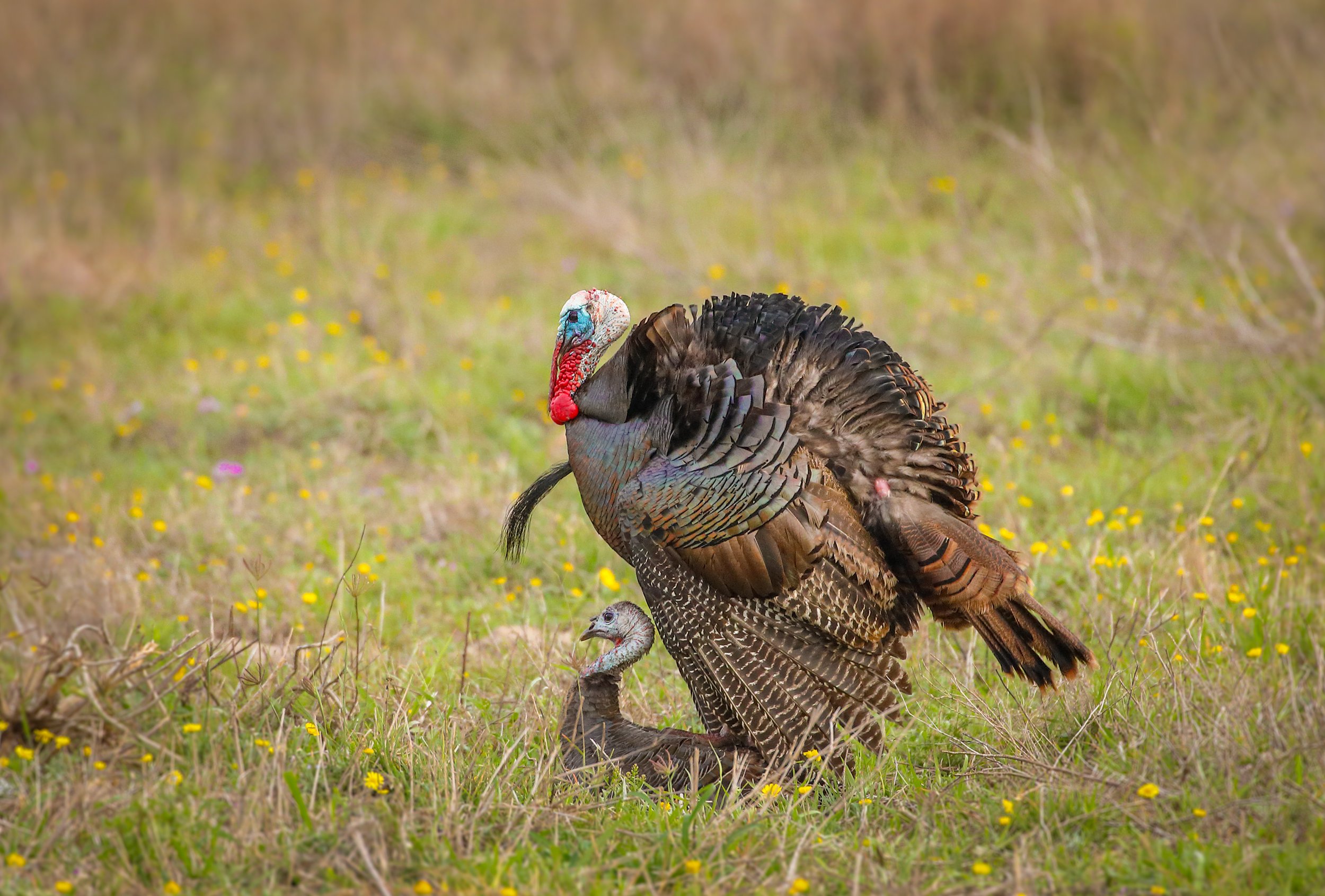
It also gives me a chance to share some of my favorite wild turkey images! I know not everyone appreciates these birds the way I do, but I think they are amazingly cool.

Their bold feathers, quirky personalities, and place in our ecosystems make them so much more than a holiday symbol.

So, whether or not you celebrate Thanksgiving, I want to take this moment to wish you a beautiful day filled with love, gratitude, and togetherness.

Wherever you are and whatever you’re doing, I hope your day is full of joy, connection, and peace.

Thank you for being part of this journey with us—it means more than you know.

Happy Thanksgiving, or simply, Happy Family Day!

A Fresh Start: Returning to My YouTube Channel

I started my YouTube channel back in 2011, inspired by a simple yet powerful idea: to share this incredible world without fences.

I wanted to bring people closer to the wild, to showcase the beauty and magic of this world that I love, and tell stories that matter.

But somewhere along the way, I got away from it all.

The truth is, I just wasn’t consistent with it. Recording video, editing footage, writing, crafting stories, and editing images—it’s a lot to take on, especially when you’re doing it all yourself.

It became overwhelming, and my focus shifted elsewhere.

Yet, despite stepping back—the love for sharing these wild places and incredible moments—never left me.

Now, I’m ready to return to the channel, to reconnect with what made me start this journey in the first place. Telling fun stories about the wildlife we encounter.

Of course my videos are not about perfection—it’s about sharing. Sharing raw, unfiltered moments, the challenges, the triumphs, and the beauty of the world I’m so lucky to explore.

I’ve realized that even if it’s not always polished, it’s worth it to share these stories. Because for every tiger sighting, every ibex photo, every encounter with a polar bear, there’s something deeper—a connection to nature that I hope inspires others to explore, protect, and cherish the wild.

I’m excited to get back into the rhythm of creating, even if it’s not always easy. Sharing these moments with you is what makes it worthwhile.

If you haven’t already, please subscribe to my channel, hit the notification bell, and join me on this journey.

Your support means everything. It helps grow this community of wildlife and adventure enthusiasts, and it fuels my motivation to keep going, even on the tough days.

A Heartfelt Thank You

For those who’ve been here since the beginning, like my buddy Steve Crawford, who is always encouraging me to share more stories… thank you! and to everyone who has been a part of this journey, thank you for sticking with me.

And for anyone just joining—welcome.

This is a new chapter, and I can’t wait to share it with all of you.

Let’s explore this world without fences, one story at a time.

The Double-Edged Sword of Ecotourism... Are We Loving Wildlife to Death?

Over the past decade, social media has transformed the way we connect with wildlife.

Stunning photos and videos of humpback whales breaching, polar bears roaming the tundra, or tigers stalking through the forest inspire millions to explore these wild places.

This surge in interest has fueled a massive growth in ecotourism, bringing much-needed attention and funding to local communities and conservation efforts.

But as more people flock to wildlife hotspots, it raises an important question:

Can we love an animal to death?

Grey Whale watching off Magdalena Bay, Mexico.

There’s no denying the power of witnessing wildlife up close.

These experiences foster deep connections and inspire a sense of responsibility for protecting our planet’s most vulnerable species.

Ecotourism provides vital economic support for local communities, often funding anti-poaching initiatives, habitat restoration, and education programs.

In my opinion, ecotourism is the key to the survival of many species.

The sad reality is that governments often don’t care about wildlife unless there’s money involved. They collect revenue either from ecotourism operators or from industries like fishing or hunting—and they don’t care which one it is… as long as the money flows their way.

This means that when wildlife has economic value tied to tourism, it’s more likely to be protected.

Ecotourism not only funds conservation efforts but also creates incentives for governments and communities to prioritize wildlife over exploitation.

Yet, there’s a darker side.

Increased human presence can disrupt natural behaviors. Animals may become stressed, altering their feeding, migration, or mating patterns. Some even become habituated to humans, which can put them at risk of harm or conflict.

The truth is, most animals don’t want us there.

Whether it’s a whale avoid boats, a fox fleeing at the sight of humans, or a bird scared off its nest, these are clear signs that our presence isn’t always welcome.

And I’m the first to admit, I’ve been guilty of this. I’ve wanted to see an animal and capture their beauty through a lens, even when they’ve shown signs of wanting to be left alone.

What I’ve learned over time, however, is that the true magic of wildlife encounters happens when an animal chooses to be in our presence… or tolerates it.

Grey whale asking for a face rub.

Through patience and respect, these moments are far more rewarding and meaningful. Watching an orca glide alongside our boat without fear or seeing a bear go about its life undisturbed—that’s when you truly feel a connection to the wild.

Despite the challenges, I firmly believe ecotourism is the only way to save wildlife.

It gives animals an economic value tied to their survival, creating incentives for protection rather than exploitation.

With respect and care, we can still visit our favorite wild places and create positive experiences for both people and wildlife.

As travelers, we hold the power to ensure that our adventures leave a positive impact:

  • Choose responsible operators who prioritize animal welfare and conservation.

  • Be respectful with wildlife, avoiding behaviors that may stress or scare them.

  • Use social media thoughtfully, avoid tagging/sharing fragile locations to prevent overcrowding.

By treading lightly and embracing responsible tourism, we can preserve the species we love while fostering deep connections that inspire conservation.

Ecotourism has the potential to be a powerful force for good… but only if it’s done right.

With patience, respect, and a focus on responsible travel, we can continue to explore the wild places we love while ensuring wildlife thrives for generations to come.

Thank you for reading.